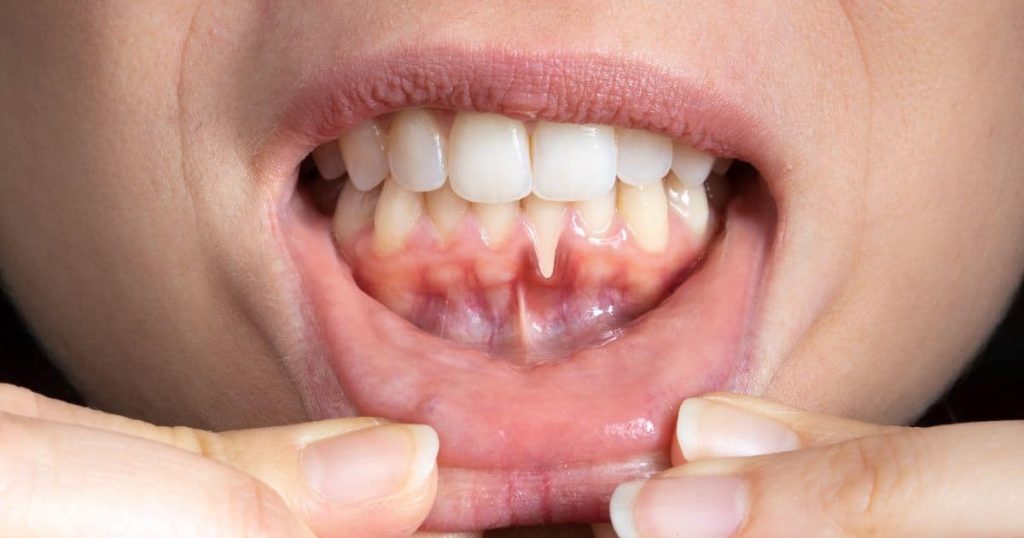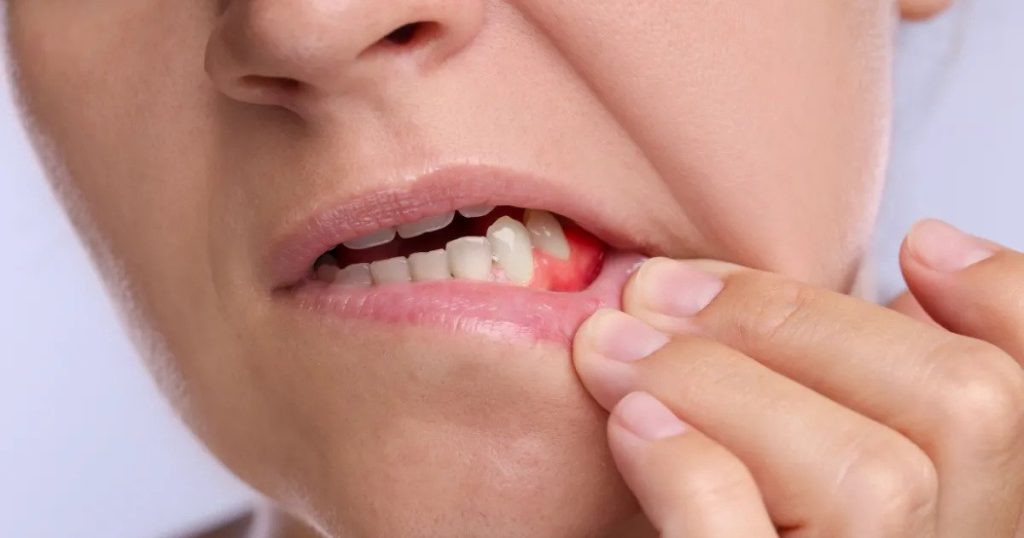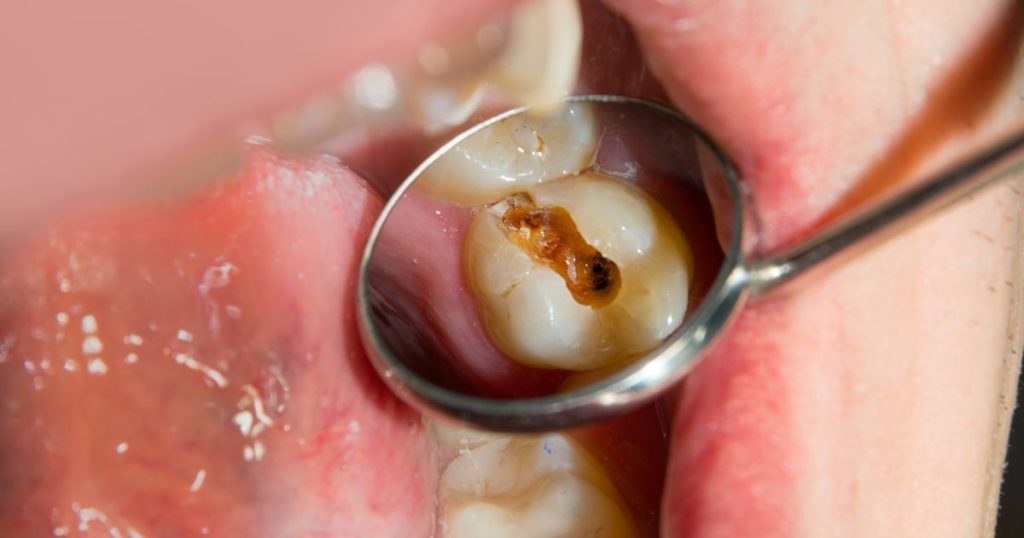

Tooth decay is one of the most common dental problems, and one that can often be prevented. It happens when bacteria in the mouth damage the tooth over time. If left untreated, tooth decay can cause pain and infection, and can eventually lead to tooth loss. Knowing how tooth decay develops and recognizing it early can help you avoid more serious dental problems.
At Pape Dental Centre in Toronto, Dr. Sasan Shahrbandi, DDS, a member of the Ontario Dental Association (ODA) and the Canadian Dental Association (CDA), has over 20 years of experience in restorative and cosmetic dentistry and provides comprehensive oral examinations to help patients prevent and treat tooth decay. In this guide, we’ll explain what causes tooth decay, the early signs to watch for, how we diagnose it, and the most effective ways to prevent and treat it.
What is Tooth Decay?
Tooth decay (clinically referred to as dental caries) is the gradual damage that happens to a tooth when acids produced by bacteria in your mouth start breaking down its hard outer layer (the enamel). Over time, this process can create a hole in the tooth, known as a cavity. If it continues untreated, the damage can reach deeper layers and eventually affect the nerve inside the tooth.
Note: Tooth decay develops slowly in most cases, which is why catching it early makes such a big difference.
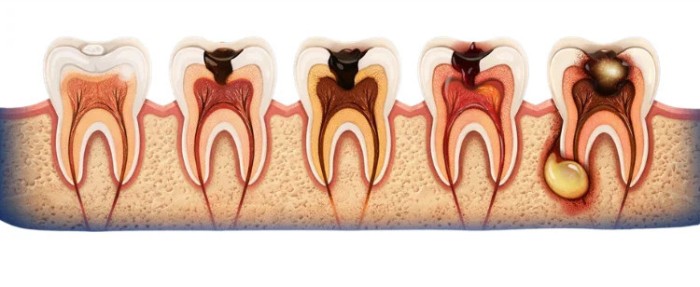
Stages of Tooth Decay
Tooth decay usually progresses through clear stages:
- Initial Demineralization: Early on, acids begin to pull minerals out of the enamel. You might notice chalky white spots on the tooth surface.
- Enamel Decay: The enamel continues to weaken and starts to break down. A small cavity may form. You might feel mild sensitivity, especially to sweet, hot, or cold foods and drinks.
- Dentin Decay: The decay moves past the enamel into the softer layer underneath called dentin. Sensitivity often increases, and the cavity becomes more noticeable. Patients usually need treatment at this point to stop further damage.
- Pulp Damage: Bacteria reach the soft inner part of the tooth that contains the nerves and blood vessels (the pulp). This often causes persistent toothache or sharp pain.
- Abscess Formation: If the infection spreads beyond the tooth, a pocket of pus (an abscess) can form at the root. This can cause swelling and severe pain. It can even affect the surrounding bone, therefore it needs professional care (Learn more about signs and treatments of tooth abscess)
Understanding these stages helps you recognize how important preventive dentistry is; the earlier we catch tooth decay, the simpler and more comfortable the treatment usually is.
Read more: Reversible and Irreversible Pulpitis Treatment: A Dentist’s Guide
Signs and Symptoms of Tooth Decay
Tooth decay doesn’t always cause pain right away. Here are the most common signs to watch for:
- Tooth sensitivity to hot, cold, or sweet foods and drinks. A sharp or lingering twinge when eating or drinking something hot, cold, or sugary is often one of the earliest signs that enamel is weakening.
- Spontaneous or persistent toothache. A dull ache that comes and goes, or a sharp pain without a clear trigger, can mean decay has reached deeper layers of the tooth.
- Visible pits, holes, or craters. Small holes or rough spots on the tooth surface appear as the enamel breaks down and a cavity forms.
- White, brown, or black staining on the enamel. Chalky white spots often signal early mineral loss (demineralization). These areas may later turn brown or black as decay progresses.
- Pain when biting down. Discomfort or sharp pain while chewing can indicate that the decay has affected the deeper structure of the tooth.
- Bad breath or an unpleasant taste. Persistent bad breath or a bad taste that doesn’t improve with brushing may be linked to bacteria active in a cavity.
If you notice any of these symptoms, contact your dentist. At our Toronto dental office, we also try to keep same-day slots free to help patients with their dental emergencies.
Read more: How to Get Rid of White Spots on Teeth?

How Dentists Diagnose Cavities
Here’s how dentists check for cavities during a dental exam:
Visual and Tactile Exam
We start by carefully examining each tooth and using a small dental instrument called an explorer to check the tooth surfaces. Soft spots, rough areas, or small openings in the enamel can be early signs of decay that may not be easy to see.
Dental X-rays (bitewing radiographs)
Cavities can develop between the teeth or just below the gum line, where they’re difficult to see during a regular exam. Bitewing X-rays allow us to check these areas and find decay that may not yet be visible or causing symptoms. At Pape Dental Centre in Toronto, We use very low levels of radiation and provide clear images that help us assess your teeth more closely.

Think You Might Have a Cavity?
If you notice any of the beforementioned signs, you’d better get it assesed sooner.
Don’t wait for a small cavity to become a bigger problem.
Book your dental exam today.
Treating Tooth Decay: Options and Procedures
When tooth decay is detected, the right treatment depends on how deep the damage has gone. Always the first step is stopping the decay. Then we restore the tooth’s strength and protect it from further problems. Below are the main options we use.
1. Dental Filling
For small to moderate cavities, a dental filling is usually the best solution. After removing the decayed part of the tooth, we fill the space with a durable material to restore its shape and function. The three most common options are:
- Composite Resin Fillings: These are tooth-coloured fillings that bond directly to the enamel. Because they match the natural shade of your teeth, they are ideal for visible areas. They are also mercury-free and require less removal of healthy tooth structure compared to older materials.
- Amalgam Fillings: These silver-coloured fillings are made from a metal alloy. They are highly durable and cost-effective, which is why they have traditionally been used for back molars that take a lot of chewing pressure. However, their use has been declining in Canada in favour of more aesthetic options.
- Gold Fillings (Inlays/Onlays): Gold restorations are custom-made in a laboratory and then cemented into place. They are known for their exceptional strength and longevity, often lasting 15 years or more. Lab-fabricated porcelain or gold inlays and onlays fall into this category and are considered a premium solution for larger areas of decay.
At Pape Dental Centre, we most commonly place tooth-coloured composite restorations because of their superior aesthetics and strong bond to the natural tooth.
2. Dental Crowns
When a cavity is large and a significant portion of the tooth has been lost, a filling alone may not provide enough strength. In these cases, we place a dental crown that covers and protects the entire tooth, which restores both function and appearance.
3. Root Canal Treatment
If decay reaches the pulp (the soft tissue inside the tooth that contains nerves and blood vessels), the tooth becomes painful and infected. Root canal treatment removes the damaged pulp and cleans the inside of the tooth. We finally seal the tooth so it can be saved rather than extracted.
Main Causes of Tooth Decay
Knowing what causes tooth decay makes it much easier to prevent. While several factors play a role, three stand out as the most common:
1. Poor Oral Hygiene
When you don’t brush and floss regularly, a sticky film of bacteria called plaque builds up on your teeth. This plaque produces acids that slowly attack the enamel (the hard outer layer that protects your teeth). Over time, the enamel weakens and cavities can form.
2. Diet and Sugar Consumption
Sugary and starchy foods and drinks are a major driver of tooth decay. Bacteria in your mouth, especially Streptococcus mutans, feed on these sugars and produce acid. The acid lowers the pH in your mouth and begins dissolving minerals from the enamel (a process called demineralization).
According to Health Canada, frequent exposure to sugars increases the risk of this acid attack and speeds up enamel breakdown. Acidic drinks like soda and citrus juices can also wear down enamel directly, making teeth more vulnerable.
Learn more: Tooth Enamel Erosion: Causes, Symptoms, and Treatment

3. Plaque Buildup and Acid Attacks
Plaque that isn’t removed becomes a constant source of acid. Each time you eat or drink something sugary, the bacteria in plaque produce acid that softens the enamel. If this cycle repeats often without enough time for the enamel to recover, the damage becomes permanent and a cavity develops.
How to Prevent Tooth Decay
Tooth decay can often be prevented with good daily oral care and regular dental visits. A few habits make a real difference in keeping your teeth and enamel strong.
Daily Oral Care Tips
A few simple daily actions can significantly help in protecting your teeth:
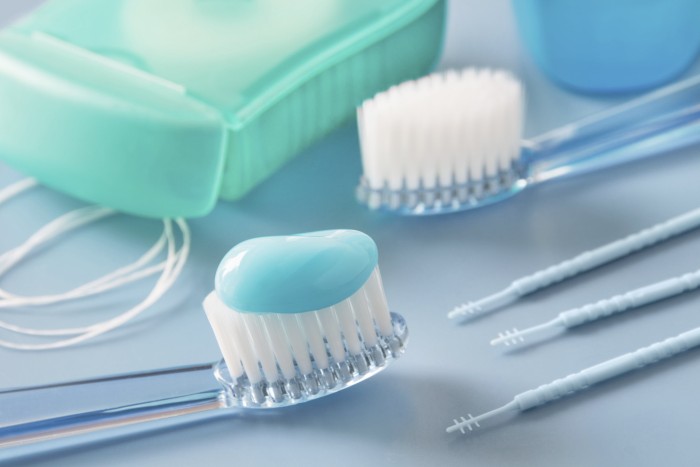
- Brush your teeth at least twice a day with fluoride toothpaste
- Floss once a day to clean between your teeth (check: How to Floss Properly)
- After brushing, spit out the toothpaste rather than rinsing your mouth thoroughly with water
- Limit sugary and acidic foods and drinks between meals
- Drink water throughout the day, especially after eating
About tooth brushing: Common Tooth Brushing Mistakes: 10 Frequent Errors and How to Avoid Them
The Role of Fluoride in Preventing Decay
Fluoride helps strengthen weakened enamel and makes teeth more resistant to acid. It also supports remineralization, a natural process that replaces minerals lost from the enamel.
The Canadian Dental Association recognizes fluoride as safe and effective for preventing dental caries. Using fluoride toothpaste every day, and getting professional fluoride treatments when recommended, can help lower your risk of cavities. In communities with fluoridated drinking water, tap water can provide another source of fluoride.
Read more: Should You Get a Fluoride Treatment? Benefits and Risks
How Saliva Protects Your Teeth Against Decay
More than keeping your mouth moist, saliva helps wash away food particles and bacteria and neutralizes acids that can weaken your enamel. The calcium and phosphate in saliva also help replace minerals lost from the tooth surface.
When saliva production drops, as it does with dry mouth (xerostomia), your teeth lose some of this natural protection and become more prone to decay. Drinking enough water and chewing sugar-free gum, especially gum containing xylitol, can help stimulate saliva flow.
Learn more about: Dry Mouth in Toronto
Regular Dental Check-Ups
Regular dental visits give your dentist a chance to spot early signs of decay and monitor areas that may be more vulnerable to cavities. During these visits, your dentist may also recommend dental sealants, which are thin protective coatings placed on the chewing surfaces of back teeth. Sealants can cover deep grooves where plaque and food particles tend to collect, making these areas easier to protect.
Pro Tip: For many patients, a check-up and cleaning every six months is a good routine, although your dentist may recommend a different schedule based on your oral health.
Warning note: If it’s been a while since your last dental visit or you’ve noticed tooth sensitivity or other changes, it’s worth having your teeth checked.
Cavity Risks at Every Age
Tooth decay can affect anyone, but the risks and causes often change depending on your age. Here’s what to watch for at different stages of life:
Baby Bottle Tooth Decay (Early Childhood Caries)
When babies and toddlers frequently fall asleep with a bottle of milk, formula, or juice, the sugars stay on their teeth for long periods. This creates the perfect environment for bacteria to produce acid and damage the enamel. This condition is formally known as early childhood caries.
Primary teeth (baby teeth) are important; they help with chewing, speech development, and hold space for the permanent teeth that come later. To help prevent early childhood caries:
- Avoid putting juice or sweetened liquids in bottles
- Wipe your baby’s gums with a clean, damp cloth even before the first tooth appears
- Schedule the first dental visit by age one with a dental hygienist for children
Dental sealants also play a valuable role as children grow. These are thin resin coatings applied to the chewing surfaces of the back molars. They are most effective when placed shortly after the permanent molars erupt (around ages 6 and 12). Research (CDC reports) shows sealants can reduce the risk of cavities in these teeth by up to 80% in the first two years.

Teens’ Specific Risks
Teenagers face a few extra challenges. Orthodontic appliances such as braces can trap food and plaque, making thorough cleaning harder (learn more about our orthodontic and Invisalign options). Frequent consumption of sports drinks and energy drinks, which are often high in sugar and acid, also increases the risk. On top of that, busy school schedules sometimes lead to inconsistent brushing and flossing habits.
Seniors’ Specific Cavity Risks
As we age, gums can recede and expose the root surfaces of the teeth. These roots are covered by cementum, which is softer than enamel and more vulnerable to decay. Many common medications (such as those for blood pressure, allergies, or depression) can reduce saliva flow and cause dry mouth, further raising the risk. Reduced hand dexterity can also make brushing and flossing more difficult, which allows plaque to build up more easily.
Regular family dentistry can make dental care easier for seniors. At Pape Dental Centre, routine visits help catch problems early and address them before they become more difficult to treat.
Protect Your Teeth from Tooth Decay at Pape Dental Centre
You don’t have to wait for tooth decay to cause pain before getting it checked. At Pape Dental Centre, we help patients across Toronto catch decay early and restore damaged teeth.
Our dentists, including Dr. Sasan Shahrbandi and Dr. Jane Halkiotis, use digital X-rays and modern techniques to diagnose and treat decay at every stage. Depending on the condition of your tooth, treatment may include fluoride, fillings, root canals, or crowns. We always aim to preserve your natural teeth whenever possible and explain your treatment options clearly.
Serving families on the Danforth for over 30 years, we welcome new patients, accept the Canadian Dental Care Plan (CDCP), and offer direct billing to most major insurance providers. If you’ve noticed tooth sensitivity, or it’s been a while since your last check-up, contact us at (416) 465-3111 or (647) 250-9685, or visit us at 759 Pape Ave, Toronto, ON M4K 3T2.
FAQ
1. Can tooth decay be reversed?
Yes, in the earliest stage before a cavity forms. Better hygiene, less sugar, and fluoride can help remineralize enamel. Once a cavity forms, it needs a filling.
2. How can I tell if I have tooth decay?
Look for sensitivity to hot, cold or sweet foods, toothache, visible holes or dark spots, and pain when biting. Early decay often has no symptoms.
3. What foods cause tooth decay the most?
Sugary foods and drinks, especially when consumed frequently, and acidic beverages like soda are the main causes.
4. Are dental sealants effective for adults?
Yes. Adults with deep grooves in their back teeth can also benefit from sealants to help prevent cavities.
5. How long do fillings and crowns last?
With proper care, fillings usually last 5–15 years and crowns 10–15 years or longer. Regular check-ups and other effective tips for long-lasting dental crowns help extend their life.
Have a question about tooth decay, prevention tips, or treatment options? Or maybe you’ve dealt with a cavity before and want to share what helped you? Drop a comment below. We read every one and are happy to help.