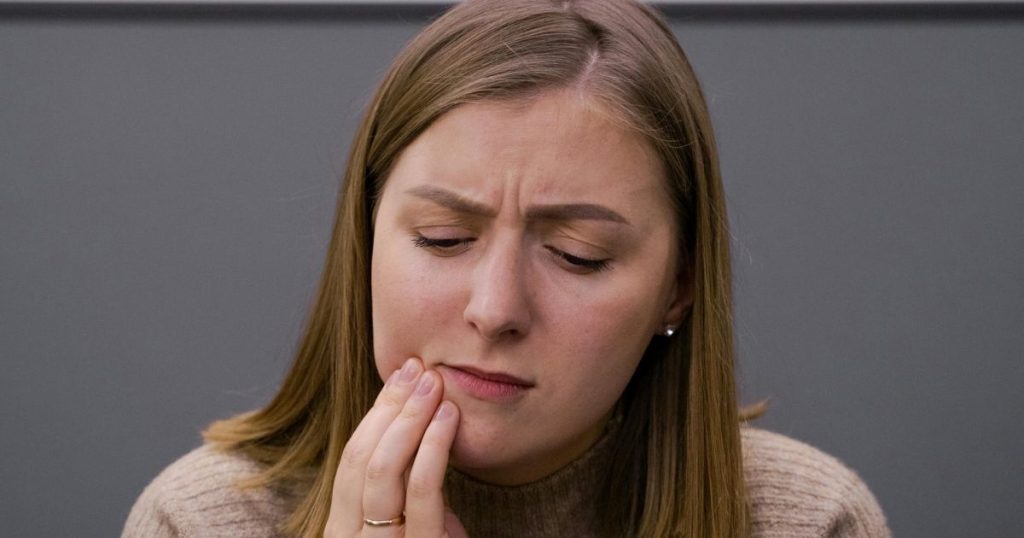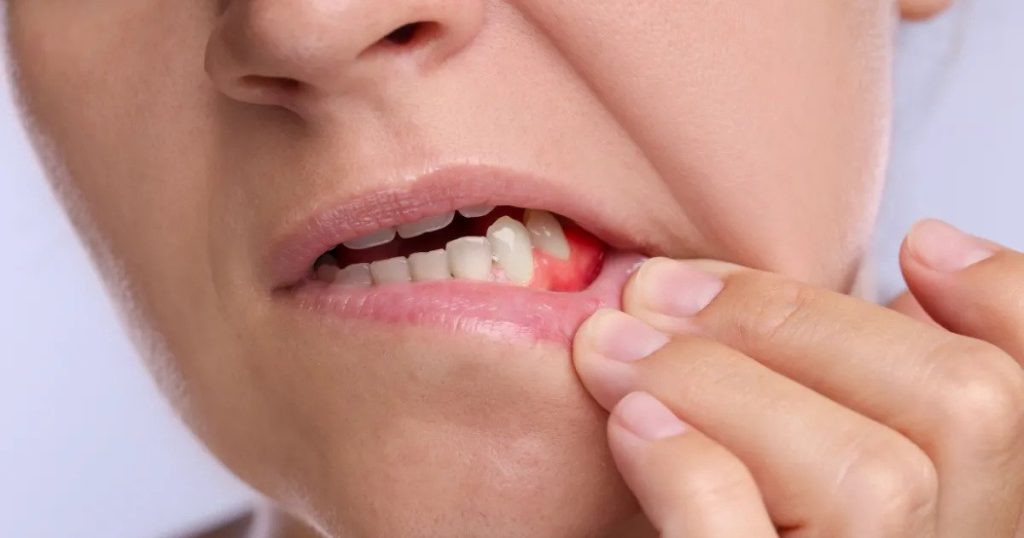

Have you noticed your teeth appearing longer or felt sudden sensitivity to cold or hot foods? These are classic early signs of gum recession, a common issue that affects many adults and deserves quick attention.
While gum recession can impact the appearance of your teeth, cause tooth sensitivity, and increase the risk of root decay or even tooth loss if left untreated, effective solutions are available. In this guide, we cover the causes, prevention, and both non-surgical and surgical treatments for receding gum.
At Pape Dental Centre in Toronto, Dr. Sasan Shahrbandi helps patients effectively manage and treat this condition to protect their oral health and restore their teeth appearance.
What Is Gum Recession?
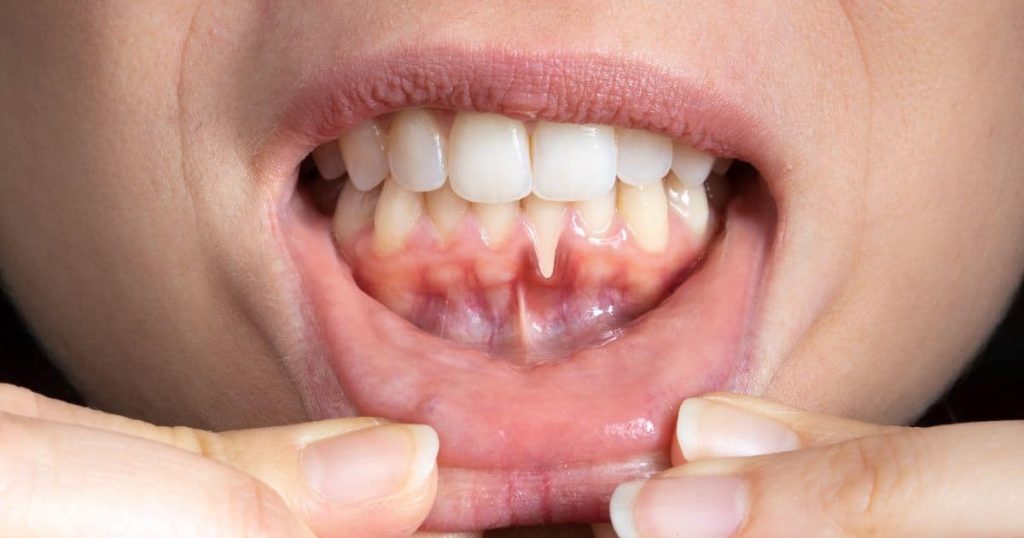
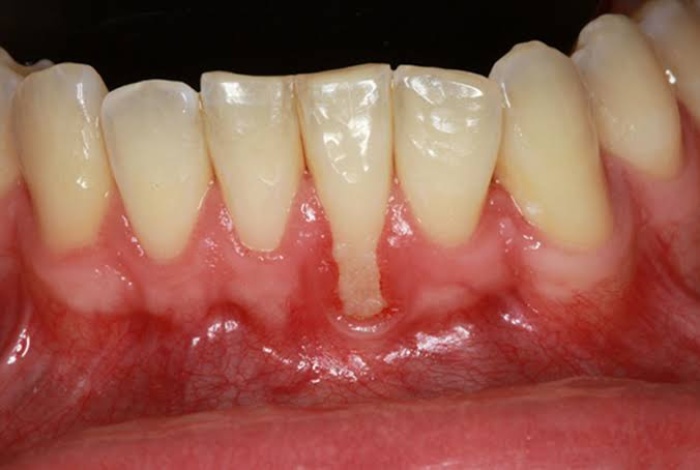
Gum recession, also known as gingival recession, occurs when the gum tissue pulls back from the tooth, exposing the root surface. This makes the tooth appear longer and leaves the delicate root unprotected.
It is a common dental condition that can affect one or multiple teeth and is often an early sign of underlying issues such as periodontal disease or mechanical trauma. Early recognition of receding gum is key to preventing further progression.
Causes of Gum Recession
Several factors can contribute to gum recession. Understanding the cause is the first step toward effective treatment and prevention. The most common causes include:
- Periodontal disease (gum disease/ gingivitis): The leading cause. Bacterial plaque and tartar buildup cause inflammation that destroys gum tissue and supporting bone.
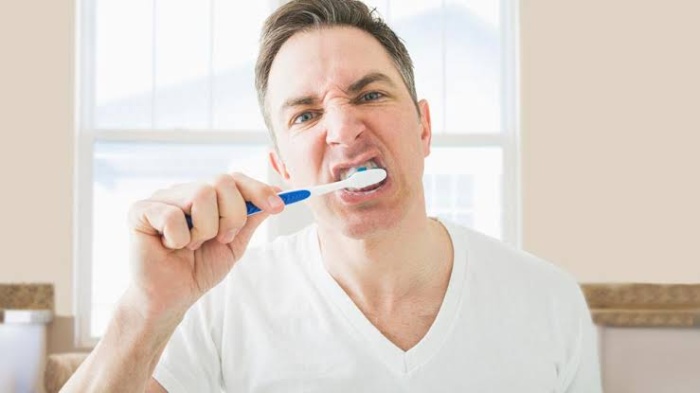
- Aggressive brushing: Brushing too hard or with a hard-bristled toothbrush wears away delicate gum tissue over time.
- Thin gingival biotype: Some people are born with naturally thin gum tissue that is more prone to recession.
- Bruxism (teeth grinding or clenching): Excessive force from grinding puts pressure on gums and can accelerate recession.
- Genetics and tooth position: Misaligned teeth or naturally thin bone covering the roots increase susceptibility.
- Other factors: Smoking, oral piercings, trauma, and previous orthodontic treatment can also play a role.
Identifying the specific cause in your case allows us to create a targeted treatment plan for you.
Related post: Can You Remove Tartar At Home?
Symptoms, Diagnosis and When to See a Dentist
Recognizing the early signs of gum recession is crucial because the condition often progresses silently. Catching it early can help prevent further tissue loss and more invasive treatments later.
Here are the most common signs:
- Teeth that appear longer than normal
- Increased sensitivity to hot, cold, or sweet foods and drinks
- Visible exposed tooth roots (roots look darker or yellowish)
- Notching or grooves along the gumline
- Gum inflammation, redness, or bleeding, especially around specific teeth
Note: You should schedule an appointment if you notice any of the above signs, especially if they are progressing or accompanied by pain. Early intervention can often prevent the need for surgery.
Read more: Best Toothpaste for Sensitive Teeth After Whitening
How Diagnosis Is Done
During your visit, Dr. Shahrbandi or our team will perform a thorough periodontal examination. This includes measuring the depth of gum pockets, assessing how much the gums have receded, checking for inflammation, and evaluating tooth mobility. Dental X-rays may also be taken to assess bone levels. This comprehensive evaluation helps determine the severity and best treatment approach.
Non-Surgical Treatments
Many cases of gum recession can be effectively managed without surgery, especially when detected early. The goal is to stop progression and sensitivity. We also aim to treat any underlying infection. Here are the main non-surgical options we often recommend:
- Scaling and Root Planing (Deep Cleaning): Removes plaque and tartar from below the gumline and smooths the root surface to help gums reattach and heal.
- Desensitizing agents and fluoride treatments: Special toothpastes, varnishes, or bonding agents that reduce tooth sensitivity caused by exposed roots.
- Antimicrobial mouth rinses or topical antibiotics: Help control bacterial infection and inflammation, particularly when gum disease is present.
- Improved oral hygiene guidance: Personalized instructions on careful brushing and flossing techniques to prevent further recession.
For mild to moderate cases, these conservative approaches combined with regular maintenance can often stabilize the condition successfully.
Read more: How Much Does Teeth Cleaning Cost?
Surgical Treatments (Gum Recession Surgery)
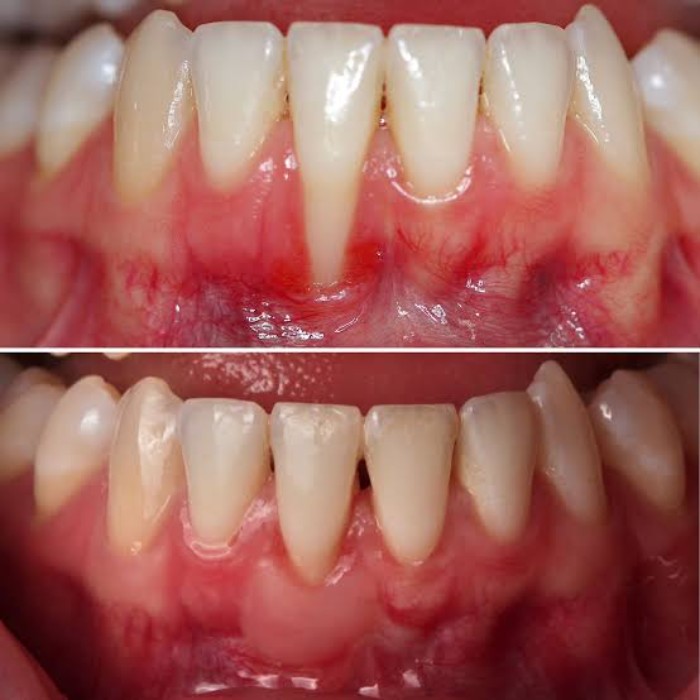
When gum recession is more advanced or causes significant sensitivity and aesthetic concerns, surgical intervention often provides the most predictable and long-lasting results. The most common and effective surgical approach is gum graft surgery (also called root coverage procedures).
Here are the main surgical techniques:
- Connective Tissue Graft (CTG): The gold standard. Tissue is taken from under the palate and placed over the exposed root.
- Coronally Advanced Flap (CAF): The gum is gently moved upward to cover the root, often combined with a graft.
- Tunnel Technique: A minimally invasive method where a small tunnel is created to place graft material.
- Pinhole Surgical Technique: A scar-free, suture-free option that uses a tiny pinhole to reposition the gum tissue.
Now, let’s compare the surgical treatment options in the table below:
| Technique | Invasiveness | Recovery Time | Typical Root Coverage | Best For |
| Connective Tissue Graft (CTG) | Moderate | 1–2 weeks | High (80–95%)* | Moderate to severe recession, long-term stability |
| Coronally Advanced Flap (CAF) | Low to Moderate | 1 week | Good (especially with CTG)* | Single or multiple teeth |
| Tunnel Technique | Low | 5–7 days | Good | Multiple adjacent teeth |
| Pinhole Surgical Technique | Very Low | 1–3 days | Good | Patients wanting minimal downtime |
*Research Insight: Clinical studies (PMC1, PMC2) show that Connective Tissue Graft (CTG) combined with coronally advanced flap achieves the highest predictability, with mean root coverage often ranging from 85% to 95% in suitable cases. Other techniques like the pinhole surgical technique also show good results, though success depends on factors such as the severity of recession, tissue thickness, and patient compliance.
Protect Your Gums Before Recession Gets Worse
Receding gum can progress silently and may lead to increased sensitivity and damage if left untreated. At Pape Dental Centre, Dr. Sasan Shahrbandi provides a detailed periodontal assessment to identify the cause of recession and recommend the right treatment approach.
Book Your Gum Recession Consultation Today
Cost of Gum Recession Treatment
The cost of receding gum treatment varies depending on factors such as the severity of recession, the number of teeth affected, and whether you need non-surgical care or a procedure like gum graft surgery. During your consultation, we’ll assess your condition and explain your treatment options along with the expected costs.
We accept most dental insurance plans and participate in the Canadian Dental Care Plan (CDCP), which may help reduce your out-of-pocket expenses for eligible treatments. Contact us today to schedule an appointment and get a clear understanding of your treatment plan and costs.
Aftercare and Potential Complications
Proper aftercare is essential for successful healing and optimal results after gum recession treatment, whether surgical or non-surgical. Post-treatment care guidelines include:
- Follow a soft food diet for the first 1–2 weeks (avoid hard, crunchy, or spicy foods).
- Avoid brushing or flossing the treated area for the first few days as instructed. Use a prescribed antimicrobial rinse instead.
- Apply ice packs externally to reduce swelling in the first 48 hours.
- Take prescribed medications (pain relievers and antibiotics) exactly as directed.
- Do not smoke or use tobacco products, as they significantly impair healing.
- Attend all follow-up appointments so we can monitor your progress.
- Once cleared, resume proper oral hygiene with a soft-bristled toothbrush.
Related Topic: What Is the Best Mouthwash for Bad Breath?

Possible Complications
While complications are uncommon when performed by an experienced periodontist, potential side effects include temporary swelling, mild discomfort, minor bleeding, or sensitivity. In rare cases, graft rejection or incomplete root coverage may occur. Following aftercare instructions closely greatly minimizes these risks.
Prevention of Gum Recession
Preventing gum recession is one of the most effective ways to maintain a healthy smile and avoid the need for more advanced treatments. Learning how to prevent receding gum starts with daily oral health habits and regular professional care.
Here are the most important actionable steps:
- Gentle brushing technique: Use a soft-bristled toothbrush and brush with light pressure in short, circular motions. Avoid aggressive scrubbing that can wear down gum tissue.
- Daily flossing and interdental cleaning: Clean between your teeth properly to remove plaque before it turns into tartar (check How to Floss Properly).
- Regular dental check-ups and cleanings: Visit your dentist or periodontist every 3–6 months for professional monitoring and early detection of periodontal disease.
- Quit smoking and tobacco use: Smoking is a major risk factor for gum disease and recession; stopping it significantly improves gum health.
- Wear a night guard for bruxism: If you grind or clench your teeth, a custom mouthguard protects your gums from excessive pressure.
Read more: How Dental Hygienists Help Prevent Gum Disease
Why Choose Pape Dental Centre for Gum Recession Treatment?
Every treatment begins with a comprehensive periodontal evaluation to assess your gum health and determine if non-surgical periodontal therapy, ongoing maintenance, or gum graft surgery is the most effective solution. At Pape Dental Centre, Dr. Sasan Shahrbandi provides personalized gum recession treatment based on the cause and severity of your condition. Our goal is to reduce further recession and sensitivity, and help you preserve your natural teeth.
For more than 25 years, Pape Dental Centre has served the Danforth community with patient-focused dental care. Using modern technology, strict sterilization protocols, and evidence-based treatment techniques, our experienced team is dedicated to delivering comfortable, high-quality care. Schedule your consultation today to receive a personalized treatment plan for healthier gums and teeth.
Contact us at (647) 250-9685 or visit us at 759 Pape Ave, Toronto, ON M4K 3T2.
FAQ
1. Can receding gums grow back naturally or reverse on their own?
No, receding gums do not grow back naturally. Once the tissue is lost, it usually requires professional treatment to cover the exposed roots.
2. What is the best treatment for gum recession: non-surgical or gum graft surgery?
It depends on severity. Mild cases respond well to non-surgical treatments, while moderate to severe recession often needs gum graft surgery for best results.
3. How painful is gum recession surgery and what is the recovery time?
Most patients experience mild to moderate discomfort. Recovery typically takes 1–2 weeks, with minimal downtime for modern techniques like pinhole.
4. Does periodontal disease always cause gum recession?
No, not always. Periodontal disease is the most common cause, but aggressive brushing, genetics, and bruxism can also lead to gum recession.
5. What is the pinhole surgical technique and is it better than traditional gum grafts?
The pinhole technique is a minimally invasive method with no cutting or sutures. It offers faster recovery but may not suit all severe cases.
6. How can I prevent gum recession from getting worse?
Maintain gentle brushing with a soft toothbrush, floss daily, visit your periodontist regularly, quit smoking, and address bruxism with a night guard.
Do you have questions about gum recession treatment or prevention? Leave a comment below and share what concerns you most about your gum health.