
The best night guard for teeth grinding depends on how severely you grind your teeth and your dental condition. A custom night guard may offer a better fit than a store-bought option, but it isn’t necessarily the right choice for everyone. Material, durability, and individual needs also matter. In this guide, we’ll help you compare your options and choose a night guard that suits your needs.
How Does a Night Guard Help Protect Your Teeth?
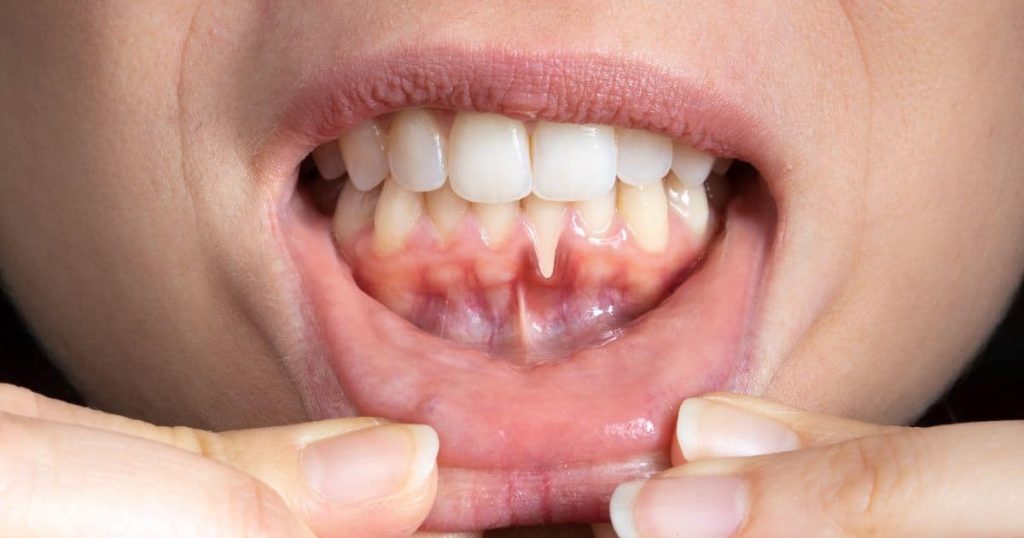
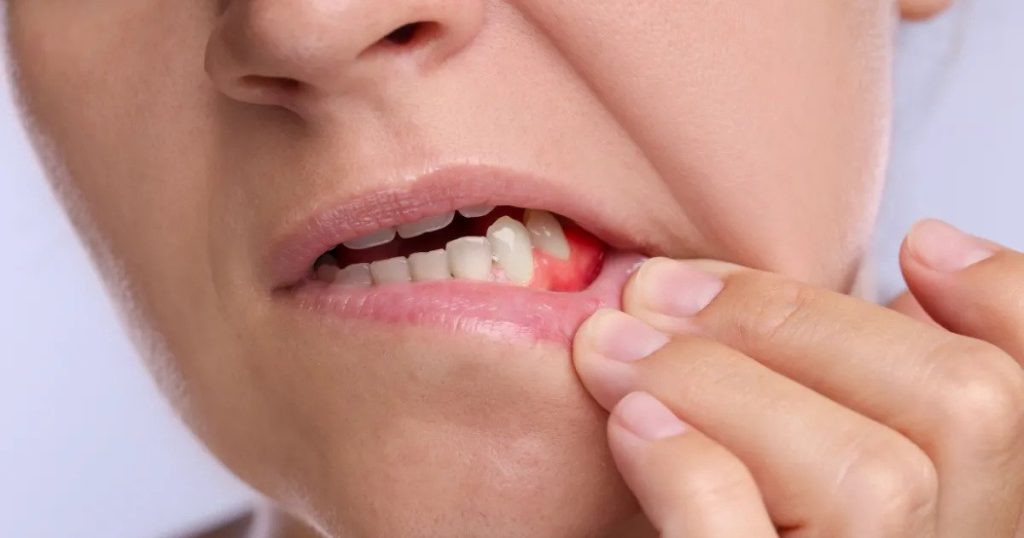
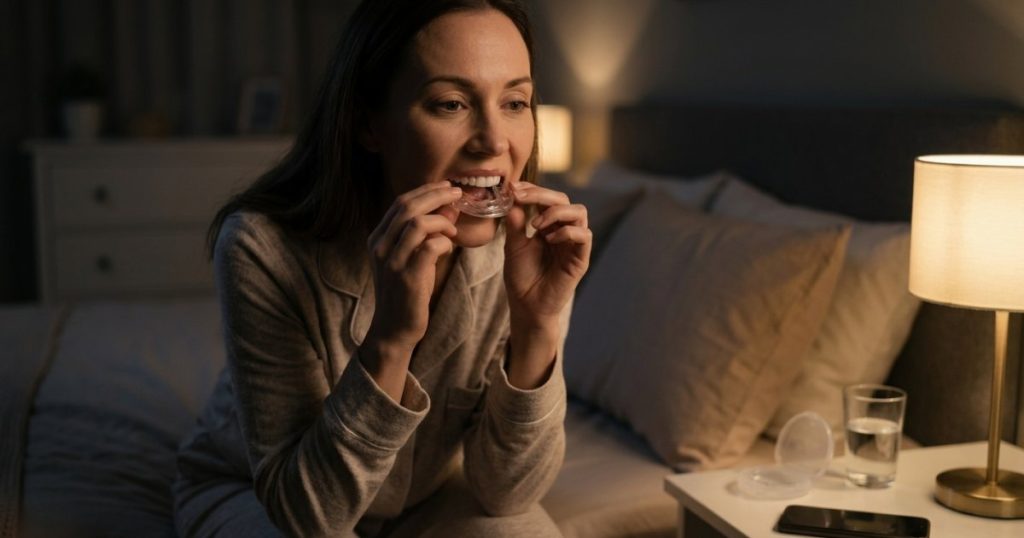
A night guard creates a protective barrier between your upper and lower teeth, helping reduce direct contact and limit tooth wear caused by grinding and clenching. It can also help protect existing dental restorations from excessive pressure.
However, a night guard does not necessarily stop bruxism itself. If you experience persistent jaw pain, headaches, or signs of tooth damage, a dentist can assess the cause and recommend appropriate treatment.
Research Evidence:
A Cochrane review found insufficient evidence that occlusal splints stop sleep bruxism. However, night guards may still help protect teeth from grinding-related wear.
Learn more: Tooth Enamel Erosion: Causes, Symptoms, and Treatment
Types of Night Guards for Teeth Grinding
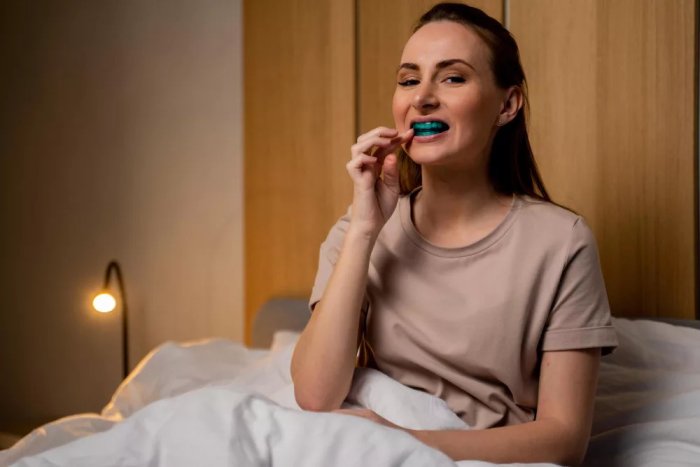
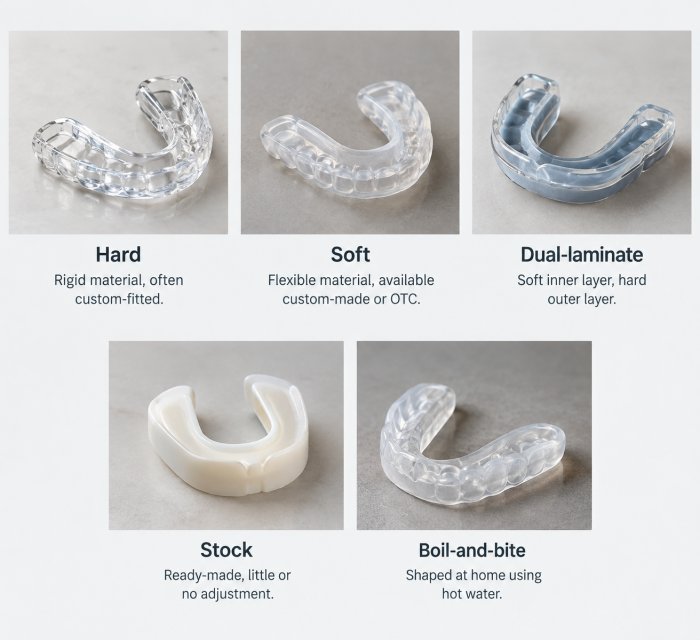
Night guards come in different materials and designs. The table below compares their main features, advantages, and limitations:
| Type | Fit and material | Advantages | Limitations |
|---|---|---|---|
| Hard | Rigid; often custom-fitted | Durable and can be tailored to individual dental needs | Higher cost; requires proper fitting |
| Soft | Flexible; available custom-made or OTC | Softer feel; some options are more affordable | May wear or become damaged with heavy grinding |
| Dual-laminate | Soft inner layer, hard outer layer | Combines cushioning with rigidity | Often more expensive; durability depends on design |
| Stock | Ready-made, little or no adjustment | Usually the cheapest option and readily available | Less precise fit and retention |
| Boil-and-bite | Softened in hot water and shaped at home | Affordable and more adjustable than stock guards | Fit depends on how well it’s molded; may be less durable |
The material alone doesn’t determine which night guard is right for you. Grinding intensity, fit, comfort, and existing dental work also matter. A dentist can assess these factors to help you choose an appropriate appliance.
Research Support:
A systematic review in the Journal of Dentistry comparing occlusal splints has found insufficient evidence to establish that one type consistently works better than other treatment options for bruxism. This supports choosing a night guard based on individual dental needs rather than material alone.
How to Choose the Best Night Guard for Teeth Grinding
In most cases, you can’t reliably determine on your own which night guard is best for your teeth. A dentist needs to assess your teeth, jaw, and grinding habits and discuss your symptoms and needs with you before recommending a suitable option.
However, several factors play an important role in choosing the best night guard for teeth grinding:
- Grinding severity and tooth wear: Visible enamel wear, chipped teeth, or repeated damage may indicate the need for a professionally assessed guard.
- Existing dental work: Crowns, veneers, fillings, and other restorations can affect which guard is suitable and how it should fit.
- Jaw pain and fit: Persistent jaw pain, changes in your bite, or discomfort while wearing a guard.
- Comfort and regular use: The guard should fit securely without causing pain or irritating your gums. Follow the recommended instructions and have it checked if its fit changes.
Related topic: Direct vs. Indirect Dental Restorations: Cost and Durability
Protect Your Teeth from Grinding Damage
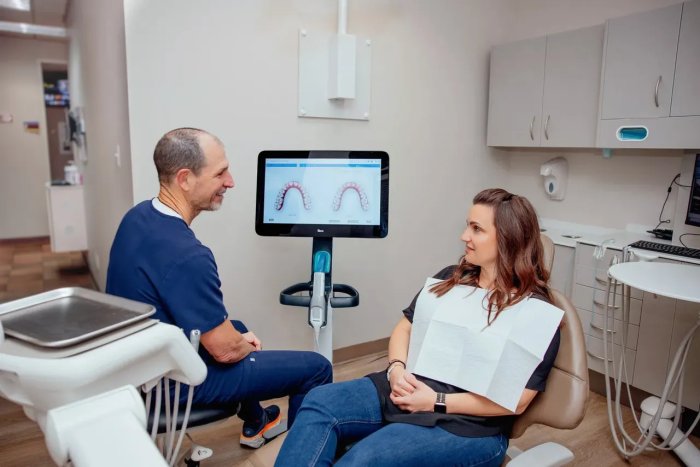
Waking up with jaw soreness, noticing worn teeth, or worried about damaging crowns and fillings? A custom night guard can help protect your teeth from grinding-related wear. At Pape Dental Centre, we can assess your needs and help you find an option that fits your teeth and budget.
Book Your Night Guard Consultation
Custom vs. Store-Bought Night Guards
A custom night guard may be the better choice if you grind heavily, have significant tooth wear, or need to protect crowns, veneers, or other dental restorations. A dentist can assess your teeth and jaw, then ensure the appliance fits properly and stays in place.
Store-bought night guards are generally less expensive and may suit people with mild grinding who need a temporary or more affordable option. However, their fit and retention can be less predictable.
The right night guard should suit your dental condition, not just your budget or preferred material. If you’re unsure, a dental examination can help you make the right choice.
How Much Does a Night Guard Cost in Toronto?
A custom night guard in Toronto typically costs around $300-$700, depending on the material, fabrication, and any required examination or follow-up. At Pape Dental Centre, the cost ranges from $400 to $600, based on the appliance and your individual needs.
The Canadian Dental Care Plan (CDCP) explicitly excludes bruxism appliances, including night guards. Private dental insurance may offer coverage, depending on your plan. Confirm your benefits and any additional fees before proceeding.
How to Clean and Care for a Night Guard
Proper care helps keep your night guard clean and in good condition. Consider these:
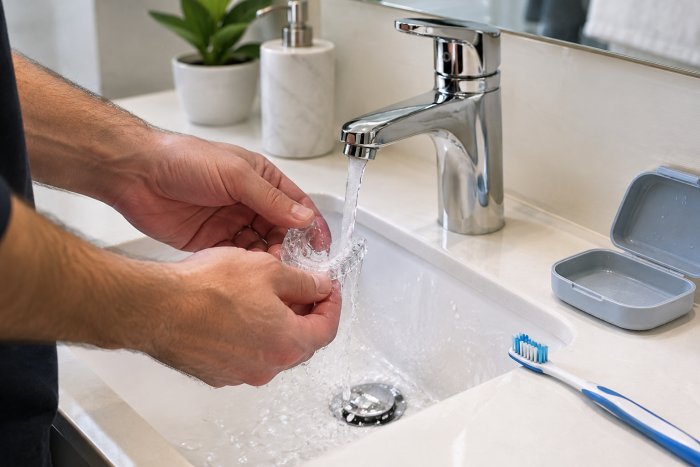
- Rinse your night guard with cool water after each use to remove saliva and debris.
- Gently brush it daily with a soft toothbrush and mild liquid soap, unless your dentist or the manufacturer recommends another method.
- Avoid hot water and abrasive cleaners, which can warp or scratch the material.
- Allow it to air-dry, then store it in a clean, ventilated case away from direct sunlight and pets.
- Check regularly for cracks, worn areas, distortion, or changes in fit.
- Follow your dentist’s or manufacturer’s instructions to avoid damaging the material.
If your night guard becomes uncomfortable, visibly worn, or no longer fits properly, ask your dentist to assess it.
Read more: How to Remove Yellow Stains From a Night Guard
Custom Night Guards at Pape Dental Centre
If you grind or clench your teeth during sleep, a custom night guard can help protect your teeth from excessive wear. At Pape Dental Centre in Toronto, we offer custom-fitted dental guards and can assess your needs to help determine which option is appropriate for you.
Our dental team includes Dr. Sasan Shahrbandi, DDS, who has over 20 years of dental experience. He is registered with the Royal College of Dental Surgeons of Ontario (RCDSO). His clinical experience includes restorative dentistry and TMJ treatment.
If you have noticed jaw discomfort, or are unsure which night guard is right for you, contact us to discuss your options. We also offer direct billing to many insurance providers.
Visit us at 759 Pape Avenue, Toronto, ON M4K 3T2, or call (647) 250-9685 to book your appointment.
FAQ
Is a hard or soft night guard better for teeth grinding?
Neither is always better. The right choice depends on your grinding severity, dental condition, comfort, and the dentist’s assessment.
Is a custom night guard worth the extra cost?
It may be, especially if you have significant tooth wear, dental restorations, or specific fitting needs. A dentist can assess whether customization is necessary.
Can a night guard stop you from grinding your teeth?
Not necessarily. Night guards primarily protect teeth from grinding-related damage; evidence that they stop sleep bruxism is limited.
Can I buy a night guard without seeing a dentist?
Yes. Store-bought guards are available, but a dental assessment is advisable if you have jaw pain, damaged teeth, or existing dental restorations.
How long does a night guard last?
It varies with the material, grinding intensity, and maintenance. Inspect it regularly and ask your dentist to assess damage or changes in fit.
Will dental insurance cover a night guard in Ontario?
Some private plans may cover night guards, depending on their terms. The CDCP excludes bruxism appliances, including night guards.
Can a night guard make jaw pain worse?
Yes. If your guard causes or worsens jaw pain, stop using it and consult your dentist before wearing it again.
Do you have questions or experience about choosing and using a night guard for teeth grinding? Share your thoughts in the comments!