
Noticing red spots on the tongue can be a little unsettling. While often harmless, these spots can sometimes indicate an underlying issue that needs attention. Understanding the common causes of red spots on your tongue can help you determine when it’s time to visit a dentist.
At Pape Dental Centre in Toronto, we believe in providing clear, reliable information to help our patients maintain excellent oral health. This guide will walk you through the various reasons you might develop red spots, what symptoms to watch for, and how our team can help.
What Causes Red Spots on the Tongue?
The appearance of red spots on your tongue can stem from a wide range of factors. Most are benign and resolve on their own, but some require professional diagnosis and treatment. Here are some of the most frequent culprits:
Geographic Tongue
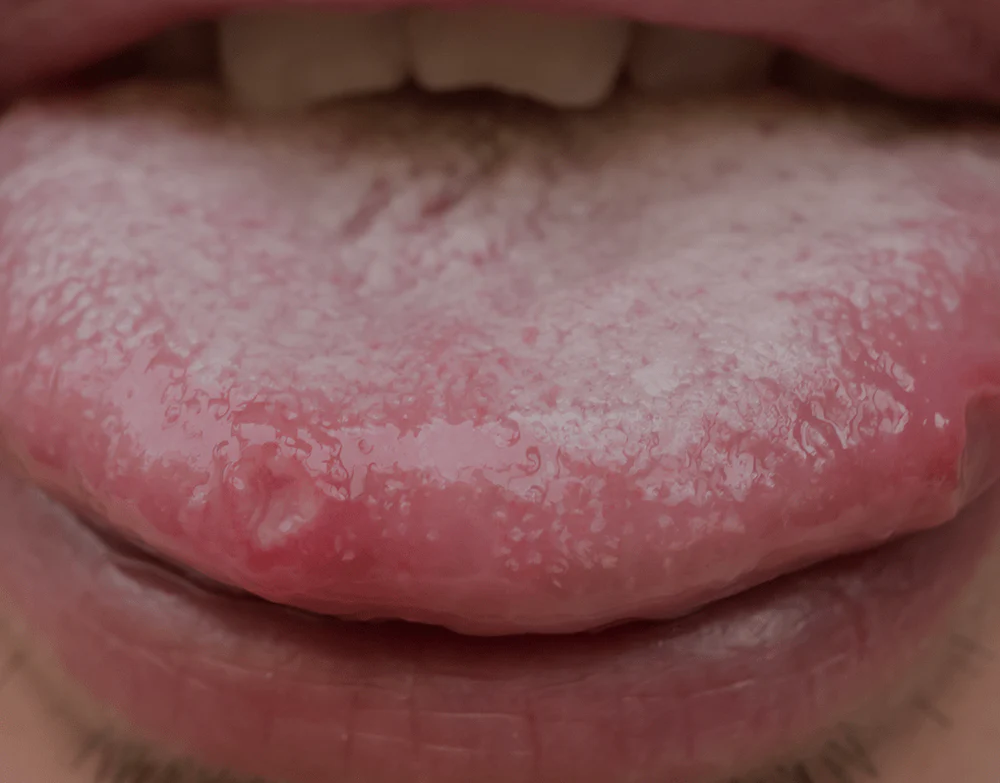
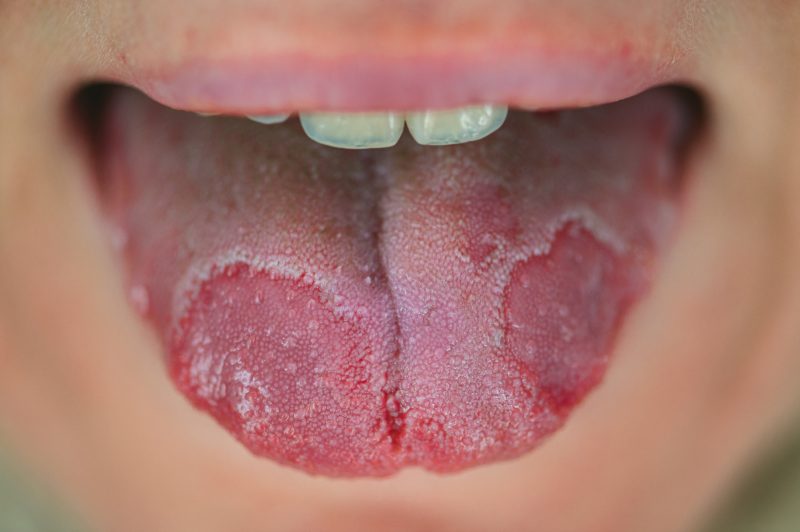
One of the most common and generally harmless causes of red spots is geographic tongue, also known as benign migratory glossitis. This condition gets its name from the map-like pattern of red patches with white borders that can appear on the surface of the tongue. These spots can change shape and location over days or weeks. While the exact cause is unknown, it’s thought to be linked to stress, allergies, or hormonal changes. Geographic tongue is usually painless, though some people report sensitivity to spicy or acidic foods.
Trauma or Irritation
Your tongue is constantly in use, making it susceptible to minor injuries. Biting your tongue, burning it with hot food or drinks, or even rubbing it against a sharp tooth or dental appliance can cause temporary red spots or bumps. These irritations typically heal quickly once the source of trauma is removed.
Allergies and Sensitivities
Certain foods, medications, or even ingredients in toothpaste and mouthwash can trigger allergic reactions or sensitivities that manifest as red spots or inflammation on the tongue. If you notice red spots after consuming a particular food or using a new oral care product, an allergy might be the cause.
Infections
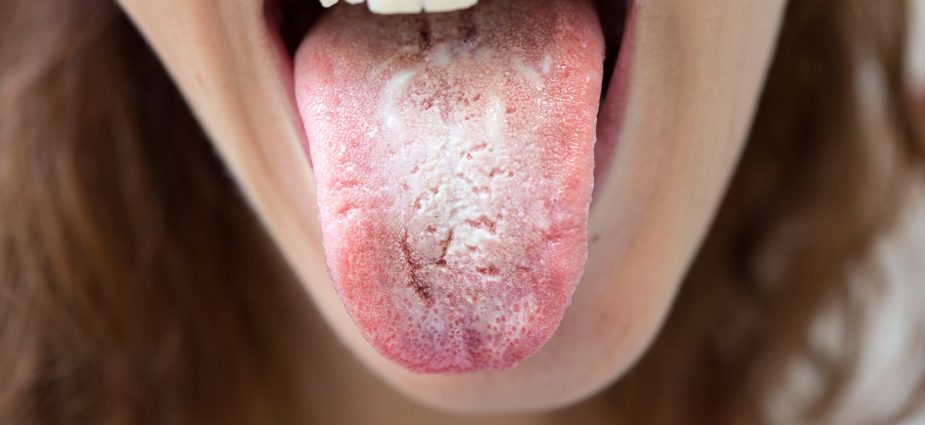
Infections can also lead to red spots. Oral thrush, a yeast infection caused by Candida fungus, typically appears as white patches, but when scraped away, it can reveal red, inflamed areas underneath. Other bacterial or viral infections can also cause lesions or red bumps on the tongue.
Nutritional Deficiencies
Sometimes, a lack of essential vitamins and minerals can affect oral health. Deficiencies in B vitamins (especially B12 and folate) or iron can lead to a sore, smooth, and sometimes red or patchy tongue. Addressing the underlying vitamin deficiency, red spots on the tongue caused by dietary changes or supplements can resolve these symptoms.
Other Conditions
- Lichen Planus: Lichen Planus is a chronic inflammatory condition that can affect the skin and mucous membranes, including the tongue. It can appear as white, lacy patches or red, swollen areas.
- Scarlet Fever: This bacterial infection, often associated with strep throat, can cause a “strawberry tongue” – a red, bumpy tongue with a white coating.
- Oral Cancer: While rare, persistent red or white spots, sores that don’t heal, or lumps on the tongue can be signs of oral cancer. Early detection is crucial for successful treatment.
When Should You Be Concerned About Red Spots?
Most red spots on the tongue are harmless, but knowing when to see a dentist for red spots is important. You should seek professional advice if you experience any of the following:
- Persistence: Red spots that do not disappear or improve within 10-14 days.
- Pain or Discomfort: Spots that are consistently painful, burning, or sensitive, especially if they interfere with eating or speaking.
- Changes in Appearance: Spots that grow larger, change colour, or develop an unusual texture.
- Accompanying Symptoms: If the red spots are accompanied by fever, swelling, difficulty swallowing, swollen lymph nodes, or unexplained weight loss.
- Bleeding: Any red spot that bleeds easily or without obvious trauma.
These symptoms, especially when combined, could indicate a more serious underlying condition that requires prompt evaluation.
Diagnosis and Treatment at Pape Dental Centre
When you visit Pape Dental Centre for red spots on your tongue, our team will conduct a thorough oral examination. We will carefully inspect your tongue, mouth, and surrounding areas. We’ll also discuss your medical history, any medications you’re taking, your diet, and your lifestyle habits.
Based on our findings, we may:
- Visually diagnose: Many common conditions, like geographic tongue, can be diagnosed simply by their appearance.
- Suggest lifestyle changes: For irritation, we might recommend avoiding certain foods or habits.
- Prescribe medication: For infections like oral thrush, antifungal medication may be prescribed.
- Recommend dietary adjustments: If a vitamin deficiency is suspected, we might suggest dietary changes or supplements.
- Refer to a specialist: In rare cases where a more complex condition or oral cancer is suspected, we may recommend a biopsy or refer you to an oral surgeon or medical specialist for further evaluation.
Our goal is to accurately diagnose the cause of your red spots and provide effective, personalized treatment to restore your oral health and peace of mind.
Preventing Red Spots on the Tongue
While not all causes of red spots on the tongue are preventable, many can be avoided by maintaining good oral hygiene and a healthy lifestyle. Here’s how to get rid of red spots on the tongue and promote overall oral wellness:
- Practice excellent oral hygiene: Brush your teeth twice a day, floss daily, and consider using a tongue scraper to remove bacteria and food debris.
- Eat a balanced diet: Ensure you’re getting enough essential vitamins and minerals, particularly B vitamins and iron, to prevent nutritional deficiencies.
- Stay hydrated: Drinking plenty of water helps keep your mouth moist and can prevent irritation.
- Avoid irritants: Limit very hot, spicy, or acidic foods and drinks if they seem to aggravate your tongue. If you smoke or use tobacco products, quitting can significantly improve your oral health.
- Manage stress: Stress can be a trigger for conditions like geographic tongue. Finding healthy ways to manage stress can be beneficial.
- Regular dental check-ups: Schedule routine visits. Regular examinations allow us to detect and address potential issues early, often before they become more serious.
Conclusion
Red spots on your tongue can be a minor annoyance or a sign of something that needs attention. The key is not to self-diagnose but to seek professional guidance when in doubt. Your oral health is an integral part of your overall well-being.
At Pape Dental Centre, we are committed to providing comprehensive care and clear answers. If you’re concerned about red spots on your tongue or any other oral health issue, don’t hesitate to reach out and contact us.
FAQ
Are red spots on my tongue serious?
Most red spots on the tongue are not serious and are often due to benign conditions like geographic tongue, minor trauma, or mild irritation. However, persistent spots, those accompanied by pain, bleeding, or other concerning symptoms, should always be evaluated by a dentist to rule out more serious issues.
How do I get rid of red spots on my tongue?
The treatment for red spots depends entirely on their cause. For harmless spots, no specific treatment might be needed. For others, it could involve avoiding irritants, adjusting your diet, taking medication for infections, or addressing nutritional deficiencies. A professional diagnosis is essential to determine the correct approach.
What is geographic tongue?
Geographic tongue is a benign, non-contagious condition where irregular, red, map-like patches appear on the tongue’s surface. These patches are smooth and lack the usual tiny bumps (papillae). They can change shape and location over time. It’s usually harmless, though some individuals may experience sensitivity to certain foods.
Can a vitamin deficiency cause red spots on the tongue?
Yes, deficiencies in certain vitamins, particularly B vitamins (like B12 and folate) and iron, can lead to changes in the tongue’s appearance, including redness, soreness, and a smooth texture. Supplementation or dietary changes often resolve these symptoms.
When should I worry about red bumps on my tongue?
You should worry about red bumps on your tongue if they are persistent (lasting more than two weeks), painful, bleeding, growing, or accompanied by other symptoms like difficulty swallowing, fever, or swollen glands. In such cases, it’s crucial to seek professional dental advice promptly.