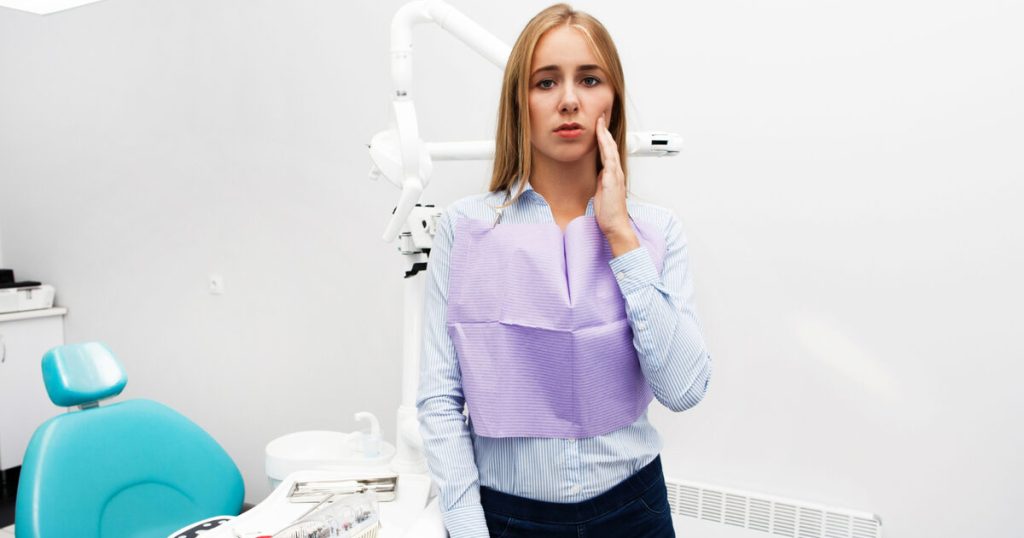

Have you ever finished a dental cleaning and immediately felt a small piece of your tooth break off, a sharp edge, or something loose in your mouth? Many patients panic and think, “The hygienist broke my tooth!” or wonder, “Can a tooth chip or break during teeth cleaning?”
We hear this worry very often, and we totally understand how alarming it feels. Sometimes it’s just a sharp spot, but other times it can be a small piece of old tartar, weakened enamel, or even a tiny bit of decay that came loose during the cleaning. In this article, we’ll explain what’s really happening, why it’s usually not as scary as it seems, and what you should do next.
Did the Hygienist Actually Break My Tooth?
Short answer: No, in almost all cases, the hygienist did not break your tooth.
We completely understand why it feels that way, especially if you’ve noticed a small piece of your tooth come off, a sharp edge, or something missing right after your cleaning.
The truth is: healthy tooth enamel is one of the strongest materials in your body, and normal cleaning tools are designed not to damage strong, healthy teeth. What usually happens is that heavy tartar (calculus) has been hiding small weaknesses, tiny cracks, damaged areas, or unstable old fillings that were already there. Once the tartar is removed, those weak spots may suddenly become noticeable, and in some cases, a small piece of weakened tooth structure or an old filling can chip or break loose shortly after the cleaning.
You didn’t do anything wrong, and in most situations, your dental hygienist did not directly cause the damage.
Note: As mentioned on verywellhealth.com, professional dental cleanings are recommended once or twice a year and are considered safe for removing plaque and tartar without damaging enamel.
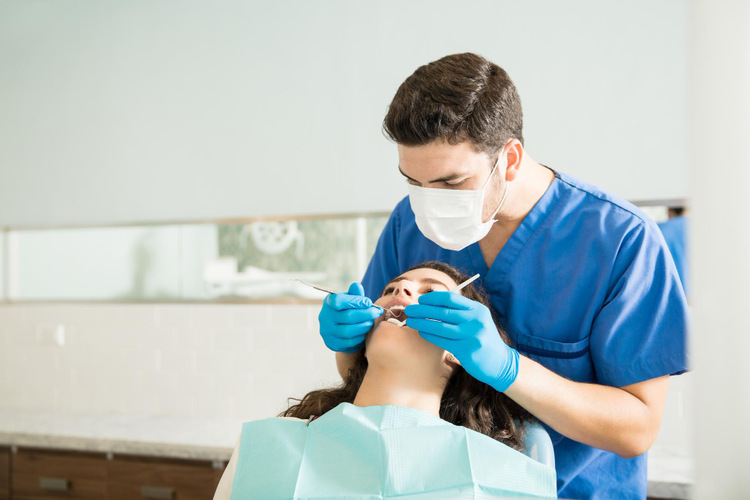
Why Do So Many People Feel Their Tooth Chipped After a Cleaning?
This feeling is extremely common, and you’re definitely not the only one. Here’s why it happens to so many patients:
- Your teeth feel completely different right after cleaning. They go from rough and covered to super smooth, so even tiny natural edges or slight irregularities suddenly feel sharp or “wrong.”
- After removing years of buildup, some areas of the tooth that were protected for a long time are now exposed to your tongue and air for the first time.
- Teeth that haven’t been cleaned in a while are often more sensitive and fragile at the surface, making any small change feel much bigger than it actually is.
- People naturally run their tongue over the area repeatedly after cleaning, which makes them hyper-aware of every little spot.
This combination of changed texture and heightened attention is exactly why so many people immediately think “my tooth chipped during cleaning.”
When Can a Tooth Actually Chip or Break During Cleaning?
A tooth can occasionally chip or break during cleaning, but it almost always happens when the tooth is already compromised. This is more likely in cases with pre-existing cracks, significantly weakened enamel (from grinding, acid erosion, or decay), advanced gum disease with exposed roots, or when someone hasn’t had a cleaning in many years and has heavy tartar buildup.
In these situations, the tooth is already fragile, and removing the hard tartar can sometimes cause a small piece to flake off. Healthy teeth with strong enamel rarely chip from normal cleaning.
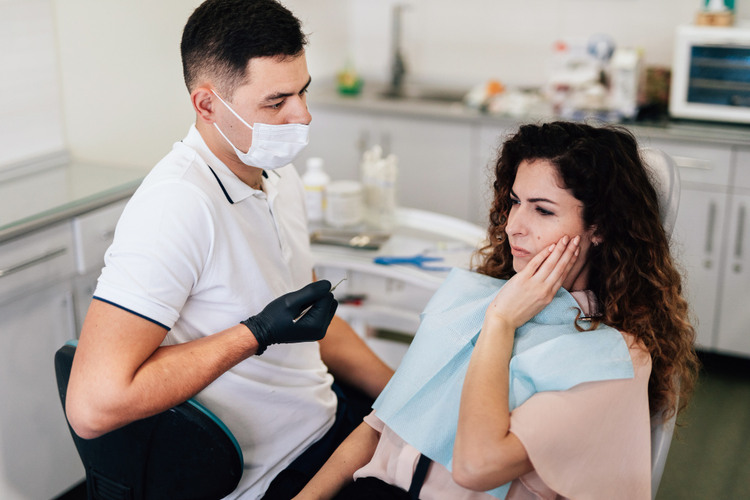
How Teeth Become Weak Before the Cleaning Even Starts
Teeth don’t become weak during cleaning. The weakening usually happens gradually over time. Common reasons include teeth grinding (bruxism), consuming acidic foods and drinks, old, untreated decay, heavy tartar buildup, and gum recession that exposes softer root surfaces, often detected during a periodontal examination. Even clenching or occasional hard chewing can create tiny cracks. By the time you sit in the chair, these hidden weaknesses are often already present, waiting to be uncovered once the protective layer of tartar is removed.
Related topic: Tooth Enamel Erosion: Causes, Symptoms, and Treatment
Have a Comfortable, Stress-Free Dental Cleaning!
One of the best ways to avoid unnecessary worry is to have your dental cleaning and follow-ups done by a trusted, experienced team that knows how to protect your teeth at every step.
Book your visit with Pape Dental Centre today and let our experienced team take care of your smile with confidence and precision.
Book your appointment now!
What Dental Tools Actually Do (and Don’t Do) During Cleaning
Our dental tools are designed to gently remove tartar and plaque while keeping your teeth safe.
- Ultrasonic scaler: Uses gentle vibrations to shake off heavy tartar.
- Hand instruments: Carefully scrape buildup from hard-to-reach areas.
- Polisher: Smooths the tooth surface for a clean feel.
What they don’t do: They do not damage or break healthy, strong enamel. They only affect areas that are already weakened or covered by old tartar. Normal cleaning tools are safe for healthy teeth.
Research note: Studies show ultrasonic scalers may cause microscopic surface changes, but these are clinically insignificant on healthy enamel. (md.co.uk)
Tartar vs. Actual Tooth: What’s the Difference?
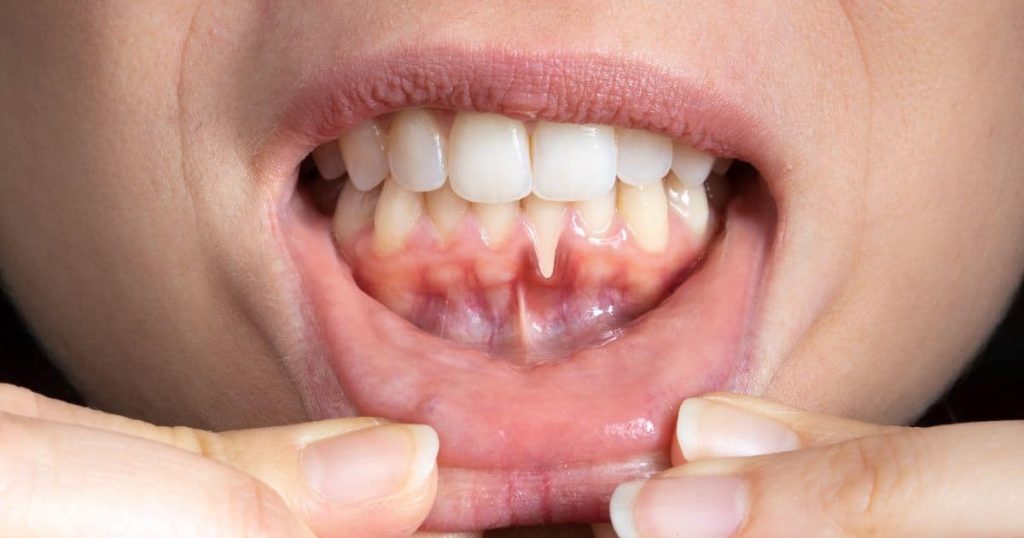
Tartar (calculus) is much harder and more brittle than most people realise. After years of buildup, it can fuse tightly to the tooth and sometimes come off in larger chunks during cleaning. Because it’s stuck so firmly, when a piece breaks away, it can feel exactly like a sharp piece of your real tooth just chipped off, even though it’s only the tartar layer separating.
Patients often mistake loosened tartar (calculus) for a chipped tooth after cleaning because both can create a sudden rough or sharp feeling. The table below explains the key differences:
| Feature | Tartar / Calculus | Chipped Tooth |
| Color | Yellow, brown, dark | White or tooth-colored |
| Texture | Brittle, crusty | Hard and smooth |
| Pain | Usually painless | May cause sensitivity |
| Smell | Sometimes bad odor | Usually none |
| Bleeding | Possible around gums | Less common |
| Cause | Hardened plaque | Enamel fracture |
| Common after cleaning? | Very common | Less common |
What Should You Do If You Notice a Chip After Cleaning?
Don’t worry. This is very common and almost always easy to handle. Here’s what we recommend:
- Contact us the same day or the next day and tell us about the sharp edge or area you’re feeling.
- We’ll book a quick check for you if it’s necessary.
- During the visit, we’ll carefully examine the tooth. If it’s a really small chip, we’ll smooth it or repair it with bonding. And if it’s just a false alarm (which happens often), we’ll let you know right away and reassure you that everything is fine so you can relax.
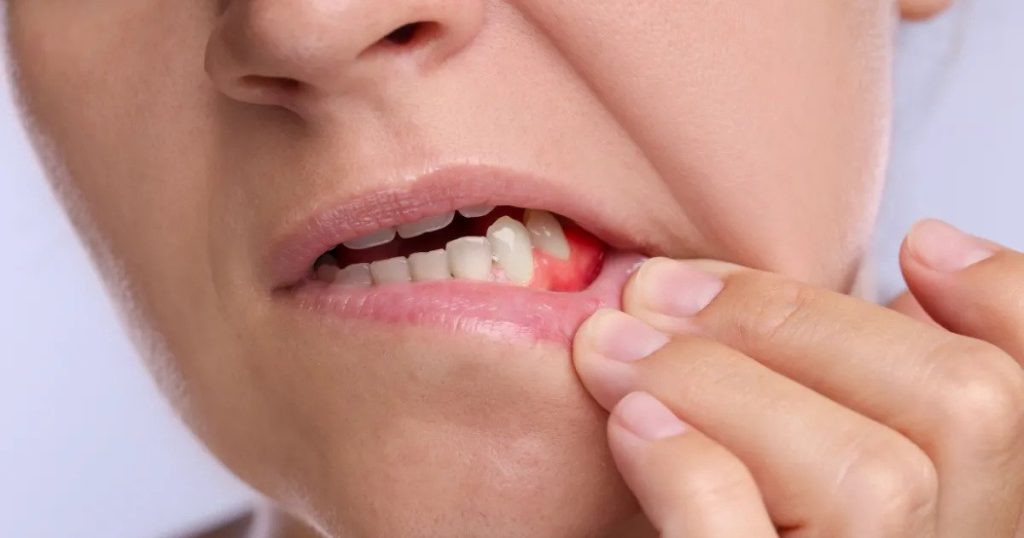
If you notice significant pain, swelling, ongoing bleeding, strong sensitivity, pain while chewing, a loose tooth, or a visibly large chip after your cleaning, don’t hesitate to contact our emergency dentist as soon as possible. Acting quickly gives you peace of mind and keeps any potential issue very small and simple to fix. We’re always here to help.
If a small chip is confirmed during your visit, dental bonding is often a simple and effective way to restore the tooth’s smooth surface and natural look.

How to Protect Your Teeth and Avoid This in the Future
The best way to prevent chips during cleaning is through good preventive dentistry and keeping your teeth strong and tartar buildup low.
- Visit us every 6 months for regular cleanings. Shorter appointments mean gentler cleaning.
- Brush twice a day and floss daily to reduce tartar formation.
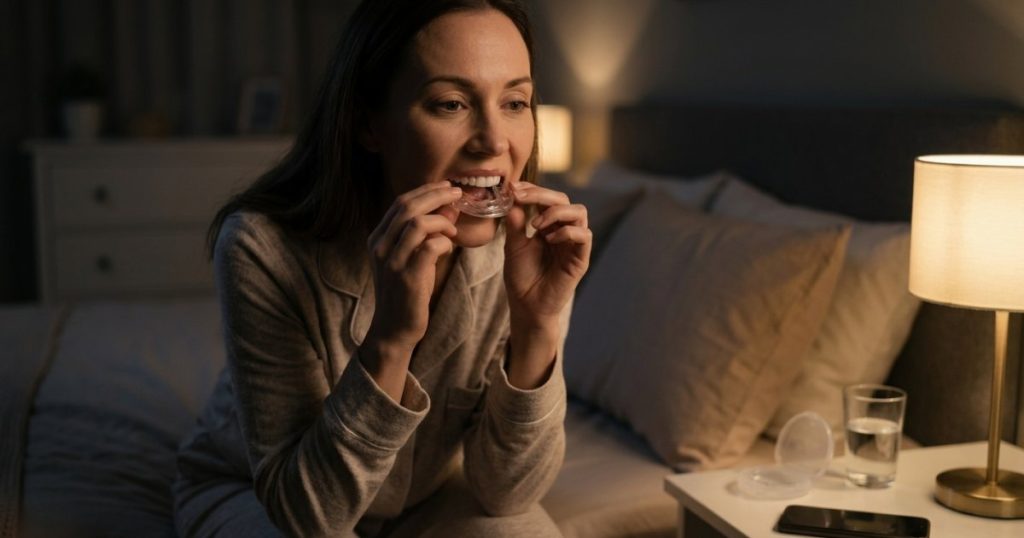
- If you grind or clench your teeth, ask us about a night guard.
- Limit acidic foods and drinks (soda, citrus, energy drinks) and rinse your mouth with water after.
- Don’t wait years between visits. The longer the gap, the higher the risk.
Small, consistent habits make a big difference and help keep your teeth healthier during every cleaning.
Related useful topic: How Dental Hygienists Help Prevent Gum Disease
Important Tips to Share With Your Hygienist Before Your Next Visit
Before your next cleaning, please let your hygienist know if you’ve had any tooth sensitivity, grinding or clenching, a long gap since your last visit, or if you felt any sharp edges after your previous cleaning. Mentioning these things helps us adjust our technique, use gentler tools where needed, and take extra care around sensitive or weakened areas. Honest communication makes your cleaning more comfortable and safer for your teeth.
The Bottom Line
So, Can a Tooth Chip or Break During Teeth Cleaning? In most cases, your hygienist did not break or chip your tooth. What often feels like new damage is simply old tartar being removed and revealing pre-existing weaknesses. Understanding this helps reduce worry and lets you focus on keeping your teeth healthy with regular care.
At Pape Dental Centre, we prioritise your comfort and safety during every cleaning. Our team takes extra time and care, especially with patients who haven’t visited in a while. If you have any concerns about your teeth, we’re here to help.
FAQ
1. Will the small chip get worse if I don’t fix it immediately?
Small chips can stay the same for a while, but they may get bigger over time. Chewing, hot/cold foods, or bacteria can make the chip larger and lead to sensitivity or decay. It’s best to see your dentist soon so it can be fixed simply before it becomes a bigger issue.
2. Should I change my hygienist or find a new clinic after this happened?
Not necessarily. Most chips during cleaning happen because of the tooth’s previous condition, not because the hygienist did something wrong. Talk openly with your current team first. A hygienist who already knows your teeth may actually do better work next time.
3. Does a chipped tooth after cleaning mean I have bad teeth?
No, it doesn’t mean your teeth are “bad.” It usually means the tooth had hidden weaknesses (like tiny cracks or enamel worn down by grinding, acid, or old tartar). Regular cleanings actually help protect your teeth by removing harmful buildup before problems get worse.
4. What should I do right after I notice the chip?
Contact your dental office as soon as possible. Tell them exactly what you noticed and when. They will usually book a quick visit to check it, smooth the edge, or repair it with bonding. Don’t wait too long; early treatment is quick and keeps the tooth strong.
5. Why do my teeth feel thinner after cleaning?
Teeth can feel thinner or smaller after cleaning because tartar buildup has been removed. In reality, the teeth are returning to their natural shape rather than losing healthy enamel.
If you’ve had a similar experience after a dental cleaning or still have questions, feel free to share your story in the comments so we can help you better understand it.