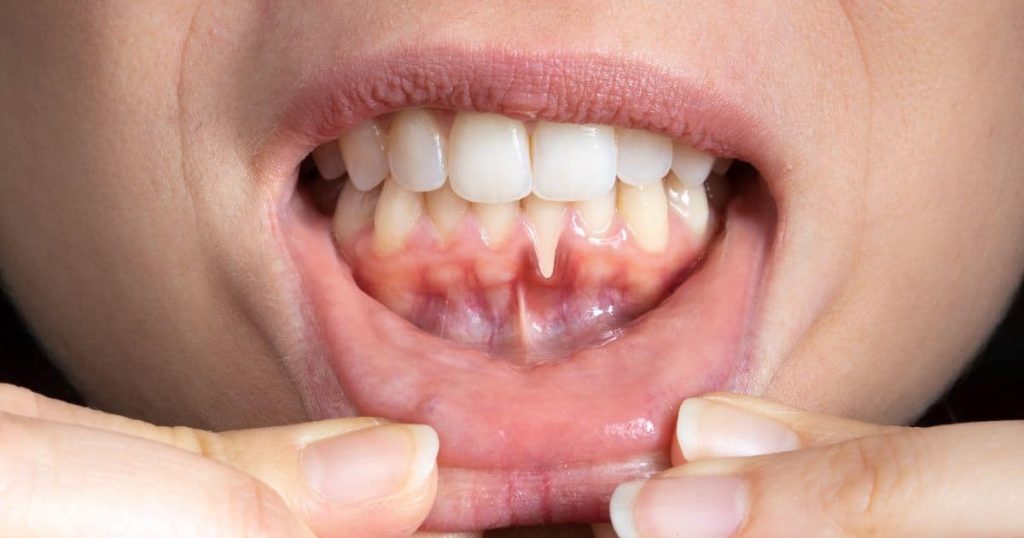

A gum abscess can be a painful and concerning dental emergency. It signals a serious infection that, if left untreated, can lead to significant health complications. Understanding what a gum abscess is, how to recognize its symptoms, and the importance of prompt professional care is crucial for your oral and overall health. In this guide, we will explain what a gum abscess is, what it looks like, what causes it has, and how to treat it.
What is a Gum Abscess?
A gum abscess, also known as a dental abscess, is a localized collection of pus caused by a bacterial infection. This infection can develop in different areas around a tooth or in the gums. It’s the body’s way of trying to contain an infection, but it requires professional intervention to resolve.
There are generally two main types of dental abscesses: periapical and periodontal
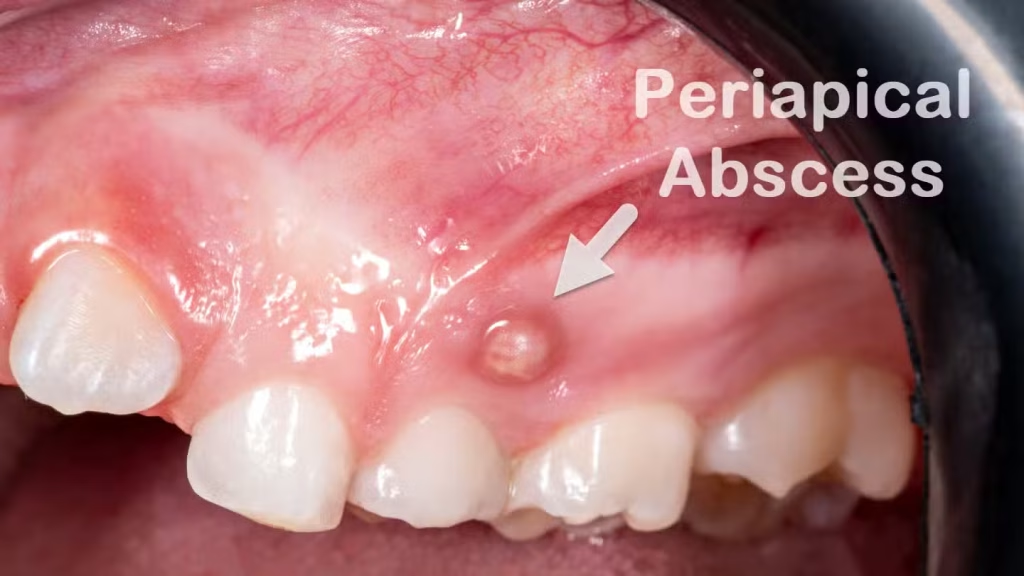
A Periapical Gum Abscess
This type of gum asbcess forms at the tip of the tooth’s root, often as a result of an untreated cavity or trauma that allows bacteria to enter the pulp of the tooth.
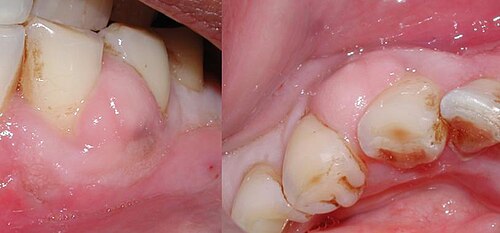
A Periodontal Gum Abscess
A periodontal abscess, on the other hand, forms in the gum tissue itself, usually due to gum disease (periodontitis) where bacteria accumulate in pockets between the teeth and gums.
Symptoms of a Gum Abscess
Identifying the symptoms of a gum abscess early is vital for timely treatment. The pain associated with a gum abscess can range from a dull ache to a sharp, throbbing discomfort that may radiate to your ear, jaw, or neck. This gum pain often worsens when chewing or when pressure is applied to the affected area.
Beyond pain, you might notice visible signs like swollen gums that appear red and tender to the touch. A small bump or swelling on the gum near the affected tooth is also a common indicator. You may also experience a bad taste in your mouth or bad breath, which can be due to the pus draining from the infection.
Other symptoms can include sensitivity to hot or cold temperatures, fever, general malaise, and sometimes even swelling in your face or neck. If you experience any of these symptoms, especially persistent gum pain or swelling, it is important to seek immediate dental attention.
What Causes a Gum Abscess?
A gum abscess primarily results from a bacterial infection. Several factors can contribute to bacteria entering the gum tissue or tooth pulp, leading to an abscess:
- Poor Oral Hygiene: Inadequate brushing and flossing allow plaque and tartar to build up, creating an environment where bacteria thrive. This can lead to gum disease and, eventually, a gum infection.
- Untreated Tooth Decay: Deep cavities can erode the tooth enamel and dentin, reaching the pulp chamber. Once bacteria infect the pulp, they can spread to the tooth’s root tip, causing a periapical abscess.
- Gum Disease (Periodontitis): Advanced gum disease creates deep pockets between the teeth and gums. These pockets become breeding grounds for bacteria, which can then infect the gum tissue and form a periodontal abscess.
- Trauma or Injury: A cracked or chipped tooth, or an injury to the gums, can create an opening for bacteria to enter and cause an infection.
- Compromised Immune System: Individuals with weakened immune systems, due to conditions like diabetes or certain medications, may be more susceptible to infections like a gum abscess.
Why You Need Prompt Treatment
Many patients wonder, “Can a gum abscess heal itself?” The answer is unequivocally no. A gum abscess is a serious infection that will not resolve on its own. While the pain might temporarily subside if the abscess ruptures and drains, the underlying infection remains and can continue to spread.
Delaying treatment for a gum abscess carries significant risks. The infection can spread to surrounding teeth, jawbone, and even to other parts of your body, including your brain or heart, leading to life-threatening conditions. It can also cause extensive damage to your dental structures, potentially resulting in tooth loss. Seeking an emergency dentist in Danforth for immediate care is critical to prevent these severe complications and protect your overall health.
Gum Abscess Won’t Fix Itself!
The sooner you act, the easier the solution. Leaving an infection untreated can lead to much bigger issues than just a toothache. Reach out now to schedule your visit and let our expert team at Pape Dental Centre put this dental worry behind you.
Book your appointment now!
Effective Gum Abscess Treatment Options
The primary goal of gum abscess treatment is to eliminate the infection and preserve your tooth. Your dentist will conduct a thorough examination, often including X-rays, to diagnose the type and extent of the abscess.
- Draining an Abscess: The most immediate step is often to drain the pus. The dentist makes a small incision in the abscess to allow the pus to flow out, relieving pressure and pain.
- Antibiotics for Gum Infection: Antibiotics are typically prescribed to help clear the remaining bacterial infection, especially if the infection has spread or if you have a weakened immune system.
- Root Canal Treatment: If the abscess is periapical (at the root tip), a root canal procedure may be necessary. This involves removing the infected pulp, cleaning and shaping the inside of the tooth, and then filling and sealing it.
- Periodontal Procedures: For periodontal abscesses, deep dental cleaning methods like dental scaling and root planing may be performed to clean the gum pockets and remove bacteria. In some cases, minor surgical procedures might be needed to reshape gum tissue or remove infected bone.
- Tooth Extraction: In severe cases where the tooth is extensively damaged and cannot be saved, tooth extraction may be the only option.
Preventing a Gum Abscess
Preventing a gum abscess largely comes down to maintaining excellent oral hygiene and regular dental care. Here are key practices to protect your oral health:
- Brush and Floss Regularly: Brush your teeth at least twice a day with fluoride toothpaste and floss daily to remove food particles and plaque.
- Regular Dental Check-ups and Cleanings: Visit your dentist every six months for professional cleanings and oral examinations. These appointments allow for early detection and treatment of cavities and gum disease before they escalate into an abscess.
- Maintain a Healthy Diet: Limit sugary foods and drinks, which contribute to tooth decay. A balanced diet supports overall health, including your immune system.
- Avoid Smoking and Tobacco Products: Smoking significantly increases your risk of gum disease and can hinder the healing process.
- Address Dental Issues Promptly: Do not ignore toothaches, sensitive teeth, or bleeding gums. Seek dental care immediately if you notice any changes in your oral health.
Conclusion
A gum abscess is a serious condition that demands immediate attention. By understanding its symptoms, causes, and the necessity of prompt treatment, you can protect your oral health and prevent severe complications.
At Pape Dental Centre, we understand the discomfort and concern a gum abscess can bring. Our experienced team is dedicated to providing compassionate, effective, and timely dental care to our community in Toronto’s Greektown and Danforth area. We use modern diagnostic tools and treatment techniques to address your dental health needs with precision and care.
Whether you are experiencing the urgent symptoms of a gum abscess or just seeking to maintain your routine oral health, our clinic is here to support you. Contact us for a more accurate and personalized consultation.
FAQ
Can a gum abscess go away on its own?
No, a gum abscess cannot go away on its own. It is a serious bacterial infection that requires professional dental treatment to be resolved. While the pain might temporarily ease if the abscess drains, the infection itself remains and can spread, leading to more severe complications.
How is a gum abscess diagnosed?
Your dentist will diagnose a gum abscess through a thorough oral examination. They will look for swelling, redness, and tenderness, and may gently probe the area. X-rays are typically taken to determine the location and extent of the infection, especially if it’s near the tooth root.
Is a gum abscess always painful?
While gum abscesses are often associated with significant pain, not all are intensely painful. Some may cause only a dull ache or mild discomfort. However, even if the pain is minimal, the infection is still present and requires immediate attention.
What happens if a gum abscess bursts?
If a gum abscess bursts, you might experience a sudden rush of foul-tasting fluid in your mouth and a temporary relief from pain due to the release of pressure. However, the underlying infection is still present, and bacteria can continue to spread. It is crucial to see a dentist even if the abscess bursts, as treatment is still necessary.
How long does a gum abscess take to heal after treatment?
After professional treatment, the pain and swelling from a gum abscess usually begin to subside within a few days. Complete healing of the gum tissue or bone can take several weeks or even months, depending on the severity of the initial infection and the type of treatment performed. Your dentist will provide specific aftercare instructions.
We’d love to hear from you! Share your experiences or questions about gum abscess in the comments below.