Eating after teeth whitening comes down to two questions: when and what to eat. You can eat soon after the treatment, although the best choice is to follow your dentist’s advice. However, in the first 24-48 hours, limiting two types of food is recommended: highly pigmented foods, which may contribute to staining, and acidic ones, which can aggravate sensitivity. Although a “white diet” is commonly recommended, newer evidence suggests that a strict version is not essential.

When Can You Eat After Teeth Whitening?
There is no single waiting period for every whitening treatment. You can usually eat again soon after treatment, but timing and short-term advice depend on your dentist’s protocol.
A “white diet” is often recommended for the first 24–48 hours to limit highly pigmented foods and drinks. However, recent research suggests its effect on whitening results may be smaller than commonly assumed.
Research findings: A 2024 systematic review and meta-analysis and a 2025 network meta-analysis found no meaningful advantage from strict dietary restrictions, although the evidence does not mean food choices are completely irrelevant.
The best approach is to follow your dentist’s advice and choose lighter-coloured foods for a short time, especially if your teeth feel sensitive.
Learn more: Teeth Whitening Results: How Long Do They Last and How to Maintain Them

What to Eat After Teeth Whitening
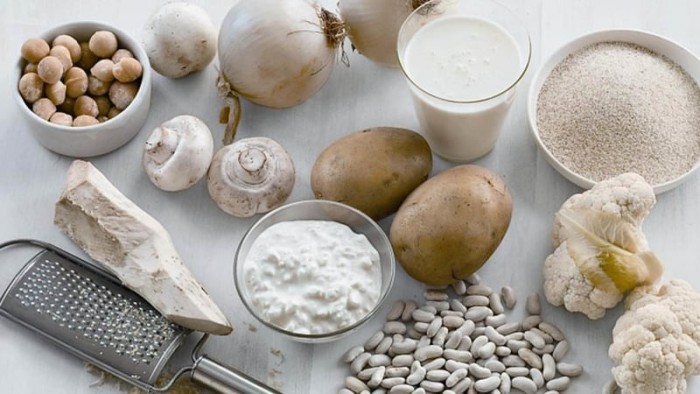
Right after whitening or bleaching, it’s easiest to stick with light-coloured foods that are less likely to contribute to staining. These are not completely stain-proof, but they can be practical choices while your teeth adjust:
- Water
- Milk
- Plain yogurt
- Eggs
- Chicken
- White fish
- Rice
- Potatoes
- Other lightly coloured foods, such as cauliflower or plain white bread
Water is the simplest drink to choose. It has no colour or acidity, and you can also use it to rinse your mouth after eating or drinking.
If your teeth feel sensitive, foods and drinks closer to room temperature may be more comfortable. For the next day or two, it can also help to avoid anything that makes your teeth feel uncomfortable.
What to Avoid Eating and Drinking After Teeth Whitening
You don’t need to follow strict “do not eat” rules after whitening. However, if you want to be more cautious, you may choose to limit foods and drinks that are strongly coloured or highly acidic for a short time. These foods are not proven to undo your whitening results, but they may contribute to staining or make sensitive teeth feel worse.
1. Highly pigmented foods and drinks
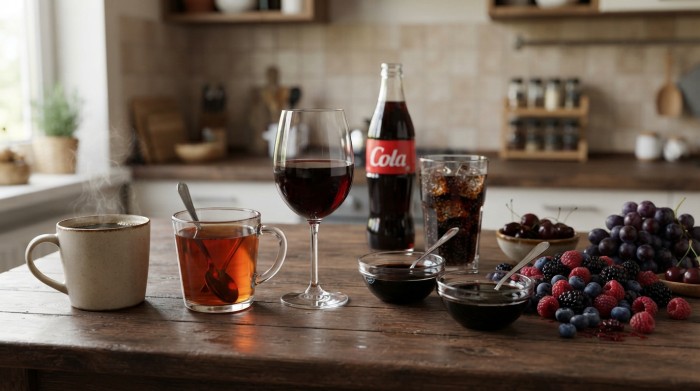
Some foods and drinks have strong colour compounds that can more easily settle on teeth while the surface is still settling after whitening. These are the main ones to limit if you want to reduce the chance of staining:
- Coffee
- Black tea
- Red wine
- Cola and other dark soft drinks
- Dark sauces, such as soy sauce and balsamic sauce
- Berries and other deeply coloured fruits
- Other foods and drinks with strong pigments
Teeth whitening for coffee and tea drinkers is probably a bit harder because they have to restrict themselves and follow the dietary restrictions.
Red wine and dark beer are mainly a concern because of their colour. Lighter alcoholic drinks contain fewer pigments, although they may still cause discomfort if your teeth are sensitive.
Read more: The Effects of Smoking After Teeth Whitening
2. Acidic foods and drinks
These are more relevant to sensitivity than staining. If your teeth feel sensitive after whitening, acidic foods and drinks may make the discomfort worse:
- Citrus fruits and juices
- Acidic soft drinks
- Vinegar-based dressings
- Other highly acidic foods and beverages
Note: You don’t have to avoid these foods completely. Limiting them for a short time can simply make things more comfortable and may help you be more cautious about staining. Having a cup of coffee or a glass of wine does not mean you have ruined your whitening results.
Still Unsure What You Can Eat After Whitening?
Get personalized advice from Pape Dental Centre on what to eat, what to limit, and how to manage sensitivity after teeth whitening. If you’re considering whitening, our Toronto dental team also offers professional in-office and take-home whitening.
Get Whitening Advice & Book a Consultation.
Why Are Some Foods and Drinks Better to Limit After Whitening?
Teeth whitening mostly uses agents such as hydrogen peroxide or carbamide peroxide to break down compounds that cause tooth discoloration. Foods and drinks containing pigments, chromogens, and tannins can contribute to extrinsic staining, which is why coffee, black tea, red wine, and dark sauces are often limited after whitening.
However, this effect is not strong or certain, so dietary restrictions are mainly a precaution. As we mentioned earlier, strict avoidance is not essential, and having a pigmented food or drink does not mean it will ruin your whitening results.
On the other hand, acidic foods and drinks, as well as very hot or cold items, are mainly worth limiting if your teeth feel sensitive after whitening. They are more relevant to discomfort than to changes in tooth colour.
Related post: Teeth Whitening for Vegetarians: Dentist-Approved Products
What If You Eat or Drink Something That May Stain Your Teeth?
First of all, don’t panic if you have coffee, tea, or another strongly coloured food after whitening. One food or drink is unlikely to undo your results. Then:
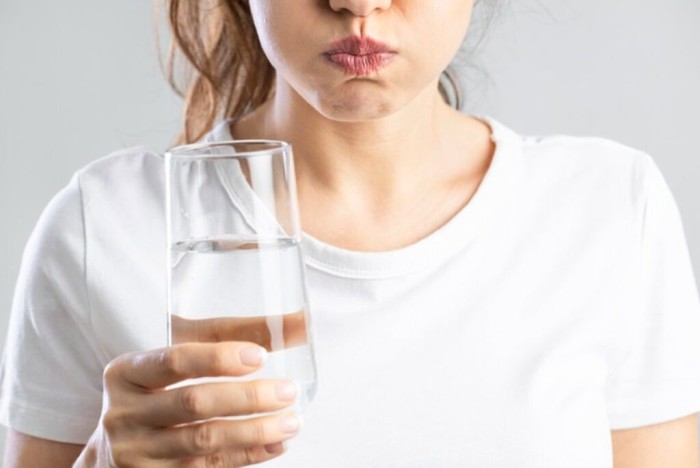
- Rinse with water to help clear pigments and acids from your mouth.
- Continue your usual oral hygiene routine, including brushing with fluoride toothpaste and flossing.
- Pay attention to sensitivity. If a food or drink causes discomfort, avoid it temporarily until your teeth feel better.
When Should You See Your Dentist?
Mild, temporary sensitivity is common after whitening. Contact your dental hygienist if you develop severe or unusual pain, sensitivity that is getting worse or not improving, or any other unexpected symptoms.
If you have questions about eating after whitening or develop any concerns following treatment, Dr. Sasan Shahrbandi at Pape Dental Centre can help you manage it easily. He has over 20 years of experience and is a member of the RCDSO and ODA. We offer professional in-office and take-home teeth whitening, as well as personalized post-treatment guidance and support if you experience sensitivity or other concerns. You can visit us at 759 Pape Ave, Toronto, ON M4K 3T2, or call us at (647) 250-9685.
FAQ
Can I drink water immediately after teeth whitening?
Yes. Water is the simplest and safest choice right away.
Does a white diet actually make teeth whitening last longer?
Current evidence suggests it does not. Following a strict white diet does not produce meaningfully better colour results compared with a normal or unrestricted diet.
Do I really need to wait 24 or 48 hours before eating normally?
Many clinical sources recommend a short period of caution with highly pigmented foods, often around 24–48 hours. However, this is not a strict requirement for the whitening to hold. Follow your dentist’s advice and use the short window as a practical precaution if you prefer.
Will one cup of coffee ruin my teeth whitening?
No. One cup is very unlikely to undo your treatment.
Why are my teeth sensitive when I eat or drink after whitening?
Temporary sensitivity is common after whitening. Some foods and drinks, especially very hot, cold or acidic ones, can make that feeling more noticeable for a short time. It usually settles on its own.
Can I brush my teeth normally after eating following whitening?
Yes. Continue your usual routine with a soft toothbrush and fluoride toothpaste. If your gums feel irritated, be gentle and careful for a day or two.
What if my teeth stay sensitive after whitening?
Mild sensitivity that improves is normal. If it is severe, lasts longer than expected, or gets worse, contact your dentist for advice.
Got any questions, tips, or experiences to share about your diet after whitening?
Leave a comment below. We’d love to help you!