
Achieving and maintaining a healthy smile throughout life is a journey, not a destination. At the heart of this journey for many families in Toronto is the invaluable support of a dedicated family dentist. More than just someone you see when a problem arises, the role of a family dentist in preventive care is pivotal, working as your partner to safeguard your family’s oral health for years to come.
Preventive dentistry is the cornerstone of a healthy mouth, focusing on proactive measures to avoid dental issues before they become serious. This approach not only saves you discomfort and potential complications but also often saves you money in the long run. Let’s delve into the comprehensive role of a family dentist in ensuring a lifetime of healthy smiles for every member of your household.
What Exactly is Preventive Dental Care?
Preventive dentistry encompasses all the practices and services designed to prevent oral diseases like cavities, gum disease, and enamel wear. It’s about maintaining excellent oral hygiene and catching potential issues early. These preventive dental care services are crucial for keeping your teeth and gums healthy and strong. Dental cleaning, dental scaling, and oral examinations are only a few examples of preventive dentistry.
This proactive approach involves a combination of professional dental treatments and diligent at-home care. When you commit to preventive care, you are actively working to preserve your natural teeth and avoid more extensive, invasive, and costly procedures in the future.
Family Dentist vs. General Dentist
While often used interchangeably, there’s a subtle but significant difference when discussing a general dentist versus a family dentist in Toronto. A general dentist typically focuses on patients of all ages but might not specialize in the unique developmental needs of children. A family dentist, however, is specifically trained and equipped to provide comprehensive dental care for patients of all ages, from toddlers to seniors.
This means a family dental practice, like Pape Dental Centre, is designed to be a one-stop solution for your entire family’s oral health needs. They understand the specific requirements for children’s preventive dentistry, the challenges faced by adults, and the unique considerations for seniors, offering a seamless and consistent care experience for everyone under one roof.
The Role of a Family Dentist in Preventive Care
The role of a family dentist in preventive care goes far beyond just fixing problems. They are educators, diagnosticians, and partners in your long-term oral health strategy.

Here’s how they actively contribute to your family’s well-being:
Regular Check-ups and Cleanings
The importance of dental check-ups cannot be overstated. These routine visits, typically every six months, are fundamental to preventive care. During a check-up, your family dentist will perform a thorough examination of your teeth, gums, and mouth, looking for any signs of decay, gum disease, or other oral health issues.
Professional cleanings remove plaque and tartar buildup that regular brushing and flossing can’t effectively eliminate. This process significantly reduces the risk of cavities and gum inflammation, keeping your smile bright and healthy.
Early Detection and Intervention
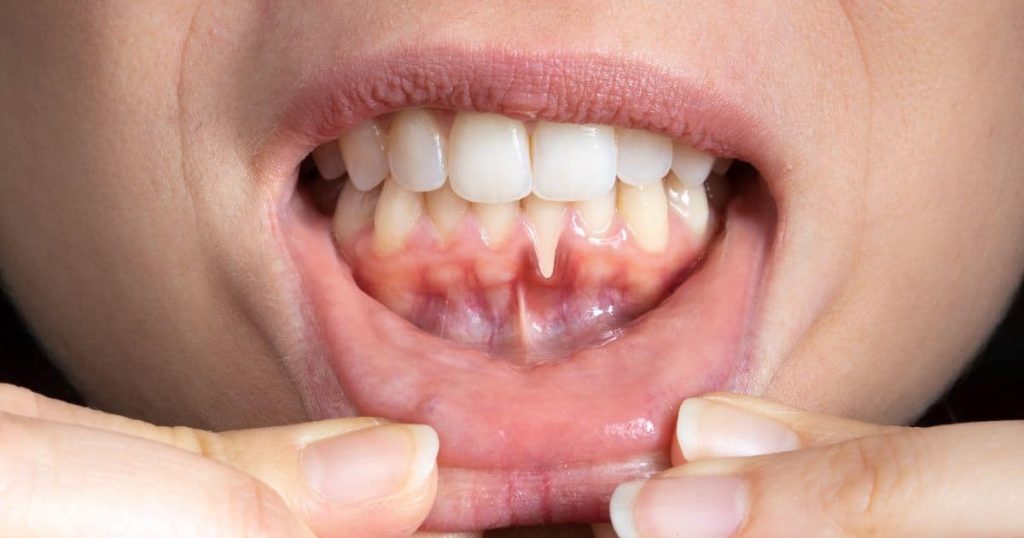
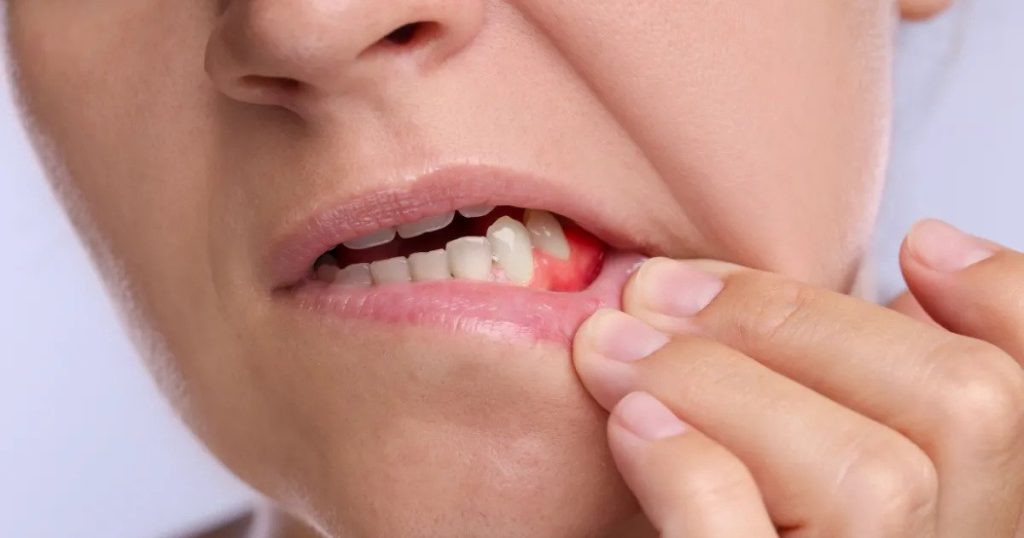
One of the most critical aspects of a family dentist’s role is the early detection of potential problems. Issues like small cavities, early signs of gum disease, or even orthodontic concerns can be identified and addressed before they escalate. Early intervention often means simpler, less invasive, and more affordable treatments.
Your dentist can also screen for more serious conditions, such as oral cancer, during routine oral cancer examinations. According to a study published by NIH, oral cancer is the 11th most common cancer in the world. Early detection of this issue has a great effect on survival rates, exceeding 80% for localized cancers.
These routine examinations provide peace of mind and, if necessary, facilitate prompt medical attention.
Personalized Treatment Plans
Every patient is unique, and so are their oral health needs. A family dentist develops personalized preventive care plans tailored to each individual’s risk factors, age, and dental history. This might include recommendations for specific fluoride treatments, dental sealants for kids, or advice on managing conditions like teeth grinding.
For families, this means cohesive and consistent care, ensuring that each member receives the most appropriate and effective preventive strategies.
Education and Guidance
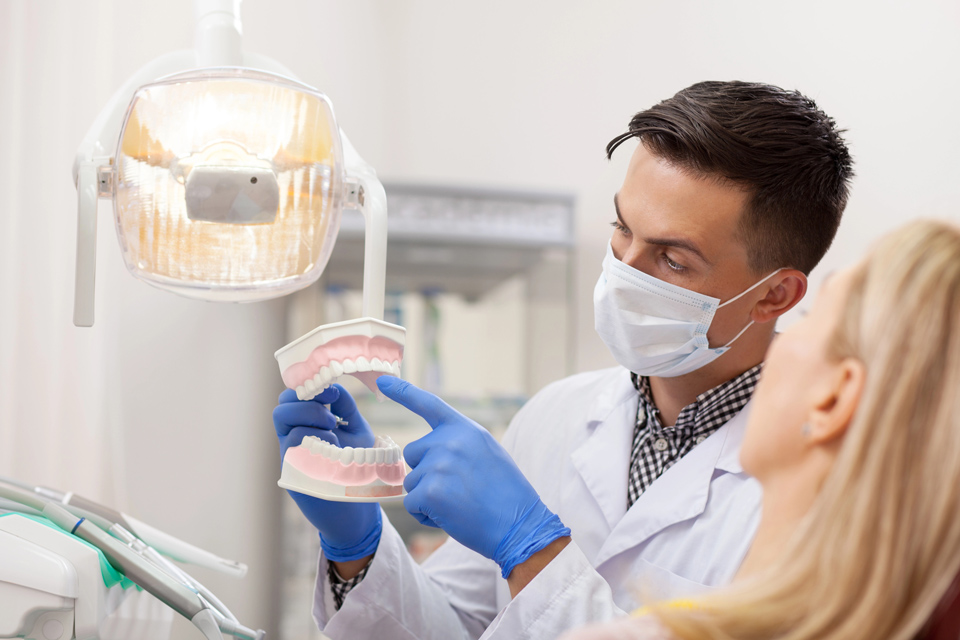
Empowering patients with knowledge is a key part of preventive care. Your family dentist and their team provide essential education on proper oral hygiene tips, demonstrating effective brushing and flossing techniques. They also offer guidance on lifestyle factors that impact oral health, such as the effects of sugar and acidic foods on teeth.
Understanding how diet preventive dental care works and receiving professional advice helps you make informed choices that contribute to better oral health every day.
Book Your Family’s Check-up Today
Partner with Pape Dental Centre for comprehensive preventive care and a lifetime of healthy smiles.
Book your appointment now!
Preventive Care Across All Ages
A family dentist’s expertise shines in their ability to cater to the diverse needs of different age groups. The approach to preventive care evolves as we grow, and your family dentist is equipped to handle each stage.
Children and Teens
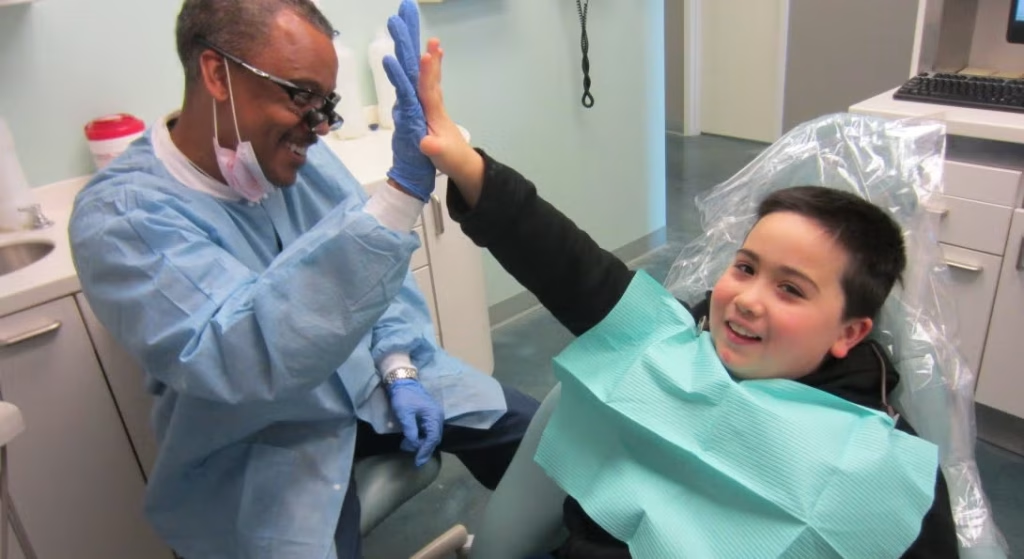
Children’s preventive dentistry starts early, often with the first dental visit by their first birthday. For young patients, preventive measures focus on teaching good habits, monitoring dental development, and protecting vulnerable teeth. Dental sealants for kids are a highly effective way to prevent cavities on the chewing surfaces of molars, while fluoride treatment benefits strengthen enamel against decay.
Regular check-ups also allow the dentist to track jaw growth and tooth eruption, addressing potential orthodontic issues early on.
Adults
For adults, preventive care continues to focus on preventing cavities and gum disease. However, it also expands to address issues like teeth grinding (bruxism), sensitivity, and the maintenance of existing restorations like fillings and crowns. Regular screenings for oral cancer and discussions about lifestyle factors like smoking or certain medications are also crucial.
Maintaining good oral health as an adult is vital for overall systemic health, as issues like gum disease have been linked to heart disease and diabetes.
Seniors
As individuals age, unique oral health challenges can arise. These may include dry mouth (xerostomia), root decay, and issues related to dentures or other dental prosthetics. Preventive care for seniors emphasizes managing these conditions, ensuring comfort, and preserving remaining natural teeth.

Your family dentist can provide guidance on specialized cleaning techniques and products to address age-related concerns. Regular visits help monitor changes in oral health that might be linked to systemic health conditions or medications.
The Long-Term Benefits of Partnering with a Family Dentist
The decision to partner with a family dentist for consistent preventive care yields a multitude of long-term benefits for your entire family:
- Familiar and Consistent Care: Having one trusted family dental care Toronto provider who knows your family’s history ensures continuity of care and a comfortable experience.
- Reduced Risk of Major Dental Problems: Regular check-ups and cleanings significantly prevent cavities, gum disease, and other serious issues.
- Cost Savings: Addressing minor issues early is always less expensive than treating advanced decay or gum disease.
- Improved Overall Health: Oral health is intrinsically linked to general health. A healthy mouth contributes to a healthier body.
- Stronger, Healthier Teeth: Preventive measures help maintain the integrity and longevity of your natural teeth.
- Early Detection of Other Health Issues: Your dentist can sometimes spot signs of systemic diseases, like diabetes or heart disease, during an oral exam.
- Enhanced Confidence: A healthy, beautiful smile boosts self-esteem and confidence in social and professional settings.
At-Home Preventive Care: Your Daily Contribution
While your family dentist provides professional guidance and treatments, your daily habits at home are equally vital in preventive care. Here are some essential oral hygiene tips:
- Brush Twice Daily: Use a fluoride toothpaste and a soft-bristled brush, cleaning all surfaces of your teeth for two minutes each time.
- Floss Daily: Flossing removes food particles and plaque from between your teeth and under the gumline, areas your toothbrush can’t reach.
- Rinse with Mouthwash: An antiseptic or fluoride mouthwash can provide an extra layer of protection against bacteria and strengthen enamel.
- Eat a Balanced Diet: Limit sugary snacks and drinks, and incorporate plenty of fruits, vegetables, and whole grains. This is a crucial aspect of diet preventive dental care.
- Stay Hydrated: Drinking plenty of water, especially after meals, helps rinse away food particles and neutralize acids.
- Avoid Tobacco Products: Smoking and chewing tobacco significantly increase the risk of gum disease, oral cancer, and other oral health problems.
How Often Should You Visit Your Family Dentist?
The general recommendation for how often dental preventive care visits are needed is every six months. However, this can vary based on individual risk factors. If you have a history of cavities, gum disease, or other oral health concerns, your family dentist might recommend more frequent visits. Conversely, if your oral health is consistently excellent, annual visits might suffice, though biannual checks are generally preferred for optimal prevention.
Your family dentist will provide a personalized recommendation based on your specific needs and oral health status, ensuring you receive the right frequency of care to maintain your best smile.
Conclusion
The role of a family dentist in preventive care is foundational to a lifetime of healthy, confident smiles. From the earliest dental visits in childhood to managing the unique needs of seniors, your family dentist acts as a dedicated partner, providing expert care, personalized guidance, and essential education.
By embracing consistent preventive dentistry, both at home and through regular visits to a trusted practice like Pape Dental Centre, you empower your family to enjoy optimal oral health and all the benefits that come with it.
Don’t wait for a problem to arise. Take a proactive step towards lasting oral wellness for your entire family today.
FAQ
What is the primary goal of preventive dentistry?
The primary goal is to maintain good oral health by preventing common dental problems like cavities, gum disease, and enamel erosion, thereby preserving your natural teeth and avoiding more extensive treatments.
How does diet impact preventive dental care?
Your diet plays a significant role. Sugary and acidic foods contribute to tooth decay and erosion. A diet rich in fruits, vegetables, lean proteins, and dairy products helps strengthen teeth and gums, supporting your preventive efforts.
Can preventive care help with bad breath?
Yes, absolutely. Bad breath (halitosis) is often caused by bacteria in the mouth, plaque buildup, or gum disease. Regular professional cleanings and diligent at-home oral hygiene, guided by your family dentist, can significantly reduce or eliminate bad breath.
When is late to start preventive dental care?
It’s never too late to start prioritizing preventive dental care. While starting early offers the most benefits, adopting preventive habits and seeking regular dental care at any age can dramatically improve your oral health and prevent future problems.
We’d love to hear from you! Share your experiences with family dentistry in Toronto, or ask any questions in the comments below.