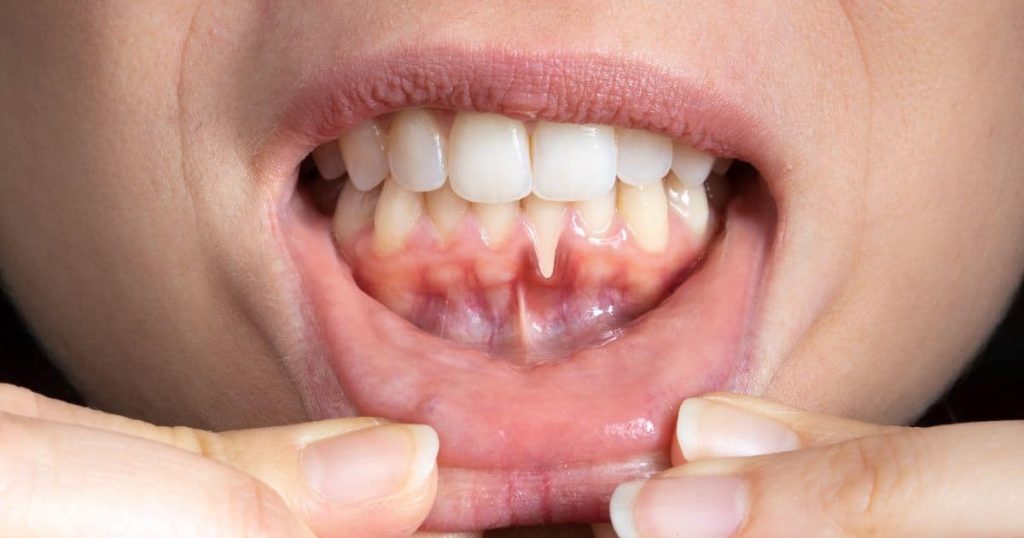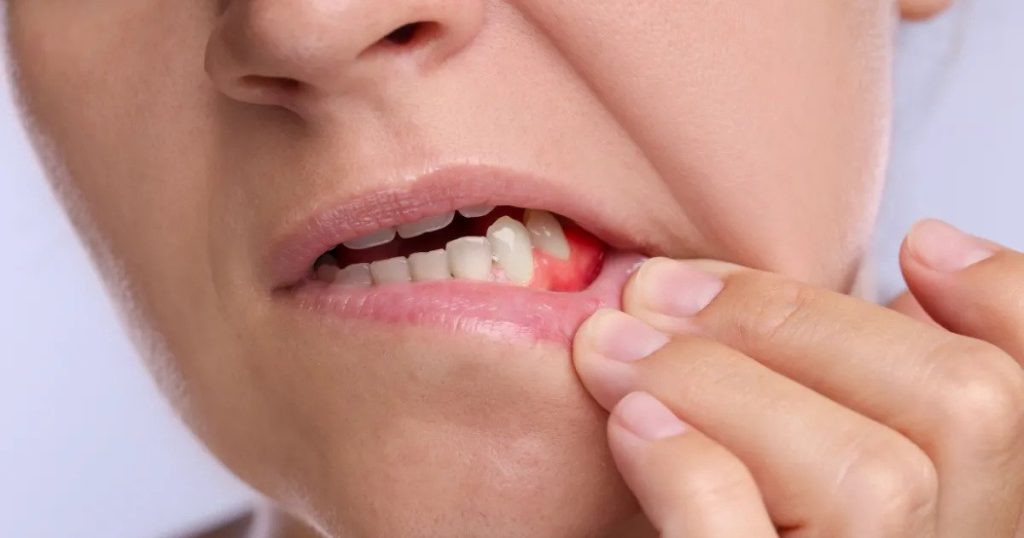

A persistent toothache, sudden swelling, or a bad taste in your mouth might seem minor at first, but these can be signs of a tooth abscess. One important thing to know is that tooth abscesses are treatable, especially when you recognize tooth abscess symptoms early and take the right action before the infection becomes more serious.
In many cases, an oral examination is the first and most important step in understanding what’s really going on and choosing the right treatment.
In this guide, you’ll learn about the different tooth abscess stages, the most common symptoms to watch for, available treatment options, and when it’s time to seek urgent dental care. Keep reading to understand how to protect your oral health and avoid more serious problems later on.
What is a Tooth Abscess?
A tooth abscess is a pocket of pus that forms due to a bacterial infection in or around a tooth. It happens when bacteria reach the inner parts of the tooth or the surrounding gum tissue, and your body tries to fight the infection.
There are two main types you should know:
- Periapical Abscess: This occurs at the tip of the tooth root, usually when decay or injury reaches the pulp (the soft tissue inside the tooth) and causes it to die.
- Periodontal Abscess: This develops in the gums beside the tooth root, often related to gum disease (gingivitis) or trapped food/debris between the tooth and gum.
Why early detection matters:
The sooner you recognize a tooth abscess, the easier and less painful the treatment will be. If left untreated, the infection can spread to other areas of your mouth, face, or even your body. Catching it early can often save your tooth and prevent serious complications.
Read more: Common Dental Problems and How to Prevent Them

Causes and Risk Factors
The most common cause of a tooth abscess is untreated tooth decay that allows bacteria to reach the inner pulp of the tooth. Other frequent causes include a cracked or broken tooth, dental trauma, or failed previous dental treatments such as a root canal or crown.
Advanced gum disease can also lead to a periodontal abscess by creating deep pockets where bacteria collect.
Risk factors that increase your chances include:
- Poor oral hygiene (infrequent brushing and flossing)
- High-sugar diet
- Smoking or tobacco use
- Dry mouth
- Medical conditions like diabetes or a weakened immune system
By understanding these causes and risk factors, you can take steps to protect your teeth and reduce the likelihood of developing an abscess.

The 4 Stages of Tooth Abscess: Symptoms, Treatments, and What to Do
Understanding the four stages of a tooth abscess helps you recognize how far the infection has progressed and take the most appropriate action at the right time. Each stage has distinct symptoms and requires different tooth abscess treatment to control the infection effectively and prevent it from worsening.
Here’s a quick overview of the four stages of a tooth abscess so you can easily understand how the condition progresses at a glance:
| Stage | Key Symptoms | Treatment / Action |
| Stage 1: Enamel & Dentin Decay | Mild sensitivity to hot/cold/sweets, no constant pain or swelling | Dental filling, possible crown if needed, preventive care and check-up |
| Stage 2: Pulp Infection & Necrosis | Spontaneous or throbbing pain, lingering sensitivity, night pain, pain when chewing | Root canal treatment or restoration (filling/crown), dental evaluation ASAP |
| Stage 3: Abscess Formation | Severe constant pain, gum/facial swelling, pus discharge, bad taste, pressure pain | Drainage of abscess, root canal treatment or extraction, possible antibiotics |
| Stage 4: Spread of Infection (Severe) | Facial/neck swelling, fever, difficulty swallowing, severe pain, possible breathing issues | Emergency dental or hospital care, drainage, IV antibiotics, extraction if necessary |
Now that you have a clear summary, let’s go through each stage in detail to better understand the symptoms, treatment options, and what you should do at each step.
Stage 1: Enamel and Dentin Decay (Early Stage)
In the first stage, tooth decay has broken through the outer enamel and reached the dentin layer, but it has not yet entered the pulp (the nerve center of the tooth). At this point, an abscess has not formed yet, but the tooth is at high risk if the decay is not treated.
Common Symptoms: You may notice mild to moderate sensitivity to hot, cold, or sweet foods and drinks. There is usually no constant pain or swelling. Some people feel nothing at all.
Recommended Treatments:
At this stage, tooth abscess treatment is usually simple and focused on stopping the decay before it reaches the inner tooth. In most cases, your dentist can remove the decayed area and restore the tooth with a small dental filling.
If the cavity is detected very early, fluoride treatment or close monitoring may sometimes help slow or stop further decay. Your dentist may also recommend improving daily oral hygiene habits and reducing sugar intake to prevent the problem from progressing.
What You Should Do: It’s better to visit your dental hygienist and get a checkup after you notice any sensitivity or see a dark spot on your tooth. Early diagnosis and treatment at this stage is quick, affordable, and can completely prevent an abscess from developing. Good oral hygiene at home (brushing twice a day and flossing) is also very important to stop further decay.
Stage 2: Pulp Infection and Necrosis
In Stage 2, the decay has reached the pulp. The soft inner tissue that contains the tooth’s nerves and blood vessels. The pulp becomes infected and often starts to die (necrosis). At this point, the infection is still inside the tooth, but an abscess has not yet formed.
Common Symptoms:
- Sharp or throbbing pain that comes and goes or happens spontaneously
- Sensitivity to hot or cold that lingers even after the stimulus is removed
- Pain that may wake you up at night
- Discomfort when biting or chewing
- Sometimes no visible swelling yet
Recommended Treatments:
At this early stage, the tooth abscess treatment is usually straightforward and highly effective. Your dentist will remove the decayed portion of the tooth and restore it with a durable dental filling (composite resin). If a significant amount of tooth structure has been lost, a custom crown may be recommended to provide full protection and restore strength.
In very rare cases where the decay is extremely deep but has not yet reached the pulp, your dentist might suggest a pulp capping procedure.
What You Should Do: Do not ignore the pain or wait for it to go away. See a dentist as soon as possible. Treating the tooth at this stage can often save it. Avoid taking painkillers for a long time to “numb” the pain and delay your visit; this only allows the infection to progress further.
Learn more about how pulp infection develops and how it is treated in detail in our guide on pulpitis treatment in Toronto:
Reversible and Irreversible Pulpitis Treatment: A Dentist’s Guide
Don’t Ignore Tooth Abscess Symptoms
What may start as mild sensitivity or discomfort can quickly turn into a serious dental infection if left untreated. Early diagnosis and timely treatment can help prevent severe pain, swelling, and tooth loss.
Our team at Pape Dental Centre focuses on identifying the source of infection and creating a treatment plan that not only relieves pain but also helps protect your teeth and gums from further damage.
Book your appointment today!
Stage 3: Abscess Formation
In Stage 3, the infection has reached the pulp and has now moved beyond the tooth root, forming a pocket of pus (abscess). This is the stage where a true tooth abscess exists, either at the tip of the root (periapical abscess) or in the surrounding gum tissue (periodontal abscess).
Common Symptoms:
- Severe, constant throbbing pain
- Swelling of the gum or face near the affected tooth
- A pimple-like bump on the gum that may release pus
- Bad taste in the mouth or bad breath
- Sensitivity to pressure when biting
- Possible mild fever or general discomfort
Recommended Treatments:
At this stage, simply filling or medicating the tooth is not enough. Your dentist will usually need to drain the abscess to remove the pus and relieve pressure. The main treatment options include root canal treatment to clean the infection from inside the tooth, followed by a crown.
If the tooth is badly damaged and cannot be saved, tooth extraction (removal) may be necessary.
In some cases, your dentist may prescribe antibiotics to help control the spread of infection, especially if there is visible swelling.
What You Should Do: See a dentist immediately. Do not try to drain the abscess yourself or rely only on painkillers and antibiotics. The sooner you get professional care, the higher the chance of saving the tooth and preventing the infection from spreading to your face, jaw, or body. Avoid hot or cold foods and be gentle when brushing around the area until you receive treatment.
Clinical & Research Insight: Studies on dental infections show that many patients delay visiting the dentist during the early stages, when symptoms are still mild or come and go. Because of this, most people only seek care once the infection has become more severe, with clear pain, swelling, or an abscess. This delay is often linked to not taking early symptoms seriously, which leads to more advanced infection and more complex treatment by the time they get help. (SienceDirect & PubMed)
Related Topic: Gum Abscess: Pictures, Symptoms, Causes, Treatment
Stage 4: Spread of Infection (Severe Stage)
In Stage 4, the infection has moved beyond the tooth and abscess area and is spreading into the surrounding tissues, jawbone, face, or even other parts of the body. This is the most dangerous stage and can become a medical emergency.
Common Symptoms:
- Significant swelling of the face, cheek, or neck
- Severe, constant pain
- High fever, chills, or feeling generally unwell
- Difficulty swallowing or opening your mouth
- Swollen lymph nodes
- In some cases, difficulty breathing (this is a critical emergency)
Recommended Treatments:
Immediate professional intervention is required. Your dentist or oral surgeon will drain the abscess to remove pus and reduce pressure. You will likely need strong antibiotics. In many cases, the tooth will need to be extracted because it cannot be saved. If the swelling is severe or the infection is spreading rapidly, you may need to go to a hospital for intravenous antibiotics and close monitoring.
What You Should Do: Treat this as an absolute emergency. Contact an emergency dentist immediately or go to the nearest emergency room if you have facial swelling, fever, or trouble swallowing/breathing. The faster you get help, the lower the risk of serious complications. Do not rely only on home remedies or oral antibiotics at this stage.
Learn everything about Signs You Might Need an Emergency Root Canal.
Complications if Tooth Abscess Left Untreated
If a tooth abscess is left untreated, the infection can spread beyond the tooth and cause serious problems. These include loss of the affected tooth, infection of the jawbone (osteomyelitis), spread to the sinuses, facial cellulitis, and, in rare but severe cases, life-threatening complications such as sepsis. The longer you delay treatment, the more difficult and expensive it becomes to manage. That is why acting quickly when you notice tooth abscess symptoms is so important. Early treatment can prevent all of these complications and help you save your tooth.
Prevention of Tooth Abscess
The good news is that most tooth abscesses are preventable with good daily habits and regular dental care. Here’s what you can do to protect yourself:
- Brush your teeth twice a day with fluoride toothpaste and floss daily to remove plaque and food particles.
- Visit your dentist for regular check-ups and cleanings (every 6 months, or more frequently if recommended).
- Treat cavities, cracked teeth, or gum problems as soon as they appear. Don’t wait.
- Limit sugary and acidic foods and drinks.
- If you have dry mouth, diabetes, or a weakened immune system, take extra care and visit your dentist more often.
- Quit smoking or using tobacco products, as they significantly increase your risk.
- Wear a mouthguard if you play sports or grind your teeth at night.
By following these simple steps, you can greatly reduce your chances of developing a tooth abscess, especially if you are in a higher-risk group such as older adults, diabetics, or people with gum disease.

Act on Tooth Abscess Symptoms Early
A tooth abscess begins as a localized bacterial infection, but without timely treatment, it can spread rapidly and lead to severe pain, facial swelling, tooth loss, and serious health complications. Paying attention to early warning signs like sensitivity, swelling, or persistent tooth pain can make a major difference. In many cases, getting treatment early helps prevent more complex procedures and improves the chances of saving the tooth.
If you think you may have a tooth abscess, it’s important not to wait for the pain or swelling to get worse. At Pape Dental Centre, our team provides thorough examinations and personalized treatment options to relieve pain, control infection, and restore your oral health as quickly and comfortably as possible.
FAQ
1. Can a tooth abscess go away on its own?
No. A tooth abscess will not heal without professional treatment. Even if pain decreases temporarily (e.g., after rupture), the infection remains and can spread.
2. Will antibiotics alone cure a tooth abscess?
No. Antibiotics may temporarily reduce swelling and pain, but they cannot eliminate the source of infection. Drainage, root canal, or extraction is usually required.
3. How do I know if my tooth abscess is serious or an emergency?
Seek immediate care if you have facial swelling, high fever, difficulty swallowing/breathing, or severe pain. These signs indicate the infection may be spreading.
4. What happens if a tooth abscess bursts?
Pain may temporarily decrease as pus drains, but the infection is still active. You must see a dentist right away to prevent further spread.
5. Can a tooth abscess be life-threatening?
Yes, if left untreated. In rare cases, the infection can spread to the jaw, neck, or bloodstream (sepsis). Prompt dental treatment prevents serious complications.
If you have any questions or personal experiences with tooth abscess symptoms, feel free to share them in the comments below so we can talk about it and help others as well.