
As dentists practicing in Canada, one of the most common things patients ask us is whether Toronto’s tap water is actually safe for their teeth or if they should stick to bottled water. It is a valid concern in an age where we are more conscious than ever about what we put into our bodies. However, when it comes to oral health, there is a significant gap between public perception and clinical reality.
In this article, written by our team of experts, we will go through the effects of Toronto’s tap water on dental health. We will cover the facts and the myths, and we will also give practical solutions.
Is Toronto’s Tap Water Safe?
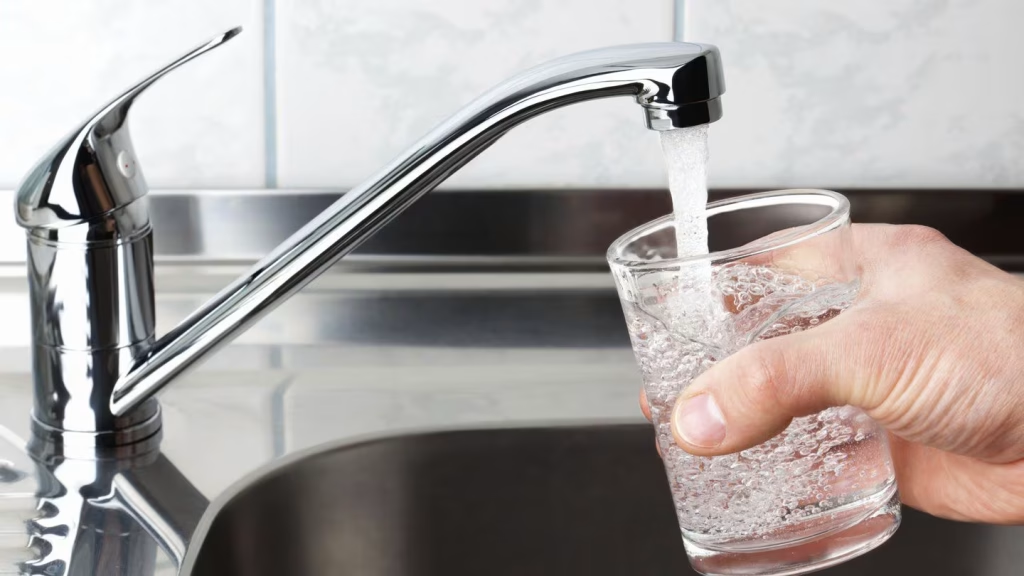
From a professional standpoint, Toronto’s tap water is not just safe; it is one of the most effective public health tools we have for preventing tooth decay. The city’s water is among the most rigorously tested in North America, meeting strict provincial and federal standards.
While some patients worry about the hardness of the water or the slight scent of chlorine used for disinfection, these elements do not harm your teeth. In fact, the treatment process ensures that the water reaching your home is of world-class quality.

Why Fluoride is the “Hero” of Your Tap Water
The real reason we advocate for tap water is controlled fluoridation. In Toronto, the city maintains fluoride levels at approximately 0.6 mg/L. This is a Goldilocks number—high enough to strengthen your enamel but well below the levels that cause aesthetic concerns like fluorosis.
Enamel is not a static shield; it is constantly demineralizing and remineralizing. When you drink fluoridated water, that fluoride incorporates itself into your enamel, making it more resistant to the acids produced by bacteria and sugary foods.
Common Myths vs. Reality about Toronto’s tap water
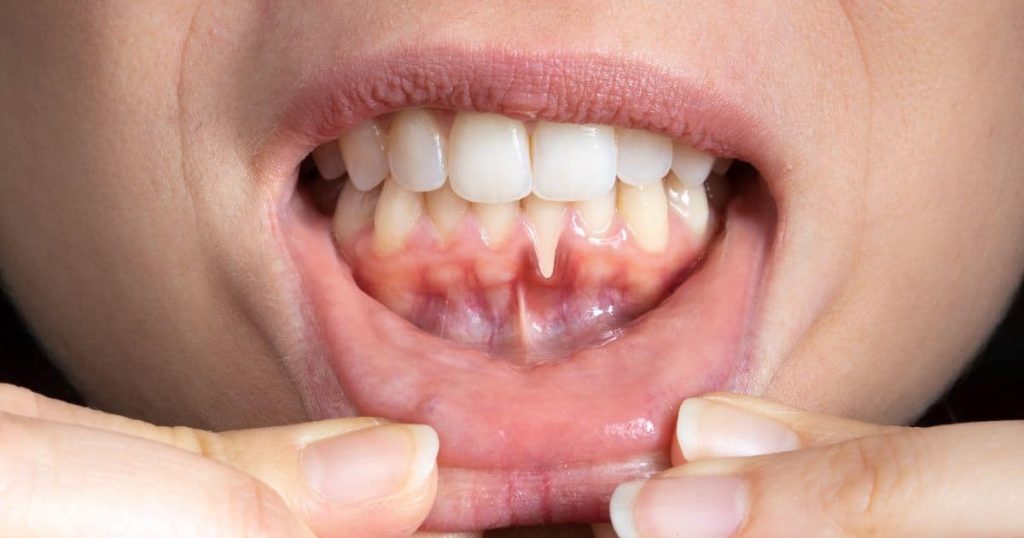
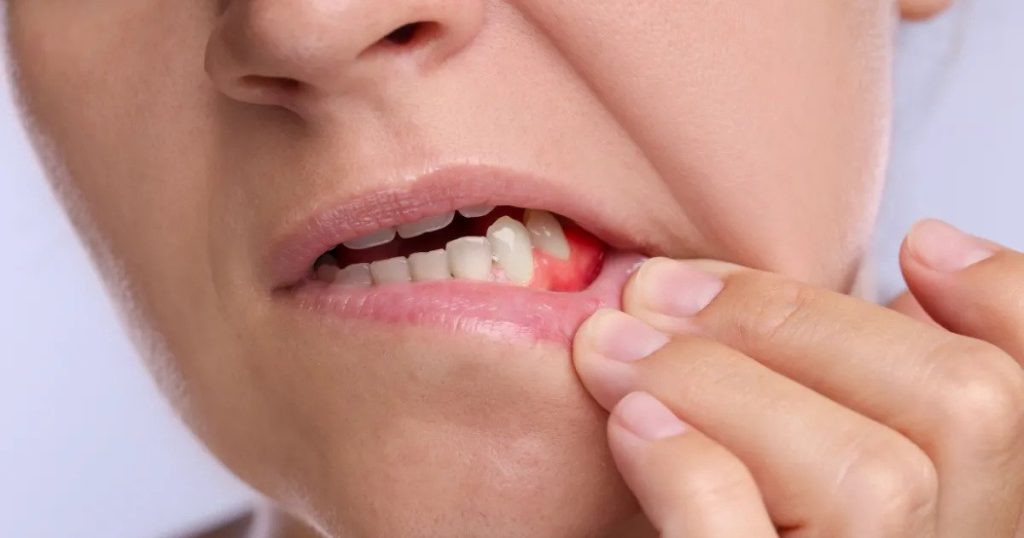
We once had a patient who moved to Toronto from a rural area that relied on private well water. He brushed twice a day and flossed regularly. Yet, within two years of his move, he began developing small cavities between his teeth, ultimately leading to dental fillings. When we sat down to talk, he mentioned he had switched entirely to a bottled water delivery service because he did not trust the city pipes.
By avoiding the tap, he had inadvertently stripped away a constant, low-dose treatment his teeth relied on. Once we got him back on a balance of tap water, his rate of decay stabilized. This highlights the myth that bottled water is healthier; in reality, most bottled brands lack the fluoride your smile needs.
Want to know if your enamel is staying strong?
Book your next cleaning and exam at our clinic today. We are here to help Toronto families keep their smiles healthy and provide the professional care your family deserves.
Book your appointment now!
The medical community at large recognizes the preventive power of our water system. For those interested in the broader scientific data, you can read the official guidance on how fluoride protects human health through community water supplies provided by Health Canada. Their research shows that community water fluoridation reduces tooth decay in children and adults by about 25 to 30 percent.
If you dislike the taste of the tap, simply keeping a pitcher in the fridge for an hour allows the chlorine scent to dissipate naturally without losing the beneficial minerals.
When to Be Careful?
There are specific times when caution is warranted. If you live in a home built before the mid-1950s, you may have lead service pipes. In these cases, we recommend using a filter certified to remove lead. For parents of infants, using tap water for formula is generally safe, but if you have concerns about early fluoride exposure, it is always best to discuss it during a checkup so we can monitor the development of your child’s permanent teeth.
Practical Tips for Patients
To get the most benefit out of our local water, we recommend these daily habits:
- Choose the tap over the bottle: Most bottled waters are stripped of minerals. If you are on the go, fill a reusable stainless steel or glass bottle from your tap to ensure you’re getting your daily dose of enamel-strengthening fluoride.
- Filter for taste, not just purity: If you dislike the taste of chlorine, use a standard carbon filter. These improve the flavor while leaving the beneficial fluoride intact.
- Mind your filter type: If you use a Reverse Osmosis (RO) system, be aware that it removes almost all fluoride. If this is your primary water source, let us know so we can discuss supplemental fluoride treatments for your family.
- The “Fridge Trick”: To remove the scent of chlorine without a filter, keep an open pitcher of water in the fridge for an hour; the chlorine will naturally dissipate into the air.
- Rinse after meals: If you can’t brush immediately after eating, a quick swish of tap water helps neutralize food acids and wash away debris.
- Check your plumbing: If you live in an older Toronto neighborhood (pre-1950s), use an NSF-53 certified filter to protect against lead, which can leach from old service lines.
Conclusion
The relationship between what we drink and our oral health is often overlooked, but the evidence remains clear: Toronto’s tap water is a vital partner in your daily dental routine. While it might seem like a small detail, choosing the tap over bottled alternatives provides a consistent, protective layer of fluoride that actively works to keep your smile resilient.
By the way, while the fluoride available in Toronto’s tap water is a powerful tool for your health, it does not replace the need for regular teeth cleaning and hygiene services in Toronto. Professional care is still essential for removing plaque and tartar that a toothbrush or tap water cannot reach.
Therefore, to ensure your teeth and enamel remain as safe as possible, please do not forget your regular checkups. At Pape Dental Centre, we perform every oral examination using the latest dental technology, allowing us to accurately assess your health and advise you on the best following steps for your specific needs.
FAQ
Is Toronto’s tap water safe to drink every day?
Yes. Toronto’s water is treated to meet or exceed strict provincial and federal safety standards, making it some of the highest-quality drinking water in the world.
Does Toronto add fluoride to the water?
Yes. The city adds fluoride to reach a target level of 0.6 mg/L, which is the optimal amount recommended by health experts to prevent tooth decay.
Will drinking tap water prevent cavities?
While it is not a substitute for brushing and flossing, drinking fluoridated tap water reduces the risk of cavities by approximately 25 to 30 percent for both children and adults.
Is bottled water better for my teeth than tap water?
Generally, no. Most bottled waters are not fluoridated, meaning you miss out on the enamel-strengthening benefits that Toronto’s tap water provides for free.
Does a water filter remove the fluoride my teeth need?
Standard carbon filters do not remove fluoride. However, Reverse Osmosis (RO) systems and some distillers do. If you use an RO system, let us know so we can discuss fluoride supplements.
Can Toronto’s tap water cause white spots on my child’s teeth?
Dental fluorosis (white spots) is very rare at the levels found in Toronto’s water. Most cases of fluorosis come from children swallowing fluoridated toothpaste, rather than from drinking water.
Why does Toronto’s water sometimes taste like chlorine?
Chlorine is used to keep the water safe from bacteria as it travels through pipes. If you dislike the taste, simply let a pitcher of water sit in the fridge for an hour to let the chlorine dissipate.
We’d love to hear from you! Share your experiences with Toronto’s tap water or ask any questions in the comments below.