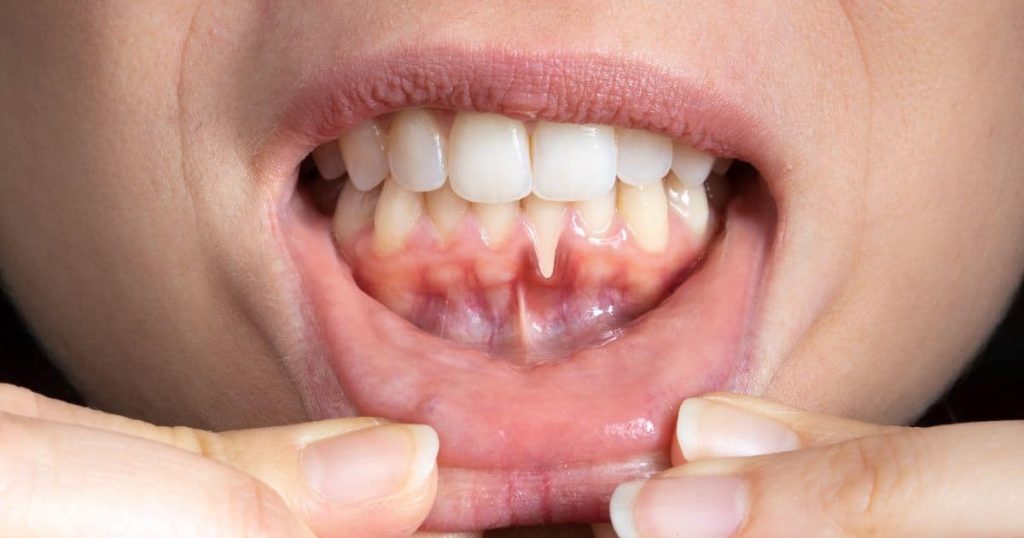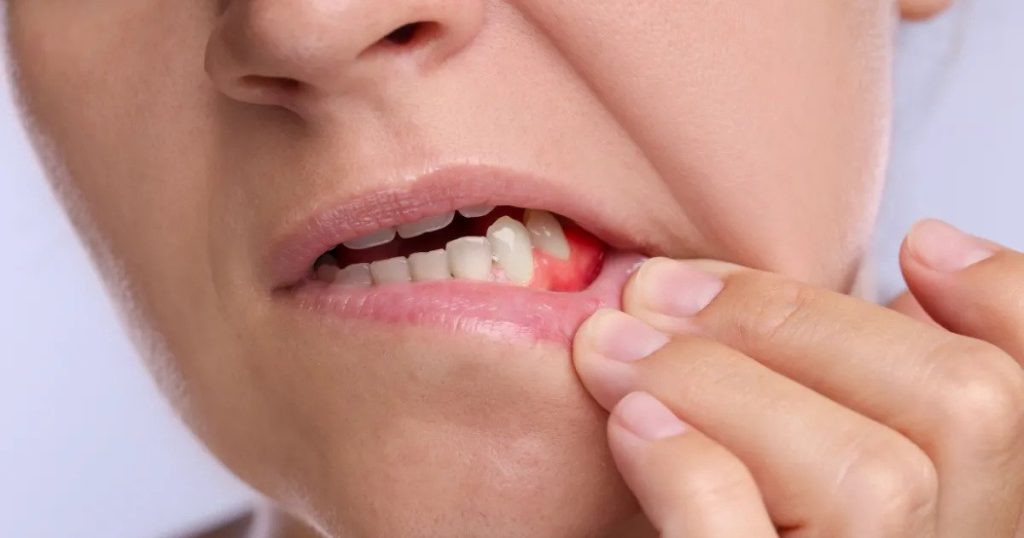

Have you noticed a small piece of gum between your teeth that looks loose, floppy, or like it’s starting to detach? A loose gum flap between teeth is a common issue and often one of the first warning signs that your gums need attention. Fortunately, this condition is highly treatable with proper periodontic care, especially when caught early.
In this article, we’ll walk you through the real causes, key symptoms, and the most effective treatment options available. Keep reading to learn exactly what’s happening in your mouth and what you should do next.
What Is a Loose Gum Flap Between Teeth?
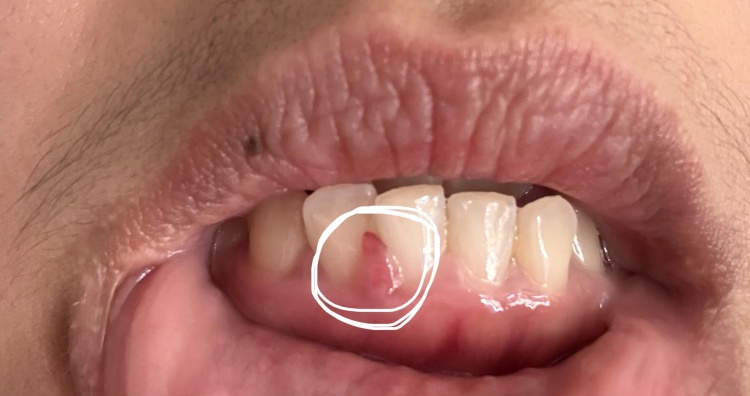
A loose gum flap between teeth (also called a loose papilla) is the small, triangular piece of gum tissue that sits between two adjacent teeth and starts to detach or hang loosely instead of staying snugly attached.
In healthy mouths, this interdental papilla fits tightly against the teeth and bone, creating a natural seal. When it becomes loose, it often signals that the gum is losing its firm attachment, frequently due to underlying issues like plaque buildup or early gum disease. It may look like a small flap or gap where food can easily get trapped.
Common Symptoms of Loose Gum Flap
A loose gum flap between teeth can show up in different ways. Some people notice it early, while others only realize something is wrong when symptoms become more obvious. Paying attention to these signs helps you act before the problem gets worse.
Early Warning Signs You Shouldn’t Ignore
In the beginning, you might experience:
- A visible small flap or loose gum tissue between your teeth that moves slightly when you touch it or floss.
- Mild bleeding when brushing or flossing.
- Food frequently getting stuck between specific teeth.
- Slight redness or puffiness around the gum area.
- A feeling that the gum doesn’t look as tight or firm as before.
These early signs are your body’s way of telling you that the attachment between the gum and teeth is weakening. Even if the symptoms are mild, scheduling an oral examination at this stage is a smart and safe decision.
When the Condition Becomes Serious
You should seek professional care right away if you notice any of the following:
- Persistent bleeding that doesn’t stop easily.
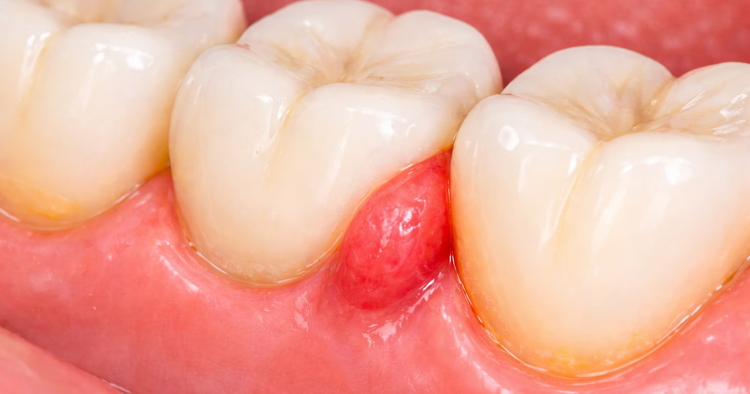
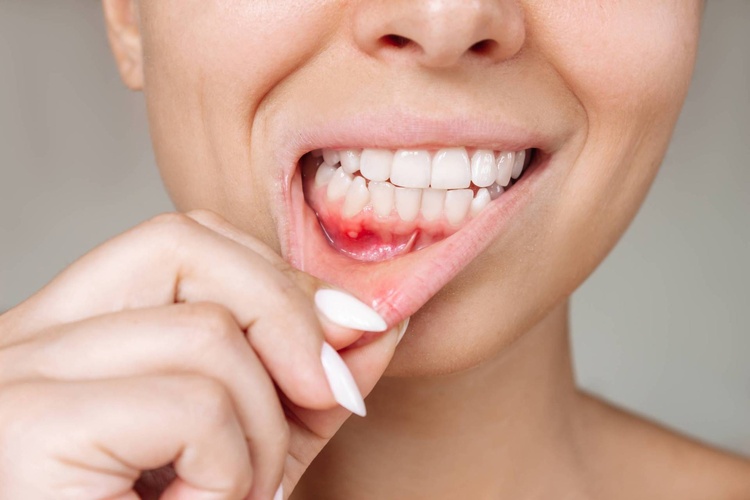
- Swollen, tender, or bright red/purple gums.
- Bad breath that doesn’t go away even after brushing.
- Pain or sensitivity in the area.
- Visible gum recession or the flap becoming more loose and larger.
- Pus coming from the gums or a bad taste in your mouth.
If you have several of these symptoms together, it’s important to see a dentist or periodontist promptly. Early treatment can prevent further damage, including tooth loosening or bone loss.
Main Causes of Loose Gum Flap Between Teeth
A loose gum flap between teeth doesn’t usually happen overnight. It is typically the result of ongoing irritation or damage to the gum tissue. Understanding the main causes can help you identify the problem and prevent it from getting worse.
Gum Disease (Gingivitis and Periodontitis)
The most common cause of a loose gum flap is gum disease. When plaque and tartar build up along the gumline, they trigger inflammation. In the early stage (gingivitis), the gums become red, swollen, and bleed easily. If left untreated, it can progress to periodontitis, where the gum tissue pulls away from the teeth, forming pockets and causing the interdental papilla to loosen or detach. This is why a loose flap is often one of the first visible signs of advancing gum disease.
Evidence-Based Insight: Research from NIDCR indicates that nearly half of adults show some stage of gum disease, highlighting how common and often unnoticed this condition can be.
For more detailed information on gum infections and their treatment, you can read this local guide:
Gum Abscess: Pictures, Symptoms, Causes, Treatment
Other Common Contributing Factors
Several other factors can also lead to a loose gum flap. These can either cause the problem on their own or make existing gum issues much worse. The factors include:
- Poor oral hygiene (inconsistent brushing and flossing)
- Smoking or tobacco use, which weakens gum tissue
- Aggressive brushing or using a hard-bristled toothbrush
- Trauma from food, dental floss, or dental appliances
- Health conditions such as diabetes
- Teeth grinding (bruxism) or bite misalignment (A professional biting, chewing & grinding check can help identify hidden stress on the gums and teeth early)
Related topic: Common Tooth Brushing Mistakes: 10 Frequent Errors and How to Avoid Them
How Is a Loose Gum Flap Between Teeth Diagnosed?
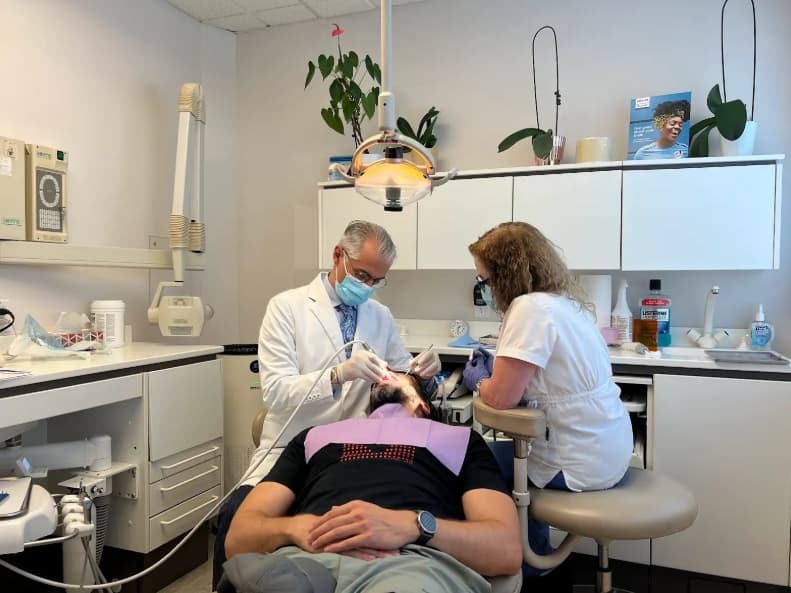
Diagnosing a loose gum flap between teeth is usually straightforward during a routine dental visit or a periodontal examination. Your dentist or periodontist will perform a visual examination and use a small, gentle probe to measure the depth of the spaces (pockets) between your teeth and gums. They will also check for bleeding, inflammation, and how firmly the gum tissue is attached. In some cases, dental X-rays may be taken to see if any bone loss has occurred. This quick assessment helps determine the severity of the issue and the best treatment approach.
Effective Treatments for Loose Gum Flap Between Teeth
The good news is that a loose gum flap is highly treatable, especially when addressed early. Treatment options range from simple in-office procedures to more advanced surgical techniques, depending on how advanced the condition is. The goal is to stop the problem, reattach or restore the gum tissue, and prevent further damage.
Non-Surgical Treatments (Scaling and Root Planing)
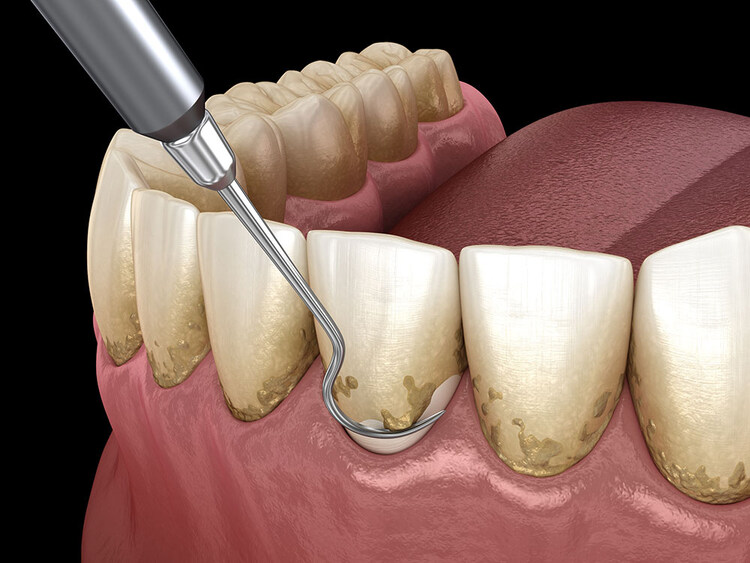
For mild to moderate cases, non-surgical treatment is usually the first and most effective step. This procedure, also known as deep dental cleaning, involves:
- Removing plaque and tartar from above and below the gumline
- Smoothing the roots of the teeth so the gums can reattach properly
- Using local anesthesia for comfort
Clinical evidence: Scaling and root planing can significantly reduce gum pocket depth and improve gum attachment, helping to control inflammation in early to moderate periodontal cases. Many patients see noticeable improvement within a few weeks after the procedure, combined with excellent oral hygiene. (PubMed)
You may find useful: Can You Remove Tartar At Home?
Surgical Solutions (Flap Surgery and Gum Grafting)
If the loose gum flap is more advanced or non-surgical treatment isn’t enough, surgical options may be recommended:
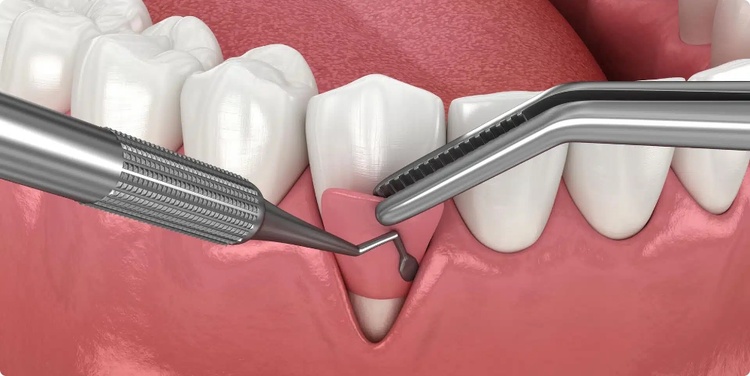
Flap Surgery: The dentist lifts the gum tissue, thoroughly cleans the roots and infected areas, then repositions the gum for a tighter fit. This is very effective for reducing deep pockets and stabilizing loose flaps.
Gum Grafting: In cases where gum tissue has been lost, a small piece of tissue (usually taken from the roof of the mouth) is grafted to the affected area to rebuild the papilla and cover exposed roots.
These procedures help restore both function and appearance while protecting your teeth from further damage.
Medications and Supportive Home Care
Your dentist may prescribe antibiotics or antimicrobial mouth rinses to control infection and reduce inflammation. At home, you should brush gently with a soft toothbrush twice daily and floss carefully or use interdental brushes. You also should use the recommended mouthwash and avoid smoking completely.
Read more: What Is the Best Mouthwash for Bad Breath?
How to Prevent Loose Gum Flap and Maintain Healthy Gums
Preventing a loose gum flap is much easier than treating it. By following a consistent daily routine and making smart habits, you can keep your gums firm, tight, and healthy for years. The key is removing plaque before it causes damage and catching small problems early.
Here are the most effective prevention tips:
- Brush your teeth twice a day for two full minutes using a soft-bristled toothbrush and fluoride toothpaste. Avoid aggressive scrubbing.
- Floss daily or use interdental brushes to clean between teeth where a loose flap often starts (How to floss properly?).
- Visit your dental hygienist for professional cleanings every 6 months (or more frequently if you’re at higher risk).
- Quit smoking or using tobacco products, as they significantly increase the risk of gum problems.
- Manage health conditions like diabetes, which can make gums more vulnerable.
- Eat a balanced diet rich in vitamins C and D to support gum health.
- Replace your toothbrush every 3 months and never use hard-bristle brushes.
- Use an antimicrobial mouthwash if recommended by your dentist.
Read more: How Dental Hygienists Help Prevent Gum Disease
The Bottom Line: Don’t Ignore a Loose Gum Flap
A loose gum flap between teeth is typically an early warning sign of gum inflammation or periodontal disease. Thankfully, it’s highly treatable when you take action early. Most patients see excellent results with the right professional care and improved oral hygiene.
If you’ve noticed this issue or any related symptoms, don’t wait for it to worsen. At Pape Dental Centre, we specialize in effective gum treatments to restore healthy, firm tissue and protect your smile. Feel free to contact us and take the next step toward better oral health.
FAQ
1. Can a loose gum flap between teeth heal on its own?
Mild cases from temporary irritation may improve with better oral hygiene, but most cases related to gum disease need professional treatment and won’t fully heal without it.
2. Is a loose gum flap always a sign of serious gum disease?
Often, yes, it’s commonly linked to gingivitis or periodontitis. However, trauma or poor hygiene can also cause it. A dentist visit is the only way to know for sure.
3. What is the best treatment for a loose gum flap between teeth?
It depends on severity. Many cases improve with deep cleaning (scaling and root planing). Advanced cases may need flap surgery or gum grafting.
4. How can I prevent loose gum flaps from coming back?
Brush and floss properly twice daily, use antibacterial mouthwash, avoid smoking, and visit your dentist regularly for professional cleanings.
5. When should I see a dentist for a loose gum flap?
See a dentist as soon as possible if you notice bleeding, swelling, pain, or the flap lasting more than a few days. Early treatment prevents tooth loss.