
You keep telling yourself it’s “just a rotten tooth,” but when an infection starts spreading, the situation can turn into a real emergency fast; the kind that actually requires an emergency dentist before things spiral out of control.
Here’s the wake-up call: the dangers of rotten teeth don’t stay in your mouth! Every day that tooth sits untreated, bacteria are slipping into your bloodstream, quietly setting the stage for sepsis, heart disease, stroke, or even a trip to the emergency room. We’re going to lay out the 11 real, proven dangers of rotten teeth, and exactly what you (or your dentist) need to do right now to stop them in their tracks.
What Are Rotten Teeth? How Are They Different from Regular Tooth Decay?
When people say “rotten teeth,” they’re usually talking about tooth decay that has gone far beyond the early stages. Tooth decay (also called dental caries) is the scientific term for the process that starts when bacteria feed on sugars and produce acid that slowly dissolves enamel. At first, you might only see white spot on teeth or small cavities; that’s still “tooth decay.”
This early phase is exactly where preventive dentistry makes the biggest difference; regular checkups and cleanings are designed to catch these small changes long before they turn into something more serious.

But when the damage reaches the inner dentin, spreads to the pulp, turns the tooth dark brown or black, causes bad odor, crumbling, or visible holes, most patients (and even dentists in casual conversation) call it a “rotten tooth.”
In short: all rotten teeth are advanced tooth decay, but not all tooth decay has reached the “rotten” stage yet. The difference is severity, and the health risks skyrocket once decay becomes what we commonly call “rotten.”
Major Dangers of Rotten Teeth
A rotten tooth is far more than a cosmetic problem or occasional ache. Once decay reaches the pulp, it becomes an open door for dangerous bacteria to enter your bloodstream and travel throughout your body. This is where the dangers of rotten teeth become a serious threat to your overall health. Here are the 11 most serious health risks you need to know about.
1. Dental Abscess and Facial Swelling
A dental abscess is a pocket of pus that forms when bacteria from a rotten tooth invade the pulp and surrounding tissues. It’s one of the most common and urgent dangers. You’ll feel intense throbbing pain, notice swelling in your face or jaw, red gums, and sometimes a pimple-like bump that leaks foul-tasting fluid. The infection can spread to your cheek, neck, or under your eye in just days, and in advanced cases, it may require oral surgery or even a same-day extraction to drain the infection and protect the airway. In severe cases, swelling blocks your airway (Ludwig’s angina) and becomes life-threatening within hours.
Key fact: Dental abscesses are one of the top reasons people rush to the emergency room; often more frequently than many realize, especially among younger adults.
2. Sepsis and Blood Poisoning
When the bacteria from a rotten tooth escape into your bloodstream, the result can be sepsis (once called blood poisoning). Your immune system goes into overdrive, causing high fever, rapid heartbeat, confusion, and dangerously low blood pressure. This is one of the most alarming dangers of rotten teeth; what starts as simple tooth pain can turn into full-body organ failure within hours. Sepsis from dental infections spreads faster than most people expect because the head and neck have direct highways to the heart and brain.
Key fact: Tooth infections are among the most common preventable causes of sepsis worldwide, and a shocking number of fatal cases occur in children and teenagers who seemed perfectly healthy just days earlier.
Since root canal treatment is one of the key ways to stop a tooth infection from spreading into the bloodstream, it’s worth checking out our guide on Dead Tooth Root Canal Before & After to understand the process and how it can protect your overall health.

3. Bacterial Endocarditis and Heart Disease
Bacteria from a rotten tooth can travel through the bloodstream and attach to the inner lining or valves of your heart, causing bacterial endocarditis. This serious infection damages heart valves, leads to heart failure, or releases clots that can trigger strokes. People with pre-existing heart conditions are at higher risk, but even healthy hearts can be affected. Delaying care gives bacteria more time to enter the bloodstream and reach the heart. Symptoms include fever, fatigue, new heart murmurs, and tiny red spots on the skin.
Note: Untreated dental infections are a well-documented trigger for bacterial endocarditis; in many cases, the only source of bacteria found in the heart is an infected tooth that was ignored for months or years.
4. Brain Abscess and Ludwig’s Angina
In rare but dramatic cases, bacteria from a rotten tooth travel upward through veins or tissue spaces and form a brain abscess; a pocket of pus inside the brain. Symptoms include severe headache, seizures, confusion, and sudden neurological deficits. Even more rapidly, infection from lower teeth can cause Ludwig’s angina: a rock-hard swelling under the tongue and in the neck floor that pushes the tongue upward and blocks the airway. Breathing becomes impossible without emergency surgery.
Warning: Ludwig’s angina from dental infections can kill within hours if the airway closes, and brain abscesses from rotten teeth still carry a high mortality rate even with modern treatment.
5. Stroke and Cardiovascular Problems
Chronic inflammation from rotten teeth keeps your blood vessels in a constant low-grade irritated state. Among the many serious dangers of rotten teeth is that the same bacteria (especially Streptococcus species) that rot teeth also trigger plaque build-up inside arteries and make existing plaques unstable.

This dramatically raises the risk of heart attack and ischemic stroke. Studies reported in AHA Journals show people with severe untreated decay have up to twice the chance of heart attack or stroke compared to those with healthy teeth.
Read more: How Dental Hygienists Help Prevent Gum Disease
6. Worsening Diabetes and Blood Sugar Issues
The relationship between rotten teeth and diabetes works both ways. Severe tooth decay and gum infection create constant inflammation that makes your body more resistant to insulin. For people who already have diabetes, this means blood sugar becomes much harder to control, often requiring higher medication doses. Regular care from a dental hygienist can help reduce this inflammation early, preventing bacteria from spreading and lowering the metabolic stress on the body. At the same time, poorly controlled diabetes slows healing and feeds the bacteria, making existing decay spread faster.
Keep in mind: Dentists and endocrinologists now agree: treating advanced tooth decay is one of the most effective non-drug ways to improve blood-sugar control in diabetic patients.
7. Chronic Kidney Disease
Long-term infection from rotten teeth releases inflammatory chemicals and bacteria into the bloodstream day after day. Over months and years, this chronic inflammation damages the tiny blood vessels inside the kidneys, accelerating the progression of chronic kidney disease (CKD). People with severe untreated decay and gum disease are up to twice as likely to develop CKD or see their existing kidney function decline faster. The link is now so strong that many nephrologists routinely send new patients to the dentist before adjusting dialysis or transplant plans.
Protect Your Health Before It’s Too Late
At Pape Dental Centre, we help you tackle rotten teeth and advanced decay before they turn into serious infections. With prompt emergency care, expert root canal and extraction services, and safe tooth replacement options, you can stop bacteria from spreading and keep your smile and your body healthy.
8. Pneumonia and Respiratory Infections
When you have rotten teeth, you constantly swallow and inhale millions of harmful bacteria. These bacteria can easily reach the lungs, especially if you have weak immunity, smoke, or are elderly. The result: higher risk of aspiration pneumonia, a serious lung infection that often requires hospital admission and IV antibiotics. People with many untreated decayed teeth are more likely to develop pneumonia than those with healthy mouths.
Regular checkups and cleanings can reduce the risk of respiratory infections caused by bacteria from rotten teeth. Learn more about keeping kids’ mouths healthy in our guide on regular dental exams for children.

9. Pregnancy Complications and Low Birth Weight
Bacteria and inflammatory chemicals from rotten teeth travel through the bloodstream and can cross the placenta, triggering early labour, premature birth, and low birth weight babies. One of the most concerning dangers of rotten teeth is the risk to pregnancy outcomes. Studies on Springer show that mothers with severe gum disease linked to advanced tooth decay are more than 6 times more likely to deliver before 37 weeks. Obstetricians now treat poor oral health as a serious pregnancy risk factor, on the same level as smoking or high blood pressure.
Since inflammation of the gums can increase the risk of preterm birth and low birth weight, it’s helpful to check out our guide on gingivitis to learn how to protect your oral health during pregnancy.
10. Osteomyelitis (Jaw Bone Infection)
When infection from a rotten tooth spreads beyond the tooth root, it can invade the surrounding jawbone, causing osteomyelitis; a painful and stubborn bone infection. The jaw becomes swollen, tender, and warm; you may develop fistulas (draining channels) on the gum or face, and sometimes pieces of dead bone work their way out. Treatment is long and difficult: weeks or months of strong IV antibiotics plus surgical removal of infected bone. Without proper care, the infection can destroy large sections of the jaw and spread further.
11. Destroying Your Daily Life
A rotten tooth rarely stays quiet. Constant throbbing or sharp pain disrupts sleep, work, and concentration. The bad breath and dark, broken appearance make many people avoid smiling, speaking up, or even leaving the house, leading to social isolation and plummeting self-esteem. Difficulty chewing forces a soft, high-sugar diet that worsens nutrition and overall health.
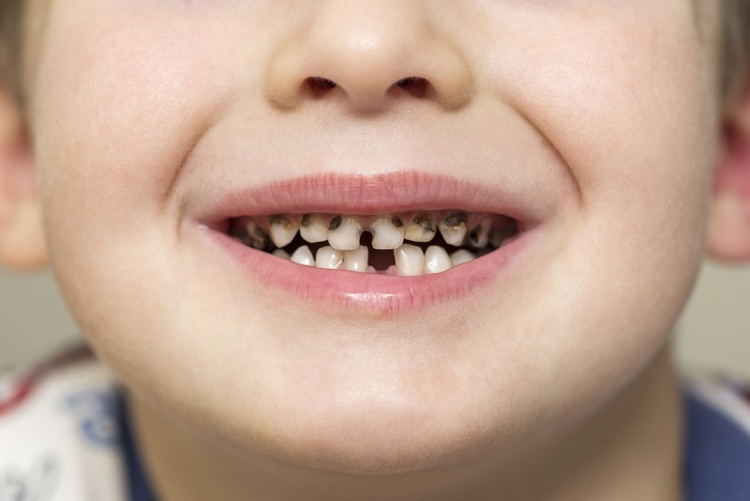
Over time, chronic pain and embarrassment can trigger anxiety, depression, and in severe cases, suicidal thoughts. For many patients, this is the point where they finally turn to restorative dentistry to rebuild function, restore confidence, and prevent the emotional damage from getting worse.
Important: Studies show people with visible severe decay are judged as less trustworthy, less intelligent, and less employable; the psychological and social damage can be as life-altering as the physical dangers.
How Can I Avoid the Dangers of Rotten Teeth?
Where you are right now matters a lot. Rotten teeth don’t appear overnight; they progress through three clear stages. If you’re not sure which stage you’re in, the safest move is to get a professional oral examination this week. A dentist can tell you in five minutes and save you months (or years) of trouble.
Here’s exactly what to do at each stage:
Stage 1: Early decay (white spots, sensitivity, small brown spots, no real pain yet):
- Start (or restart) brushing twice daily with fluoride toothpaste
- Clean between teeth daily (floss or interdental brushes)
Learn how to floss properly! - Dramatically reduce sugary drinks and frequent snacking
- Book a check-up within the next 2–4 weeks. Most early damage can still be reversed or fixed with a simple filling
Stage 2: Moderate decay (visible holes, dark staining, occasional sharp pain or sensitivity to hot/cold):
- Call a dentist this week; don’t wait for constant pain
- A filling, inlay, or crown can still save the tooth and stop the infection from going deeper
- Ask about affordable options if cost is a concern
Stage 3: Rotten teeth / Advanced infection (constant pain, bad taste/smell, swelling, broken or black teeth):
- Treat this as urgent. Phone an emergency dentist today or go straight to the emergency room if you have facial swelling, fever, or trouble swallowing
- Root canal + antibiotics or extraction is usually needed to stop the bacteria spreading to your bloodstream
- Replacement options (implants, bridges, partial dentures) are available so you can eat, smile, and live normally again
If you’re dealing with severe pain or a visibly damaged tooth, acting quickly can make all the difference. Check out our emergency root canal guide to make sure whether you actually need one or not.
If you have kids, check out: 5 Effective Ways to Prevent Cavities in Kids

Your Mouth Doesn’t Have to Be a Time Bomb
A rotten tooth can trigger sepsis, heart disease, stroke, or years of pain and shame; dangers that are real, common, and almost entirely preventable. Whether you’re noticing the first dark spot or already hiding constant pain, one professional visit can stop everything you just read about.
At Pape Dental Centre in Toronto, we handle every stage, from simple fillings to emergency extractions and replacements, with same-day appointments and affordable plans. Don’t wait for the infection to spread. Call us today and protect your smile and your life.
FAQ
Can rotten teeth make you sick?
Yes, bacteria enter the bloodstream and can infect almost any organ, leading to serious or even life-threatening systemic illness.
What happens if you leave a rotten tooth untreated?
The infection spreads to the jaw, face, bloodstream, and distant organs, causing abscesses, sepsis, organ damage, tooth loss, and potentially death.
What are the first signs that a tooth is becoming rotten?
Dark spots, persistent bad breath or taste, sensitivity to sweets/hot/cold, and small holes or rough edges you can feel with your tongue.
How fast can a rotten tooth turn dangerous?
Once the pulp is infected, bacteria can reach the bloodstream in days. Facial swelling or sepsis can develop in as little as 48–72 hours.
Is it safe to pull a rotten tooth at home?
Never. DIY extraction risks massive bleeding, jaw fracture, and spreading infection straight into the bloodstream.
Will antibiotics alone fix a rotten tooth?
No. Antibiotics only control the infection temporarily; the dead tooth must be treated with root canal or extraction.
Which of these 11 dangers scared you the most? What are your main concerns? Drop a comment below and tell us your experience and worries.