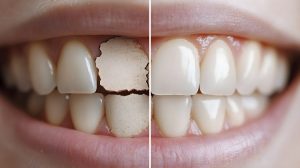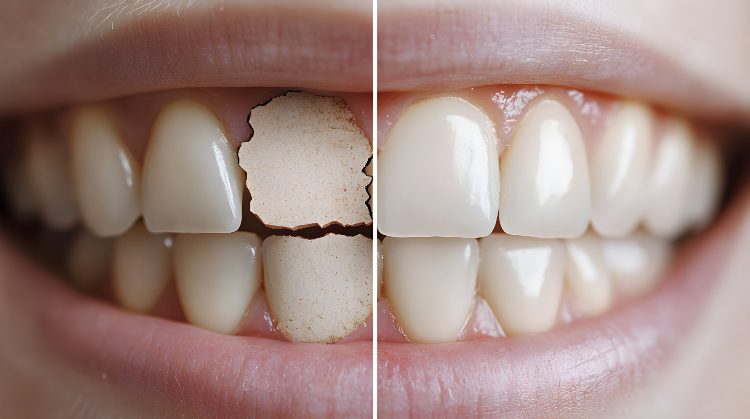
When it comes to repairing damaged or decayed teeth, you have several options. Two common approaches are direct and indirect dental restorations. Understanding the differences in cost, time, and durability can help you make an informed decision about which option is best for you. What are they, and which one is better for you? Stay with us.
What Are Direct Dental Restorations?
Direct dental restorations are completed in a single visit to the dentist. The dentist places the filling material directly into the prepared tooth cavity. This method is typically used for smaller cavities and areas that are easily accessible.
The most common types of direct restorations include:
- Composite Fillings: Made from a tooth-colored resin, composite fillings are a popular choice for their natural appearance. They bond directly to the tooth structure and can be used to repair chips, cracks, or cavities.
- Amalgam Fillings: Also known as silver fillings, amalgam fillings are made from a mixture of metals, including silver, mercury, tin, and copper. They are known for their strength and durability, which makes them a suitable option for molars and areas subject to heavy chewing forces.
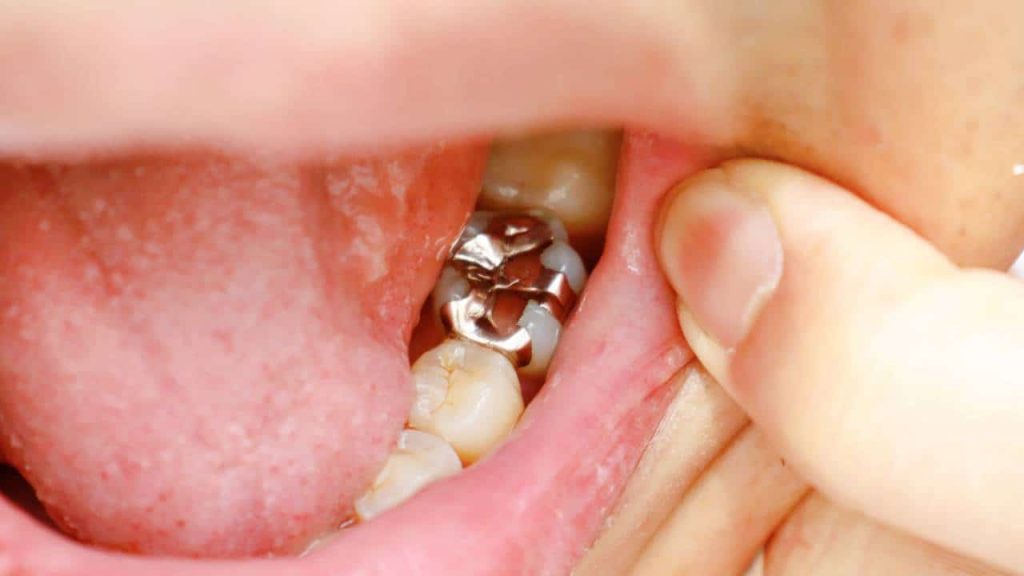
Direct restorations offer the advantage of being quick and convenient. They typically require only one appointment.
What Are Indirect Dental Restorations?
Indirect dental restorations require two or more visits to the dentist. The dentist takes an impression of the prepared tooth, which is then sent to a dental laboratory to create the restoration. In the meantime, a temporary filling is placed to protect the tooth. During the second visit, the indirect restoration is cemented or bonded to the tooth.
Common types of indirect restorations include:
- Inlays: Inlays are similar to fillings but are made outside of the mouth and then cemented into place. They are used to repair damage within the cusps (the raised points) of a tooth.
- Onlays: Onlays are more extensive than inlays and cover one or more cusps of the tooth. They are often used when the damage is too significant for a filling but not severe enough to require a crown.
- Crowns: Dental crowns, also known as caps, cover the entire visible portion of the tooth. They are used to restore teeth that are severely damaged, decayed, or weakened.
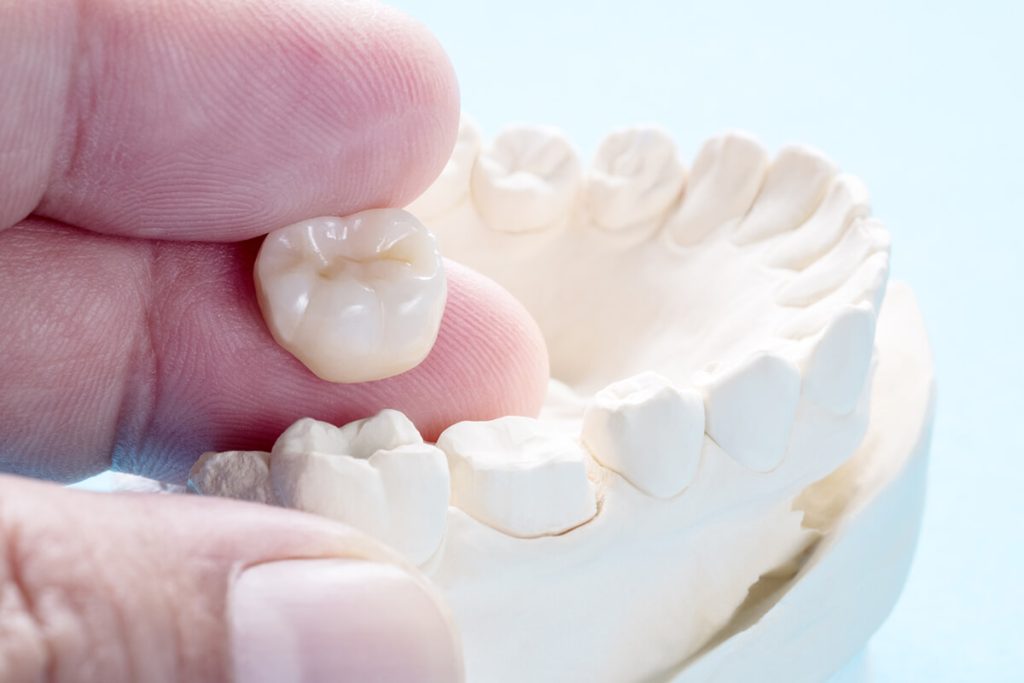
Indirect restorations can be made from various materials, including:
- Porcelain: Porcelain is a popular choice for its natural appearance and durability. It can be matched to the shade of your natural teeth, providing a seamless restoration.
- Gold: Gold is a strong and durable material that is resistant to wear and corrosion. It is often used for molars and other areas subject to heavy chewing forces.
Direct vs. Indirect: Cost Comparison
The cost of direct and indirect dental restorations can vary depending on several factors, including the material used, the extent of the damage, and the dentist’s fees. Generally, direct restorations are less expensive than indirect restorations due to the shorter treatment time and simpler procedure.
Direct Restorations: Composite fillings typically range from $150 to $400 per filling, while amalgam fillings may cost between $100 and $300 per filling. These prices can vary depending on the size and location of the filling.
Indirect Restorations: Inlays and onlays can range from $600 to $1500 per restoration, depending on the material used (e.g., porcelain or gold). Crowns generally cost between $800 and $2000 per tooth, depending on the material and the complexity of the procedure.
We suggest that you discuss the cost of different restoration options with our dentists at Pape Dental Centre to determine the most affordable and appropriate solution for your needs. Also, inquire about payment plans and insurance coverage, including potential benefits under the Canadian Dental Care Plan (CDCP) or provincial dental plans.
Restore Your Smile with the Right Treatment
Choosing between direct and indirect dental restorations depends on many factors, including the condition of your tooth, your long-term goals, and the expenses. At Pape Dental Centre, our experienced team evaluates your situation to recommend the most effective solution. Book your consultation today and take the first step toward a more beautiful smile.
Book your appointment now!
Direct vs. Indirect: Durability
The durability of direct and indirect dental restorations is another important factor to consider. While both types of restorations can effectively restore damaged teeth, their lifespan can vary depending on the material used, the location of the restoration, and the patient’s oral hygiene habits.
Direct Restorations: Composite fillings typically last for 5 to 7 years, while amalgam fillings can last for 10 to 15 years or longer. However, composite fillings are more prone to chipping and staining than amalgam fillings.
Indirect Restorations: Inlays and onlays can last for 10 to 30 years, while crowns can last for 15 years or longer. Porcelain restorations are highly durable and resistant to wear, while gold restorations are known for their exceptional strength and longevity.
Proper oral hygiene, including regular brushing, flossing, and dental check-ups, can help extend the lifespan of any dental restoration.
Direct vs. Indirect: Treatment Time
Treatment time is a significant consideration for many patients. Direct restorations offer the advantage of being completed in a single visit, and save you time and inconvenience. Indirect restorations, on the other hand, require two or more visits, as the restoration is fabricated in a dental laboratory.
Direct Restorations: A composite or amalgam filling can typically be placed in 30 to 60 minutes, depending on the size and complexity of the cavity.
Indirect Restorations: The first visit for an inlay, onlay, or crown involves preparing the tooth, taking an impression, and placing a temporary restoration. This appointment can take 1 to 2 hours. The second visit, during which the permanent restoration is cemented or bonded to the tooth, typically takes 30 to 60 minutes.
Conclusion
The best type of dental restoration for you depends on your individual needs and preferences. Factors to consider include the extent of the damage, the location of the tooth, your budget, and your aesthetic goals. At Pape Dental Centre, our experienced dentists can help you weigh the pros and cons of each option and make an informed decision that is right for you.
It’s crucial to maintain good oral hygiene practices regardless of the type of restoration you choose. This includes brushing at least twice a day, flossing daily, and visiting your dentist regularly for check-ups and cleanings.
FAQ
Are direct fillings noticeable?
Composite fillings are tooth-colored and can be matched to the shade of your natural teeth, making them less noticeable than amalgam fillings.
Are indirect restorations more durable than direct fillings?
Generally, indirect restorations, such as inlays, onlays, and crowns, are more durable than direct fillings due to the materials used and the fabrication process.
How long do indirect restorations last?
Indirect restorations can last for many years with proper care. Inlays and onlays can last for 10 to 30 years, while crowns can last for 15 years or longer.
Is there pain involved in getting a dental restoration?
Local anesthesia is typically used to numb the tooth and the surrounding area during the procedure. Some patients may experience mild sensitivity after the procedure, which can be managed with over-the-counter pain medication.
How do I care for my dental restoration?
Proper oral hygiene is essential for maintaining the health and longevity of your dental restoration. Brush at least twice a day, floss daily, and visit your dentist regularly for check-ups and cleanings.
We’d love to hear from you! Share your experiences or questions about direct and indirect dental restorations in the comments below.