
Do you ever wonder if your daily brushing routine is actually helping or secretly harming your teeth? Many people brush every day but still make common tooth brushing mistakes without realizing it. Maybe you’re brushing too hard, using a hard-bristled toothbrush, or rushing through the two-minute recommendation.
If you’re unsure about your techniques, you can always get guidance from a dental hygienist, and this guide is for you. Keep reading to learn the most frequent mistakes people make and discover simple, practical ways to correct them, so you can protect your teeth and gums for a lifetime.
Why Common Tooth Brushing Mistakes Matter for Your Oral Health
Tooth brushing is your first line of defense against oral problems, but only if it’s done correctly. Common tooth brushing mistakes can prevent plaque from being removed properly, allowing harmful bacteria to build up on teeth and along the gum line. This is why daily habits play a key role in preventive dentistry and long-term oral health.

When plaque isn’t cleaned away effectively, it hardens and irritates the gums, increasing the risk of gingivitis. Over time, this inflammation can lead to bleeding gums, bad breath, and more serious gum disease. Simply put, how you brush matters just as much as how often you brush.
Top 10 Common Tooth Brushing Mistakes You’re Probably Making
Most people brush their teeth every day, but small habits can make a big difference. These common tooth brushing mistakes often happen without noticing and can reduce the effectiveness of your daily oral care routine.
1. Using a Hard Toothbrush Instead of Soft Bristles
Many people think a hard toothbrush cleans teeth better, but this is a common mistake. Hard bristles can wear down tooth enamel over time and irritate the gums, leading to sensitivity and gum recession. When these effects are ignored, the damage can progress silently, making a periodontal examination necessary to assess gum health and detect early signs of inflammation or recession.
The better choice is a soft-bristled toothbrush. Soft bristles are effective at removing plaque while being gentle on enamel and gums. Use light pressure and let the bristles do the work, not force.
2. Brushing Too Hard and Damaging Your Gums
Brushing too hard is a very common habit. Many people apply extra pressure thinking it will clean better, but this can irritate the gums and slowly wear away tooth enamel. Over time, this kind of damage can expose sensitive areas of the tooth, and in some cases, it may become severe enough to require dental bonding to protect the tooth surface and reduce sensitivity.
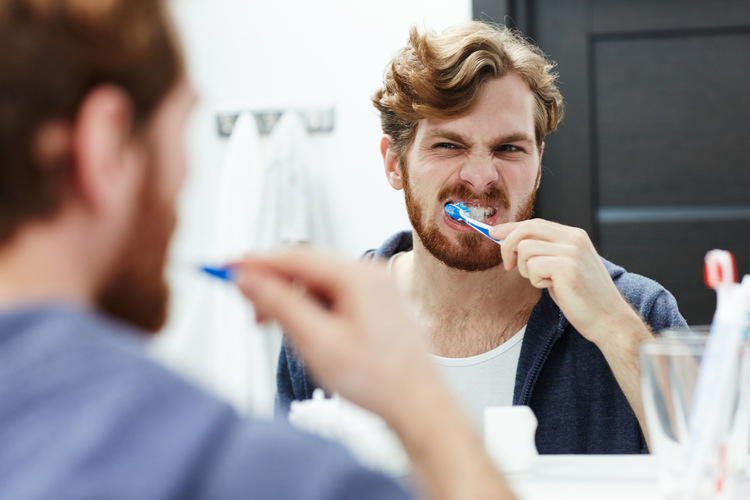
Brushing should be gentle and controlled. Use light pressure with small, circular motions, and focus on cleaning thoroughly rather than forcefully to protect your gums and teeth.
3. Not Brushing for a Full Two Minutes
Brushing too quickly is a common mistake that leaves plaque behind. When you don’t brush long enough, many tooth surfaces, especially hard-to-reach areas, are not cleaned properly.
Dentists recommend brushing for a full two minutes each time, as one of the best practices for daily oral care. Using a timer or an electric toothbrush with a built-in timer can help ensure even and complete cleaning.
4. Keeping the Same Toothbrush for Too Long
Using the same toothbrush for too long reduces how well it cleans your teeth. Over time, bristles become worn and frayed, making them less effective at removing plaque, especially near the gum line. An old toothbrush may also harbor bacteria that can be transferred back into your mouth during brushing.
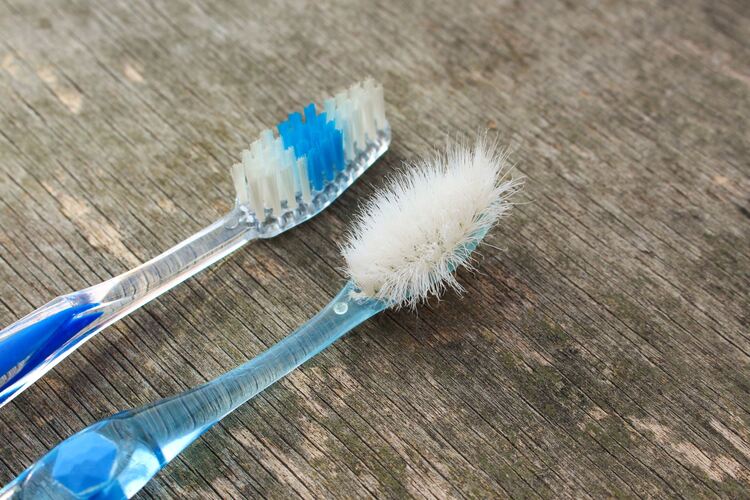
For effective oral hygiene, replace your toothbrush every three to four months, or sooner if the bristles look worn. A fresh toothbrush cleans better and is gentler on both teeth and gums.
Warning: If you’ve recently been sick, continuing to use the same toothbrush or any other oral hygiene tools may reintroduce bacteria into your mouth; replacing it is strongly recommended.
5. Using Back-and-Forth Brushing Motions
Many people brush in a horizontal back-and-forth motion, thinking it’s the most efficient. However, this can miss plaque along the gum line and even wear down enamel over time, especially on the sides of teeth.
Instead, use small circular or gentle sweeping motions. Angling the toothbrush at 45 degrees to the gums helps reach plaque effectively without causing damage. This method cleans more thoroughly and protects both teeth and gums.
Brush Right, Smile Bright!
Don’t wait! Schedule your dental check-up and consultation with a dental hygienist today to review your brushing habits and protect your teeth.
Act now for a healthier smile!
6. Ignoring the Gum Line While Brushing
One of the most common tooth brushing mistakes is focusing only on the visible surfaces of teeth and neglecting the gum line. Plaque tends to accumulate along the gums, and if it’s not removed, it can lead to gingivitis, gum inflammation, and even recession over time. Simply brushing the tops of your teeth is not enough to maintain healthy gums.
To correct this, angle your toothbrush at about 45 degrees toward the gum line and use gentle, circular motions. Make sure to cover every tooth surface, including the area where teeth meet gums, for a complete and effective clean.
7. Brushing Right After Acidic Foods
Brushing immediately after eating or drinking acidic foods and beverages like citrus fruits, soda, or wine can damage tooth enamel. Acid softens enamel temporarily, and brushing too soon can wear it away, increasing sensitivity and decay risk.
To protect your teeth, wait at least 15–30 minutes after consuming acidic foods or drinks. During this time, saliva naturally neutralizes acids and helps re-harden enamel. Rinse your mouth with water in the meantime to reduce acid exposure.
Tip: It’s generally best not to brush immediately after meals. Waiting allows enamel to recover from acid exposure, reducing wear and protecting teeth while still keeping them clean.
8. Skipping Tongue Brushing
Many people forget to clean their tongue, but it’s an important part of oral hygiene. The tongue can harbor bacteria, food particles, and dead cells, which contribute to bad breath, plaque buildup, and even tooth decay if left unchecked. Brushing only the teeth is one of the common tooth brushing mistakes that leaves a significant source of bacteria in the mouth.

To maintain fresh breath and overall oral health, gently brush your tongue every time you brush your teeth. You can use your toothbrush or a dedicated tongue scraper. Start from the back and move forward, covering the entire surface without applying too much pressure.
9. Not Brushing Twice a Day
Brushing less than twice a day allows plaque and bacteria to build up on teeth and along the gum line. Over time, this can lead to cavities, gum inflammation, and bad breath. Skipping brushing in the morning or evening reduces the effectiveness of your daily oral care routine.
To protect your teeth and gums, brush at least twice daily; once in the morning and once before bed. This consistent routine removes plaque, prevents decay, and maintains oral health between dental visits.
The ADA also recommends brushing your teeth twice a day using a soft-bristled toothbrush that fits comfortably in your mouth, so you can easily reach all areas.
Warning Tip: While brushing less than twice daily is not enough, brushing too often can also damage enamel and irritate gums. The key is balance: two gentle, thorough sessions each day provide effective cleaning without causing harm.
10. Using the Wrong Toothpaste or Using It Incorrectly
Many people choose toothpaste without considering their specific dental needs. Some use whitening, tartar-control, or sensitive-toothpaste indiscriminately, without checking if it suits their teeth or gums. Overusing certain types like abrasive whitening pastes can wear down enamel or irritate gums over time.

The right approach is to select a toothpaste that matches your oral health needs, such as fluoride for cavity prevention or a gentle formula for sensitive teeth. Follow the recommended amount (usually a pea-sized dab) and avoid excessive brushing with harsh pastes. Consult your dentist if you’re unsure which toothpaste is best for you.
Read more: Stop These Oral Hygiene Mistakes You May Be Making
Brush Smarter: Build Lifetime Healthy Habits
Avoiding common tooth brushing mistakes is key to maintaining healthy teeth and gums. From using the right toothbrush and toothpaste to brushing gently and consistently, small adjustments in your daily routine can prevent plaque buildup, gum disease, and enamel damage. By understanding and correcting these habits, you set the foundation for a lifetime of strong, healthy smiles.
At Pape Dental Center in Toronto, our experienced team is ready to help you with personalized oral care advice and treatments. If you need guidance on proper brushing techniques or solutions for dental issues, you can trust our specialists to keep your smile healthy and bright.
FAQ
How long should I brush my teeth each time?
Brush for at least two minutes, twice a day. Using a timer helps ensure all tooth surfaces are cleaned properly and plaque is fully removed.
Is brushing too hard really that bad?
Yes. Brushing too hard can wear down enamel and irritate gums. Gentle pressure with small circular motions cleans better and protects your teeth.
When should I replace my toothbrush?
Replace your toothbrush every three to four months, or sooner if the bristles are frayed, to prevent bacterial buildup and ensure effective cleaning.
Should I brush my tongue while brushing teeth?
Yes. Brushing or gently scraping your tongue removes bacteria that cause bad breath and helps improve overall oral hygiene.
Can I brush right after eating?
After acidic foods or drinks, wait 15 to 30 minutes before brushing to allow saliva to neutralize acids and protect tooth enamel.
What’s the best technique for proper tooth brushing?
Hold the toothbrush at a 45-degree angle to the gums and use gentle circular motions. The Bass technique helps clean plaque effectively near the gum line.
Have you noticed any of these brushing mistakes in your own routine? Share your experiences or tips in the comments below. We read every comment and respond!