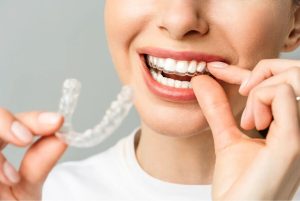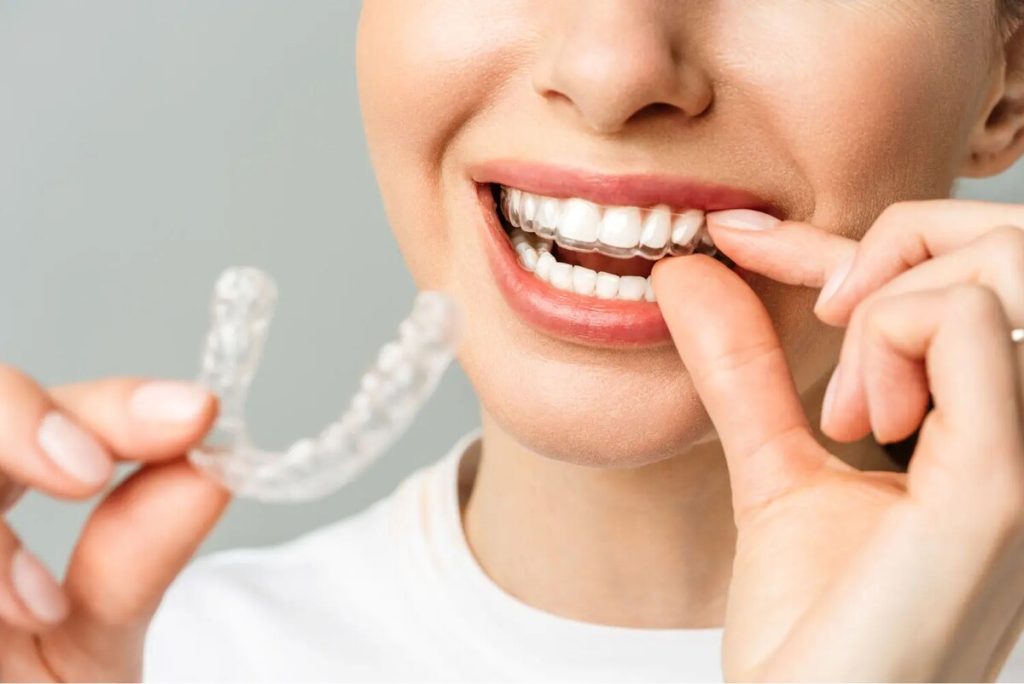
Waking up to a yellow, cloudy night guard in the sink is more common than you think. That stubborn discoloration often appears after just a few weeks of use, especially for anyone grinding their teeth at night. The good news is you can remove yellow stains from a night guard with safe, proven methods; from gentle home soaks to professional ultrasonic cleaning available through dental hygienist services. In some cases, though, deep staining means it’s time for a replacement.
From the causes to professional and home solutions, this guide walks you through every step. Keep reading to restore your night guard’s clarity.
How to Get Rid of Yellow Stains on Your Night Guard
Anyone using a night guard for bruxism will eventually notice yellow stains. It’s a common issue, but the good news is there are both professional and home solutions. We’ll start with the most effective clinical methods and then move to safe at-home options to remove yellow stains from a night guard.
Professional Cleaning: Ultrasonic or Polishing
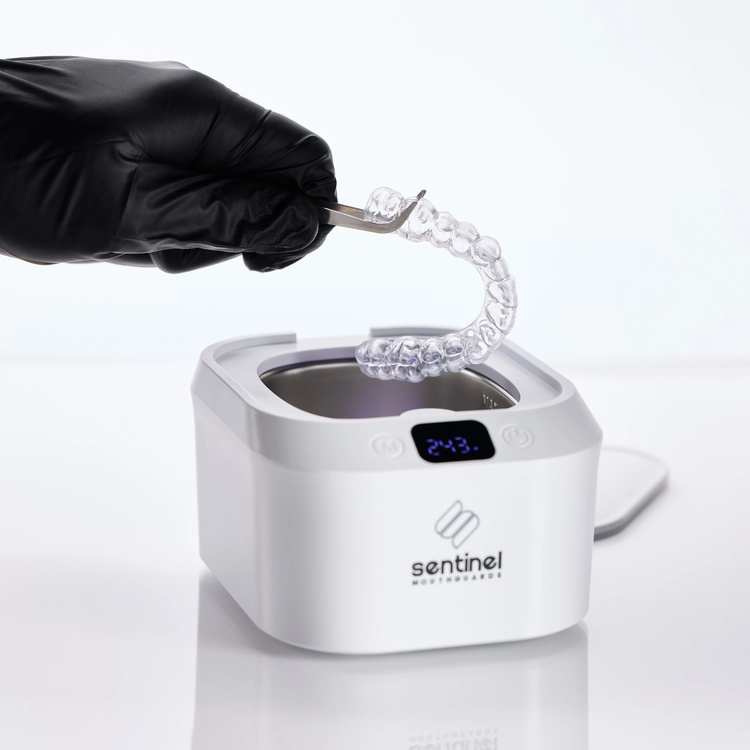
The best way to fully remove yellow stains from a night guard is through ultrasonic cleaning or professional polishing, done by a dental hygienist.
During a regular teeth cleaning appointment, the hygienist places your guard in an ultrasonic device. High-frequency sound waves create tiny bubbles that gently dislodge biofilm, bacteria, and hardened deposits in just 5 to 10 minutes, without damaging the surface. A light polish with a non-abrasive compound then restores its original clarity and smoothness.
This method removes stains that home cleaning can’t reach, kills nearly all bacteria, and helps extend the life of your guard. It’s quick, safe, and can usually be done during your routine hygiene visit.
Denture Cleaner Tablets
Denture cleaner tablets, like Efferdent or Polident, are a dentist-approved option you can use at home.
Fill a glass with warm (not hot) water, drop in one tablet, and let it dissolve completely. Soak your night guard for 15 to 30 minutes, depending on the package instructions. Then rinse thoroughly under cool water and gently brush with a soft toothbrush.
The fizzing action releases oxygen bubbles that loosen yellow biofilm and eliminate odor-causing bacteria. It’s safe for most acrylic and EVA guards, but don’t use it daily; once or twice a week is ideal. You can also see our full guide on cleaners for dental appliances.
Hydrogen Peroxide Soak
For lighter yellow stains, a 3% hydrogen peroxide soak works well and is gentle on the material.
Mix equal parts of 3% hydrogen peroxide and water in a small container. Soak the night guard for 30 minutes, then rinse thoroughly and brush lightly with a soft toothbrush. Let it air-dry completely before storing.
The peroxide breaks down organic stains and disinfects the surface without harming the guard. Always use standard 3% solution from the pharmacy; never higher concentrations.
White Vinegar + Baking Soda
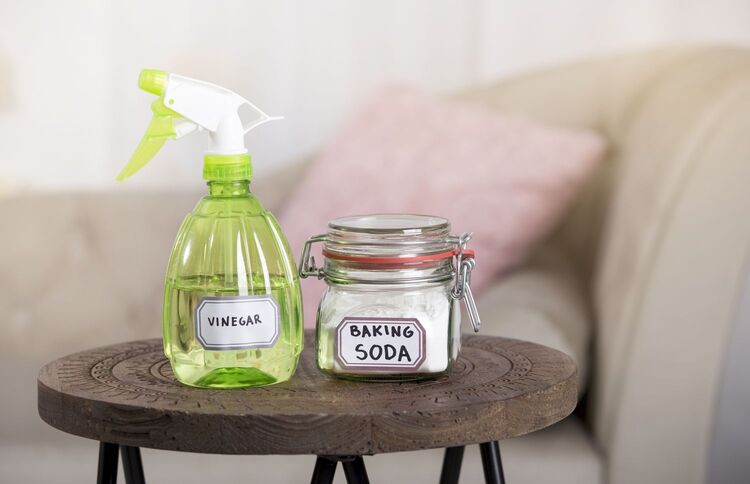
For a natural approach, white vinegar and baking soda make an effective combo. Soak the guard in undiluted white vinegar for about 30 minutes. Then mix baking soda with a few drops of water to form a paste and gently scrub the surface with a soft toothbrush for 1 to 2 minutes. Rinse well and air-dry.
Vinegar dissolves mineral buildup, while baking soda provides mild scrubbing power to lift surface stains. Use this method once a week at most to avoid dulling the finish.
Important Tip: Home methods are helpful for maintenance and light staining, but they’re limited in reach and long-term effectiveness. For complete stain removal, material safety, and lasting results, professional care is essential. Always consult your dentist before trying new cleaning routines, especially if your guard is custom-made or showing signs of wear.
Explore more: Can You Remove Tartar At Home?
Why Does a Night Guard Turn Yellow? And the Hidden Risks of Neglect
Yellowing doesn’t happen overnight; it’s a gradual process caused by everyday factors. Saliva, food particles, and beverages like coffee or red wine leave behind organic residue that sticks to the guard’s surface. Over time, bacteria from your mouth settle in, forming a thin layer of biofilm that hardens into plaque. If the guard isn’t cleaned regularly, this buildup oxidizes and turns yellow, especially in areas exposed to air while you sleep.
The material itself plays a role too. Most night guards are made of acrylic or EVA, which are slightly porous. Without proper care, minerals from saliva (like calcium) can seep in and create cloudy or yellowish deposits. Heat and moisture during storage speed things up; leaving a damp guard in a closed case is a perfect recipe for discoloration.
Skipping regular cleaning does more than affect appearance. A dirty night guard can lead to:
- Bad breath and gum irritation from trapped bacteria and mold
- Minor oral infections in sensitive cases
- Weakened material, reducing protection against bruxism
- Cracks or warping, requiring early replacement
If yellowing comes with discomfort or poor fit, schedule a grinding check; it could reveal whether the guard needs adjustment or replacement.
Restore Your Night Guard’s Clarity Today
Don’t let yellow stains or odor compromise your comfort and protection. Our dental hygienists use professional ultrasonic cleaning and polishing to bring your night guard back to clear condition.
Book your hygiene appointment today and enjoy a fresh guard that lasts longer.
Daily Cleaning Routine to Prevent Yellow Stains on Night Guards
Keep your night guard clear and odor-free with these habits:
- Rinse immediately after use with cool water to flush away saliva and debris before they dry.
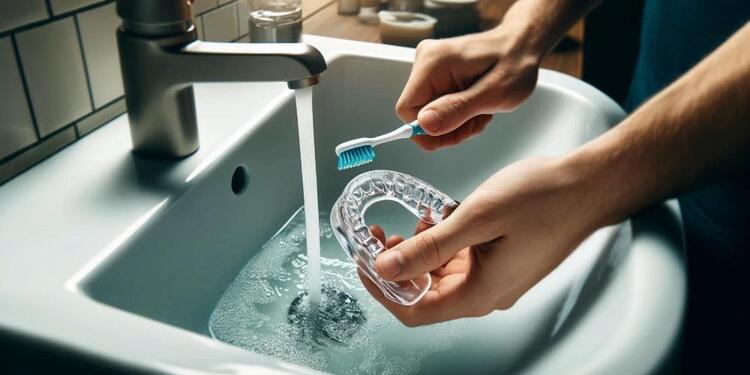
- Brush gently with a soft toothbrush and mild dish soap (or non-alcoholic mouthwash) for 30 seconds.
- Air-dry fully on a clean towel, open-side down, to avoid trapped moisture that feeds bacteria.
- Store in a ventilated case; skip sealed plastic bags or damp drawers.
- Weekly UV sanitize if you have a small UV toothbrush sanitizer; it kills lingering germs in 5 minutes.
- Inspect weekly for early yellow spots; catch them before they set in.
See how our complete oral hygiene toolkit helps prevent yellow stains and bacteria buildup before they start.
What NOT to Do When Cleaning a Night Guard
Avoid common mistakes that damage your night guard and make stains worse.
First of all, never use hot water; it warps acrylic and EVA materials. Second, skip bleach, alcohol-based cleaners, or harsh chemicals, which degrade the surface and cause cracks. Also don’t leave it soaking overnight in any solution, as prolonged exposure weakens the guard.
Besides these, many people mistakenly use toothpaste to scrub their night guard, but according to the ADA’s MouthHealthy guidelines, this should be avoided entirely; toothpaste is too abrasive and can scratch or weaken the material over time.
How Often Should You Clean or Replace a Yellowed Night Guard?
Clean your night guard daily with cool water and a soft brush to prevent yellow stains. Do a deep clean (denture tablets or peroxide soak) once a week. For stubborn discoloration, schedule professional cleaning every 6 months during your preventive dentistry visits.
Replace the guard every 6 to 12 months if yellowing persists, it smells, or it no longer fits properly. These signs mean it has lost effectiveness against bruxism.
Night Guard Care: From Yellow to Perfect
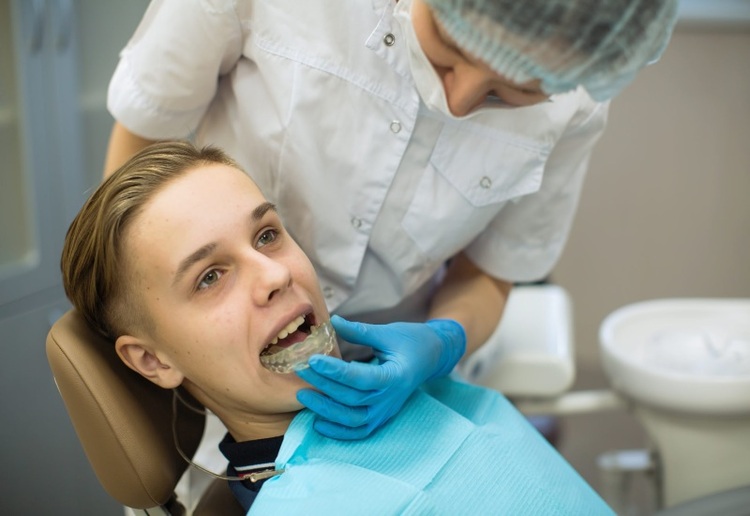
You now know how to remove yellow stains from a night guard with professional ultrasonic cleaning, weekly denture tablets, or gentle home soaks, plus the daily habits and mistakes to avoid. Regular care prevents biofilm, protects your teeth from bruxism, and keeps your guard effective for months. For expert maintenance, custom replacements, or a full hygiene check, book your appointment at Pape Dental today.
FAQ
Can I use toothpaste to clean my night guard?
No, toothpaste is abrasive and can scratch the material, leading to damage over time. Instead, use mild soap with warm water or a soft brush for gentle, effective cleaning without harming the guard.
How long does a night guard last if it’s yellow?
Yellowing indicates material breakdown and shortens lifespan to 3–6 months. Replace it sooner if you notice a persistent smell, poor fit, cracks, or discomfort during use to maintain protection.
Why does my night guard still smell after cleaning at home?
Home methods like brushing can’t reach deep biofilm and bacteria trapped in microscopic pores. Professional ultrasonic cleaning uses high-frequency waves to thoroughly remove odor-causing buildup for lasting freshness.
Can yellow stains come back after professional cleaning?
Yes, stains can return without proper daily care. Consistently rinse after use, store dry, and perform weekly deep cleans with non-abrasive solutions to prevent biofilm buildup and recurrence.
Tell us in the comments: What’s your biggest night guard challenge?
Share your experience; we’re listening.