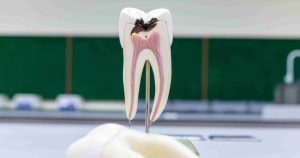
Just had a root canal and staring at your fridge, wondering what to eat after root canal without wrecking the repair? You’re not alone, and yes, it matters more than you think. One wrong bite can crack the seal, spark pain, or delay healing by weeks.
The general rule is simple: stick to cold and ultra-soft foods for the first 48 hours, move to soft foods for the next week, and only return to normal eating once you have a permanent crown. But there’s more to it than that. In this guide, you’ll get a day-by-day timeline, safe food lists, must-avoid traps, and pro tips for fast recovery. Keep reading; your next bite starts here.
Days 0–2: Eat After Root Canal While Numb & Sensitive
The first 48 hours after root canal therapy are the most delicate. Local anesthesia keeps your mouth numb for 2–6 hours, and the treated tooth remains sealed but fragile. Eating too soon, too hot, or too hard can dislodge the temporary filling, cause pain, or delay healing. Stick to cold or room-temperature, ultra-soft foods and chew only on the opposite side until full sensation returns.
Most patients leave with a temporary filling or crown. This material is soft and not designed for chewing pressure:
- Safe choices: Cold smoothies (no straw), plain yogurt, applesauce, chilled protein shakes, sugar-free popsicles, mashed potatoes (lukewarm).
- Avoid: Any food requiring biting or suction.
For same-day permanent crowns (e.g., CEREC) which is rare in the first 48 hours, stick to prior safe foods plus tiny-cut soft scrambled eggs, but avoid hot liquids to prevent thermal shock from weakening the setting cement. Unlike temporaries that dislodge at ~50N (an apple bite), these need 24–48 hours to fully harden
See also: What to Eat After Filling: Expert Tips For Recovery
Days 3–7: Soft Food Transition for Root Canal Recovery
By day 3, numbness is gone, but inflammation often peaks. The treated tooth is still healing, and any temporary crown or filling remains vulnerable to pressure. This week is about gradually reintroducing soft foods that nourish without stressing the seal. Chew only on the untreated side, keep portions small, and avoid extreme temperatures.
Temporary Crown or Filling
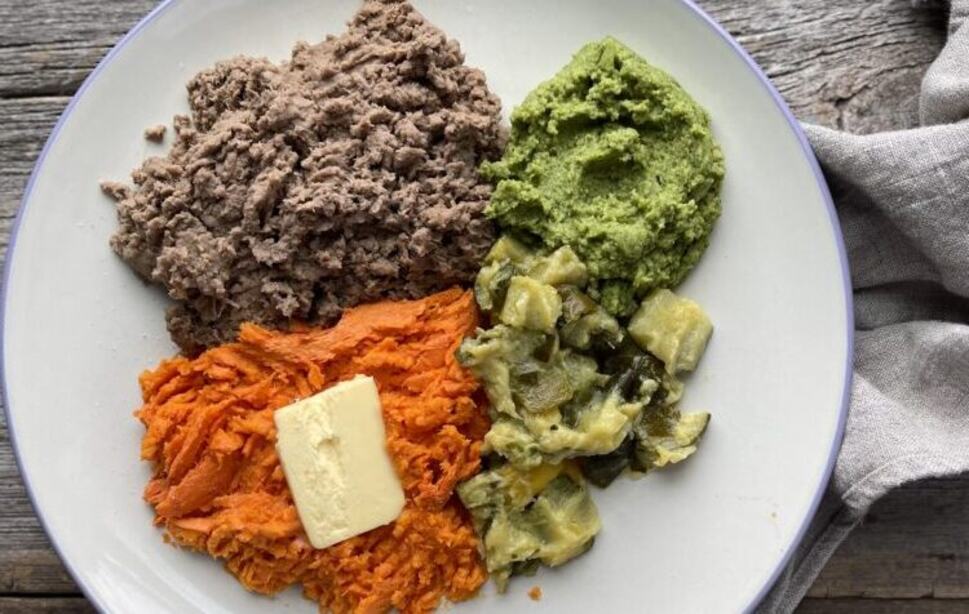
Most patients still have a temporary restoration during this phase. It’s strong enough for gentle chewing but not for tough or sticky foods. Focus on nutrient-dense, easy-to-swallow options that support root canal recovery:
- Best picks: Flaked salmon, soft tofu, cottage cheese, mashed sweet potatoes, overcooked pasta, steamed zucchini (mashed), yogurt with no chunks, oatmeal, avocado.
- Avoid: Nuts, raw carrots, crusty bread, gum, steak, popcorn.
Pro tip: A sample meal including salmon flakes + mashed potatoes + yogurt sauce delivers 25g protein and 300 calories without pressure.
Related Topic: Why No Dairy After Implant Surgery?
Permanent Crown Installed This Week
If your final dental crown was placed this week, the cement needs 7 full days to reach maximum strength. You can expand slightly beyond ultra-soft foods but must still protect the bond:
- Safe additions: Soft sandwiches (no crust), ripe bananas, well-cooked rice, shredded chicken, soft-cooked eggs, hummus with soft pita.
- Still avoid: Hard candy, ice cubes, tough meats, sticky caramels.
Pro tip: Cut everything into pea-sized pieces to minimize bite force.
Why the distinction matters: A temporary restoration can pop out under as little as 50N of force (less than biting an apple), while a fresh permanent crown needs 24–48 hours for cement to fully harden. Eating wrong risks emergency visits.
Quick Adjustments on What to Eat After Root Canal
Certain conditions change how your body handles post-root canal healing and diet. Diabetes slows recovery and raises infection risk; older adults (>65) heal slower and need softer textures; blood thinners increase bleeding with crunchy foods (Book a periodontics appointment to support gum health during recovery).
Use the table below to adjust your plan on soft foods after root canal:
| Condition | Diet Change | Key Considerations |
| Diabetes | Cut carbs 50%, boost protein | Avoid rice/pasta spikes; choose tofu, fish, yogurt |
| Age >65 | Softer textures, smaller bites | Puree soups, avoid chewy items |
| Blood Thinners | Skip crunchy foods | Prevent gum bleeding; stick to smooth options |
| Pain Meds | Add hydration | Dry mouth risk; sip water often |
Eat Smart, Heal Fast!
After your root canal, the right foods speed recovery and protect your tooth. Discover soft, soothing foods that nourish without irritating your tooth.
Book Your Follow-Up Consultation and ensure a smooth recovery with expert care.
Week 2+: Returning to Normal Diet After Root Canal
After 10–14 days, pain and sensitivity should be gone, and the root canal therapy site is stable. The focus shifts from protection to long-term tooth strength. If you have a permanent crown, you’re cleared for most foods; just avoid extreme habits. If you’re still waiting, soft foods remain essential to prevent fracture.
With Permanent Crown Installed
Your dental crown is now fully set and can handle normal bite force (400–600N). Return to a regular diet, but cut tough items into small pieces:
- Allowed: Pizza (thin crust), apples (sliced), steak (shredded), sandwiches, rice, pasta, cooked vegetables.
- Limit: Ice cubes, hard candy, unpopped popcorn, jawbreakers.
A Sample 3-day menu:
- Day 1: Turkey sandwich (soft bread), banana, yogurt
- Day 2: Grilled chicken (shredded), rice, steamed broccoli
- Day 3: Pasta with meat sauce, soft roll Your tooth is strong, but not invincible: avoid using it as a tool.
Still Waiting for Final Crown?
If you’re still awaiting your final crown after root canal therapy, your tooth is highly susceptible to fracture, so continue sticking to soft foods like those recommended for Days 3–7: mashed potatoes, yogurt, flaked fish, oatmeal, scrambled eggs, and hummus. Avoid anything requiring forceful biting or tearing, such as apples, meat, crusty bread, or nuts.
To prevent complications like a cracked tooth that could lead to re-treatment or extraction, schedule your permanent crown placement urgently within 2 weeks.
Suggested Article: Signs You Might Need an Emergency Root Canal
Why Diet After Root Canal Matters (and What Happens If You Ignore It)
Your root canal therapy removes the infection and seals the tooth, but that seal stays fragile for weeks. Eating the wrong foods like crunchy nuts, sticky candy, or hot soup can dislodge the temporary filling, crack the tooth, or trap bacteria, leading to infection, abscess, prolonged pain, or even tooth loss requiring an implant. Following the right diet protects your treatment, speeds healing, and prevents costly emergencies.
Take Your Root Canal Recovery Diet Seriously
To optimize your recovery period, you must take the post-root-canal diet guidelines seriously. In short, Days 0–2 call for cold, ultra-soft foods like yogurt and smoothies; Days 3–7 allow soft proteins and carbs such as mashed potatoes and flaked fish; Week 2+ permits a normal diet only with a permanent crown;otherwise, stay soft. At Pape Dental Clinic, we specialize in root canal therapy and offer personalized post-treatment diet guidance based on your restoration, health, and recovery stage, plus expert care to keep you comfortable.
FAQ
Can I drink coffee after a root canal?
Only lukewarm coffee starting Day 3 to avoid irritating the treated area. No hot beverages for at least 7 days, as heat can increase sensitivity and disrupt healing.
How long until I can eat pizza?
Wait until Week 2 or after your permanent crown is placed. Choose thin crust, cut into tiny pieces, and chew on the opposite side to protect the tooth.
What if I accidentally bite something hard?
Immediately rinse with warm salt water to soothe and clean the area. Call your dentist right away if you feel sharp pain, notice a crack, or see swelling.
Is ice cream safe on day 1?
Yes, plain ice cream without chunks, nuts, or toppings is safe and soothing on Day 1. The cold temperature helps reduce swelling and provides gentle comfort post-procedure.
When should I call my dentist?
Call immediately if pain lasts over 7 days, swelling increases, you notice a bad taste or pus, or any new symptoms like fever appear, as these may indicate infection.
Can I use a straw on day 1?
No, avoid straws on Day 1 as suction can dislodge the temporary seal or clot. Wait at least 48 hours before using one to ensure proper healing.
What if I have diabetes?
Cut carbs by 50% to stabilize blood sugar; prioritize protein-rich soft foods like yogurt, eggs, or smoothies. Monitor glucose every 4–6 hours and consult your doctor if levels spike.
Is alcohol allowed during recovery?
Avoid alcohol for at least 7 days; it delays healing, increases bleeding risk, and can interact with pain medications or antibiotics, potentially causing nausea or reduced effectiveness.
Drop a comment below; share your day-1 eats, what you craved most, or any lingering questions. We read and reply to every single one!