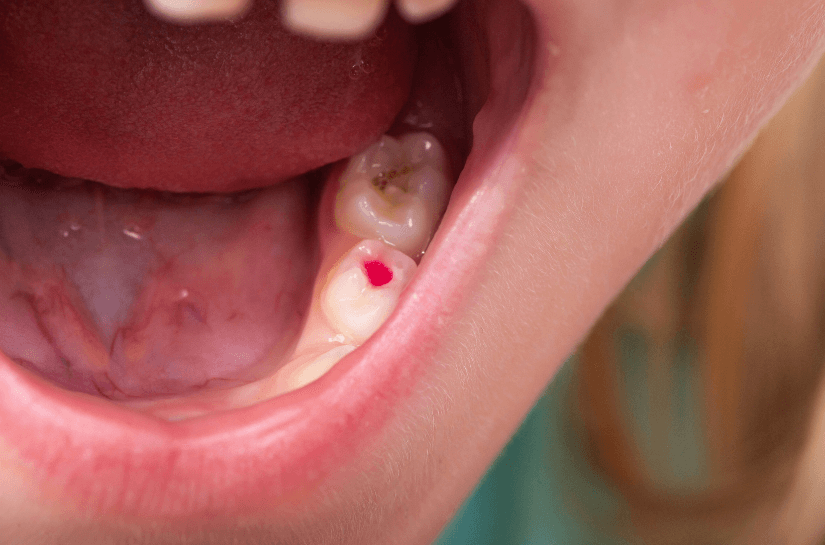
Tooth pain can range from a dull ache to a sharp, debilitating sensation, often signalling an issue within the tooth’s innermost part: the dental pulp. This delicate tissue, containing nerves, blood vessels, and connective tissue, is vital for tooth health. When it becomes inflamed, a condition known as pulpitis, understanding its type is crucial for effective reversible and irreversible pulpitis treatment.
At Pape Dental Centre in Toronto, we believe in empowering our patients with knowledge. This guide will walk you through the complexities of pulpitis, helping you understand the difference between reversible and irreversible forms, their causes, symptoms, and the various treatment paths available to restore your comfort and oral health.
What is Dental Pulpitis?
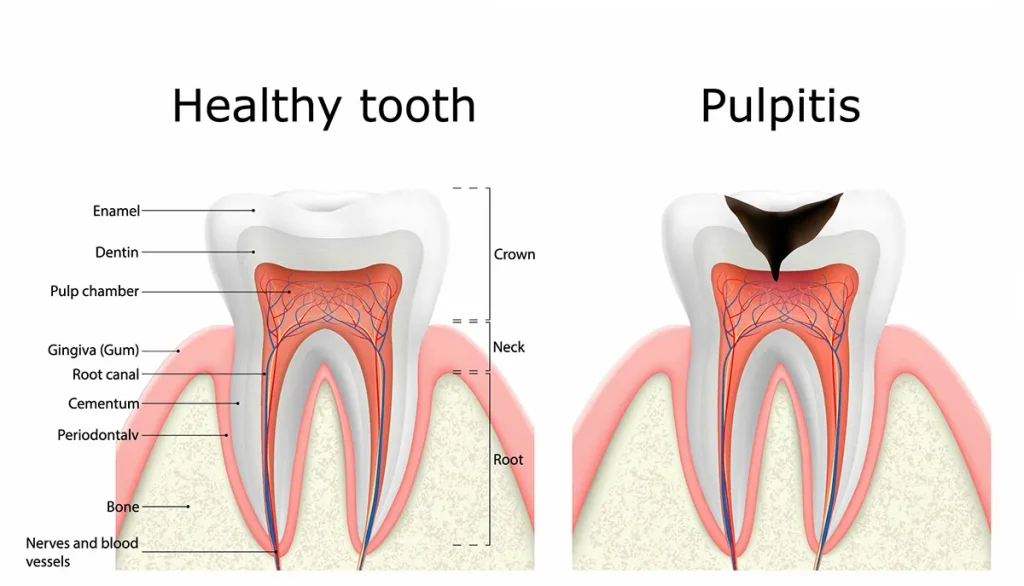
Dental pulpitis is essentially inflammation of the dental pulp. The pulp is a soft tissue located in the centre of your teeth, extending from the crown down to the root tips. It plays a crucial role in tooth development and sensation. When this pulp becomes inflamed, it can lead to significant discomfort and, if left untreated, serious complications.
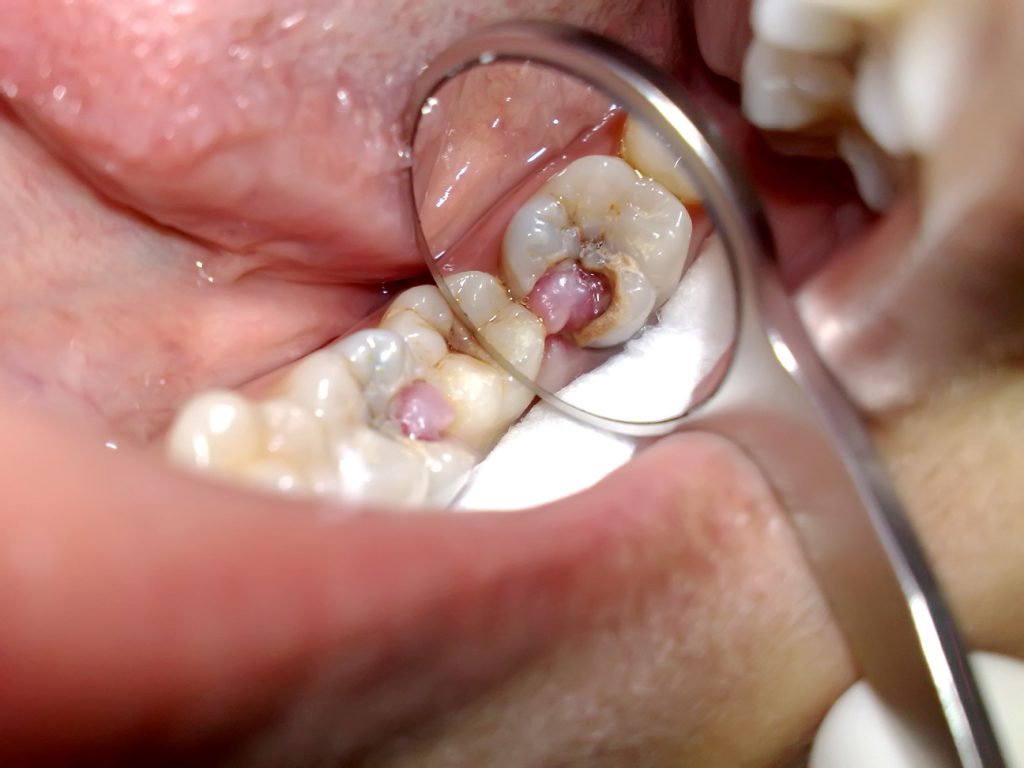
The inflammation usually results from bacterial invasion or trauma, leading to swelling within the rigid confines of the tooth. This pressure can compress the nerves and blood vessels, causing pain and potentially leading to the death of the pulp tissue.
Reversible Pulpitis: Understanding Mild Tooth Pain
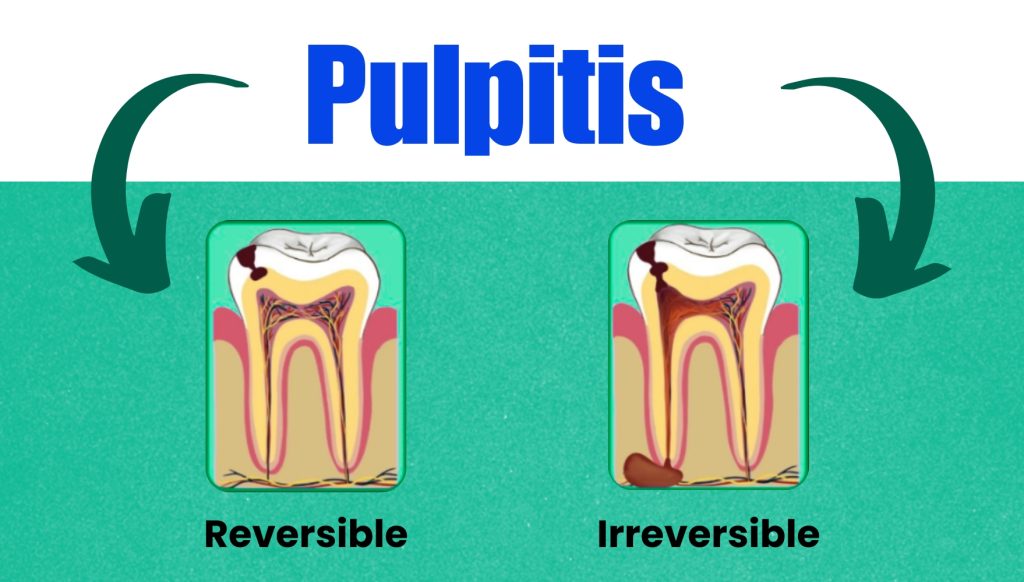
Reversible pulpitis is the milder form of inflammation, where the dental pulp is irritated but still healthy enough to recover if the irritant is removed. It’s often characterized by short, sharp pain that quickly subsides once the trigger is gone.
Causes of Reversible Pulpitis
The primary pulpitis causes for the reversible type often involve less severe irritants that have not yet caused extensive damage to the pulp:
- Shallow Cavities: Early-stage tooth decay that hasn’t penetrated deep into the tooth.
- Recent Dental Work: Sometimes, a new filling or crown can cause temporary sensitivity.
- Exposed Dentin: Worn enamel or receding gums can expose the sensitive dentin layer.
- Minor Trauma: A slight knock to the tooth.
- Cracked Tooth Syndrome: Small, superficial cracks that don’t reach the pulp directly.
Symptoms of Reversible Pulpitis
If you experience pulpitis symptoms consistent with reversible pulpitis, they typically include:
- Sharp, short-lived pain when exposed to cold or sweet foods/drinks.
- Pain that disappears almost immediately after the stimulus is removed.
- No spontaneous pain (pain that occurs without an obvious trigger).
- No lingering pain after the stimulus is removed.
The good news is that if caught and treated promptly, pulpitis can heal on its own in its reversible form, provided the source of irritation is eliminated.
Reversible Pulpitis Treatment Options
The goal of reversible pulpitis treatment options is to remove the irritant and allow the pulp to heal. Common treatments include:
- Dental Fillings: For cavities, removing the decay and placing a dental filling is usually sufficient.
- Protective Liners or Bases: Applied under fillings to insulate the pulp.
- Desensitizing Treatments: For exposed dentin or mild sensitivity, special varnishes or toothpastes can help.
- Adjusting Occlusion: If the tooth is sensitive due to an uneven bite, adjustments can relieve pressure.
Irreversible Pulpitis Explained
Irreversible pulpitis signifies a more severe and often chronic inflammation where the pulp is extensively damaged and cannot heal on its own. This condition typically leads to the eventual death of the pulp tissue if left untreated.
Causes of Irreversible Pulpitis
The causes for irreversible pulpitis are usually more aggressive and prolonged:
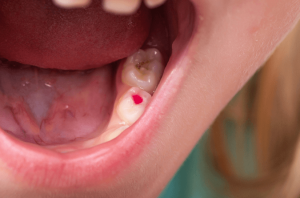
- Deep Cavities: Decay that has reached or is very close to the pulp chamber, allowing bacteria to invade.
- Extensive Trauma: A severe blow to the tooth that disrupts the blood supply to the pulp.
- Repeated Dental Procedures: Multiple procedures on the same tooth can sometimes stress the pulp beyond recovery.
- Cracked or Fractured Teeth: Cracks that extend deep into the pulp, creating a pathway for bacteria.
- Gum Disease: In advanced stages, gum infection can spread to the pulp through accessory canals.
Symptoms of Irreversible Pulpitis
The pulpitis symptoms for irreversible pulpitis are typically more severe and persistent:
- Spontaneous pain: Pain that occurs without any obvious trigger, or pain that wakes you up at night.
- Lingering pain: Pain that persists for minutes or even hours after exposure to hot or cold stimuli.
- Throbbing pain: Often described as a dull, throbbing ache that can radiate to other areas of the face.
- Increased sensitivity: Sensitivity to heat, often providing temporary relief with cold.
- Swelling: In later stages, swelling around the affected tooth or a small pimple-like bump on the gums (fistula) may indicate an infection spreading.
Irreversible Pulpitis Treatment Options
Unlike reversible pulpitis, the pulp affected by irreversible pulpitis cannot heal. Therefore, the treatment aims to remove the damaged or infected pulp tissue to save the tooth and prevent further complications.
- Root Canal Therapy: Root canal treatment is the most common and effective irreversible pulpitis treatment. The inflamed or infected pulp is removed, the inside of the tooth is cleaned and disinfected, and then filled and sealed. The tooth is often capped with a dental crown to protect it.
- Tooth Extraction: If the tooth is too damaged to be saved with a root canal or if a root canal is not feasible for other reasons, tooth extraction may be necessary. The extracted tooth can then be replaced with a dental implant, bridge, or partial denture.
The Key Differences between Reversible and Irreversible Pulpitis
Understanding the difference between reversible and irreversible pulpitis is paramount for both diagnosis and treatment planning. While both involve inflammation of the dental pulp, their prognosis and required interventions vary significantly.
- Pain Characteristics: Reversible pulpitis causes sharp, short pain that goes away quickly. Irreversible pulpitis causes lingering, spontaneous, or throbbing pain, especially to heat.
- Pulp Viability: In reversible pulpitis, the pulp is still capable of healing if the irritant is removed. In irreversible pulpitis, the pulp is too damaged to recover.
- Treatment Approach: Reversible pulpitis often requires simpler treatments like fillings. Irreversible pulpitis necessitates more invasive procedures like root canal therapy or extraction.
- Prognosis: Reversible pulpitis has a good prognosis for full recovery. Irreversible pulpitis, if untreated, will lead to pulp necrosis (death) and potential infection spread.
Preventing Pulpitis
While some causes of pulpitis are unavoidable, many cases can be prevented with good oral hygiene and regular dental care:
- Brush and Floss Regularly: Brush twice a day with fluoride toothpaste and floss daily to remove plaque and food particles.
- Regular Dental Check-ups: Visit Pape Dental Centre for routine examinations and cleanings. Early detection of cavities and other issues can prevent pulpitis.
- Address Cavities Promptly: Don’t delay treating cavities. The sooner they are filled, the less chance they have to progress to the pulp.
- Protect Your Teeth: If you play sports, wear a mouthguard. If you grind your teeth, consider a nightguard.
- Limit Sugary Foods and Drinks: Reduce your intake of items that contribute to tooth decay.
Diagnosing Pulpitis at Pape Dental Centre
Accurate pulpitis diagnosis is critical for effective treatment. At Pape Dental Centre, our experienced dentists use a combination of methods to determine the type and extent of pulpitis:
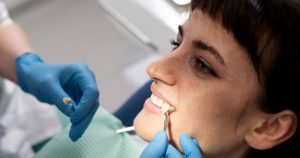
- Clinical Examination: We will go through an oral examination and visually inspect your teeth and gums for signs of decay, cracks, or swelling.
- Patient History: We’ll ask detailed questions about your pain, including when it started, what triggers it, how long it lasts, and its intensity.
- Dental X-rays: Radiographs and dental X-rays help us visualize the extent of decay, any infections at the root tip, or other underlying issues not visible to the naked eye.
- Pulp Vitality Tests: These involve applying cold or heat to the tooth to assess the pulp’s response. An electric pulp tester may also be used to gauge nerve response.
- Percussion and Palpation Tests: Tapping on the tooth or gently pressing on the gums can help identify inflammation around the tooth or in the surrounding tissues.
What Happens if Pulpitis is Left Untreated?
Ignoring pulpitis, especially the irreversible form, can lead to severe consequences. The infection can spread from the tooth into the surrounding bone and soft tissues, potentially causing:
- Dental Abscess: A pus-filled pocket forming at the root tip, leading to intense pain and swelling.
- Spread of Infection: In rare but serious cases, the infection can spread to other parts of the head and neck, potentially leading to systemic health issues.
- Tooth Loss: Eventually, the tooth may become so compromised that it needs to be extracted.
Protect Your Tooth Before It’s Too Late
Whether reversible or irreversible, early diagnosis and treatment can make a significant difference in saving your tooth and preventing more serious complications. Our dental team is here to assess your condition and provide the most effective, comfortable treatment tailored to your needs.
Book your appointment now!
Conclusion
Understanding reversible and irreversible pulpitis treatment is crucial for anyone experiencing tooth pain. While reversible pulpitis offers a chance for the pulp to heal with timely intervention, irreversible pulpitis demands more significant treatment to save the tooth and prevent serious complications.
At Pape Dental Centre in Toronto, your oral health is our priority. If you’re experiencing any symptoms of pulpitis, don’t wait for the pain to worsen. Contact us today to schedule a comprehensive examination. Our team is here to provide accurate diagnosis and effective, compassionate care, ensuring your smile remains healthy and pain-free.
FAQ
Can pulpitis heal on its own?
Reversible pulpitis can often heal once the cause (like a shallow cavity) is treated. However, irreversible pulpitis will not heal on its own and requires professional dental intervention, typically a root canal or extraction.
What is the best treatment for pulpitis?
The best treatment depends entirely on whether the pulpitis is reversible or irreversible. For reversible cases, a simple filling or addressing sensitivity is often enough. For irreversible pulpitis, root canal therapy is generally the preferred method to save the tooth, or extraction if the tooth cannot be salvaged.
How long does pulpitis pain last?
Pain from reversible pulpitis is usually short-lived, disappearing once the stimulus is removed. Pain from irreversible pulpitis can be constant, lingering for minutes or hours after a trigger, or even spontaneous and throbbing, lasting until professional treatment is sought.
Can I get pulpitis again after treatment?
Once a tooth has been treated for pulpitis (e.g., with a filling or root canal), the treated area should not experience pulpitis again. However, other teeth can develop pulpitis if proper oral hygiene and regular dental check-ups are not maintained.
We’d love to hear from you! Share your experiences or questions about pulpitis treatment in the comments below.