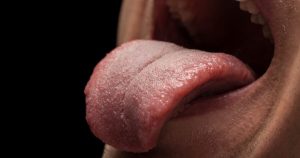
Is dry mouth more common in Toronto? Not necessarily. While Toronto’s cold, dry winters can make symptoms feel worse, overall rates of dry mouth are similar to global averages. What truly matters is identifying the cause, whether it’s medications, dehydration, aging, or an underlying condition, and taking action early.
Simple steps like hydration and lifestyle changes can help, but regular check-ups with your dentist or dental hygienist play a key role in preventing complications such as cavities and gum disease. Professional monitoring ensures that reduced saliva doesn’t silently damage your oral health. Keep reading to learn about the causes, risks, and most effective treatment options available for Toronto residents.
What Is Dry Mouth (Xerostomia)? Causes, Symptoms & Complications
Dry mouth, medically called xerostomia (pronounced zeer-oh-STOH-mee-uh), happens when your mouth doesn’t produce enough saliva to stay comfortably moist. Saliva is essential for chewing, swallowing, tasting food, speaking clearly, and protecting teeth and gums from bacteria and decay.
Common causes include dehydration, certain medications, aging, medical conditions, and lifestyle factors like tobacco use or mouth breathing. Symptoms often include a sticky, rough, or constantly dry feeling, difficulty swallowing or speaking, and changes in taste.
Everyone experiences occasional dry mouth (for example, when nervous, dehydrated, or sleeping with an open mouth), but chronic dry mouth (lasting most of the time) is different, and it can lead to complications such as faster tooth decay, gum disease, bad breath, oral infections like thrush, mouth sores, and difficulty eating or speaking. A comprehensive oral examination can help detect early signs and guide proper management.
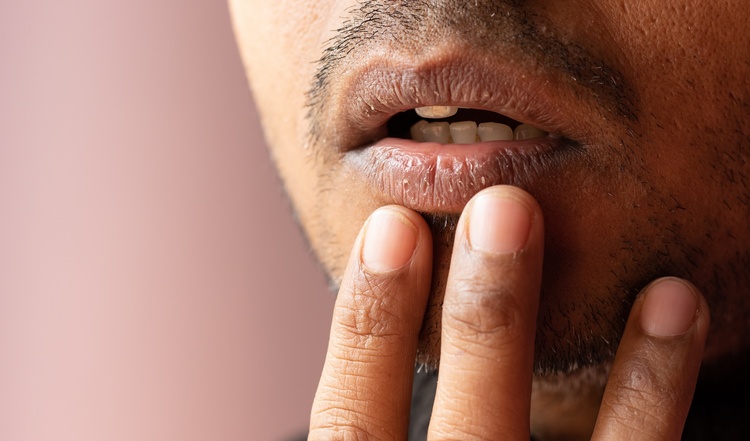
Is Dry Mouth More Common in Toronto Compared to the World?
Dry mouth (xerostomia) is not more common in Toronto or Canada than globally; prevalence rates are similar.
Statistics Box:
In Canada (including Ontario and Toronto), CDHO reports at least 20% in the general population, rising to up to 50% in the elderly.
Globally, a systematic review from ADA estimated that xerostomia affects approximately 22% of the adult and elderly population.
Toronto-specific data is limited, but no studies show elevated rates beyond these averages. Factors like Toronto’s dry winters may worsen symptoms for some people through dehydration, but they do not make the condition more prevalent overall compared to worldwide patterns. If symptoms persist, visiting a local family dentistry clinic ensures a comprehensive evaluation and long-term monitoring tailored to your age and health condition.
Dry Mouth Remedies & Prevention Tips
Dry mouth cannot always be fully prevented, especially when it is caused by medications or medical conditions; but you can reduce symptoms and lower the risk of complications with consistent daily habits.
Staying well hydrated is essential. Drink 8–12 glasses of water per day and sip during meals to support saliva flow.
Limit caffeine (coffee, tea, some sodas) and alcohol, as both dry out the mouth and reduce saliva production.
Avoid tobacco in all forms (smoking, chewing, vaping) and try to breathe through your nose rather than your mouth to preserve moisture.
Using a humidifier at night, especially during Toronto’s cold, dry winters and heated indoor seasons, can significantly improve overnight dryness.
Finally, maintain excellent oral hygiene: brush twice daily with fluoride toothpaste, floss every night, and reduce sugary foods and drinks, since low saliva increases the risk of cavities and gum disease.
In addition to daily care, regular teeth cleaning helps remove plaque buildup that dry mouth can accelerate.
Learn here: How to Floss Properly: Your Guide to Healthy Teeth and Gums

Take Control of Your Dry Mouth Today!
Persistent dry mouth can make daily life uncomfortable, while increasing the risk of oral issues. At Pape Dental Centre, we provide expert consultations, thorough oral examinations, ongoing monitoring, and specialized treatments when necessary, ensuring your mouth stays healthy and comfortable.
Book your appointment now!
Simple At-Home Remedies
At-home solutions can provide temporary relief, but they are not guaranteed or permanent fixes, especially if dry mouth is caused by medications or underlying health conditions. Still, they are practical first steps that can quickly ease discomfort:
- Chew sugar-free gum or suck on sugar-free lozenges (xylitol, mint, or citrus flavors work well) to naturally stimulate saliva production.
- Suck on small ice chips to gently moisten the mouth without sugar or irritation.
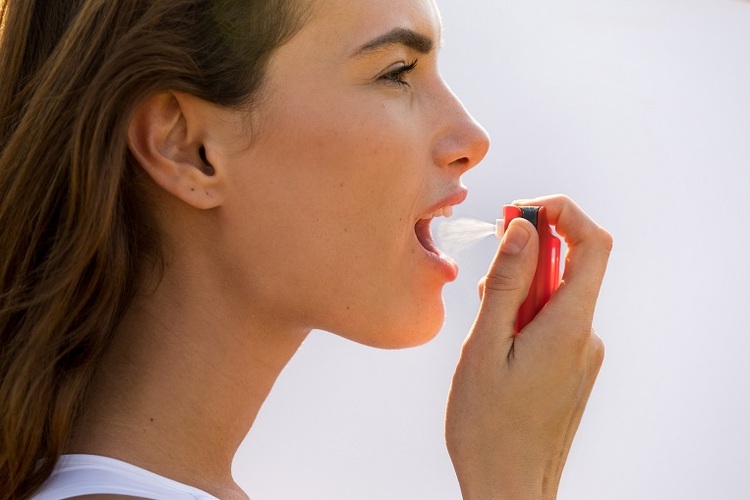
- Use over-the-counter saliva substitutes or moisturizing sprays, gels, or rinses (such as xylitol-based or carboxymethylcellulose products) for short-term comfort.
- Rinse with a homemade solution of 1 teaspoon salt + 1 teaspoon baking soda in 1 liter of warm water every few hours to help protect teeth and balance oral pH.
Medical and Professional Options
If symptoms persist or worsen, professional treatment may be necessary:
Medication Review. Ask your doctor or pharmacist whether your current medications may be causing dry mouth. In many cases, alternative prescriptions or dosage adjustments can reduce dryness.
Prescription Saliva Stimulants. Medications such as pilocarpine or cevimeline can actively increase saliva production and are often effective for moderate to severe xerostomia.
Professional Fluoride Protection. A dentist can apply fluoride varnishes, prescribe high-fluoride toothpaste, or provide custom trays to protect against cavities and infections associated with low saliva (Learn more about fluoride treatment).
In some cases, a detailed periodontal examination is recommended to assess gum health and prevent long-term tissue damage.
Specialist Evaluation. If dry mouth is linked to systemic conditions (such as autoimmune disorders like Sjögren’s syndrome), referral to a specialist (such as a rheumatologist) may be required for comprehensive care.
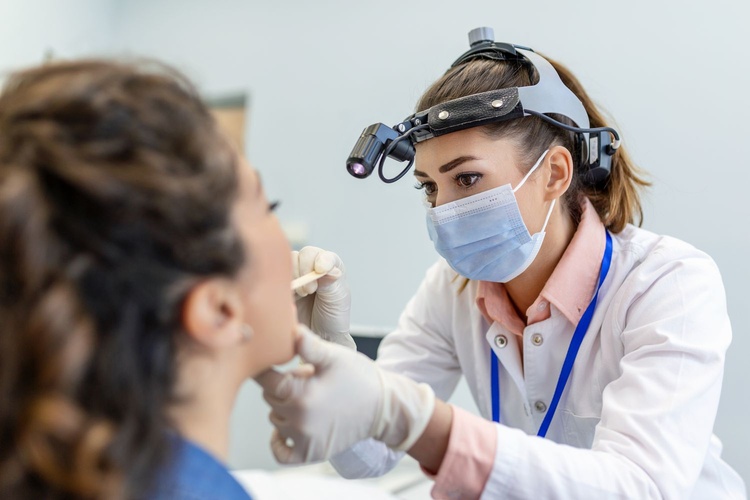
Most Important: The most critical step is staying in contact with a qualified healthcare professional. A dental hygienist or physician can determine the true cause of your dry mouth and guide you on which home strategies are appropriate, and whether medical treatment is necessary. Proper diagnosis ensures you are not just managing symptoms, but protecting your long-term oral and overall health.
Read more: How Dental Hygienists Help Prevent Gum Disease
Manage Dry Mouth in Toronto Effectively
Dry mouth (xerostomia) affects about 20–22% of adults and up to 50% of seniors. There’s no evidence that Toronto residents face a higher risk than others, but the city’s dry winter air can worsen symptoms. The good news: most cases improve with proper hydration, avoiding dehydrating habits, simple home remedies, and professional care when needed. Early action helps prevent cavities, infections, and daily discomfort.
At Pape Dental Centre, our team provides personalized dry mouth assessments, fluoride protection, ongoing monitoring, and restorative care if complications develop. With modern, patient-focused treatment and direct insurance billing, we help Toronto residents manage dry mouth confidently.
FAQ
Is dry mouth just a normal part of aging?
No, dry mouth is not normal aging. It often stems from medications, diseases like diabetes or Sjogren’s, or dehydration, especially in Toronto winters. See a dentist if persistent.
What medications most commonly cause dry mouth?
Antihistamines, antidepressants, blood pressure drugs, diuretics, and decongestants frequently cause dry mouth as a side effect. Over 500 medications can contribute; consult your doctor or pharmacist about alternatives.
How can I relieve dry mouth at home right away?
Sip water frequently, chew sugar-free gum or suck on xylitol lozenges to stimulate saliva, use a humidifier (especially in winter), avoid caffeine/alcohol/tobacco, and try OTC saliva substitutes like Biotene.
When should I see a dentist or doctor for dry mouth?
If dry mouth lasts weeks, causes difficulty swallowing/speaking, bad breath, sores, or increased cavities, seek professional help immediately; it may signal underlying issues like Sjogren’s or medication effects.
Can dry mouth lead to serious dental problems?
Yes, reduced saliva increases risks of tooth decay, gum disease, oral infections, and yeast overgrowth. Regular dental check-ups, fluoride treatments, and good hygiene are essential to prevent long-term damage.
We’d love to hear from you! Share your experiences with dry mouth or ask any questions in the comments below; your insights could help others in Toronto manage it better.