Have you ever invested in a dental crown only to worry about how soon you’ll need a replacement? If you’re wondering “How long do crowns last?”, the answer is typically 10-15 years on average, but it depends on factors like the material used, your oral habits, and daily care. The good news? With a few expert habits, many crowns can last 20-30 years or even longer.
In this guide, we’ll break down the key factors affecting dental crown lifespan and share practical tips to help yours go the distance. Keep reading to learn how small changes can make a big difference for your smile.
Understanding Dental Crown Lifespan and Longevity
Dental crowns are a reliable way to restore damaged teeth, but many patients ask, “How long do crowns last?” In most cases, crowns last 10–15 years. With good oral care and high-quality materials, they can last even longer.
What Is the Average Dental Crown Lifespan?
The typical lifespan of a dental crown ranges from 5 to 15 years, but many last much longer with proper maintenance. Studies on PubMed show survival rates around 90% at 5 years, dropping to about 70-80% at 15-20 years.
For teeth treated with root canals, crowning significantly extends life: crowned teeth survive about 20 years on average, compared to just 11 years with a filling alone or 6.5 years with no restoration.
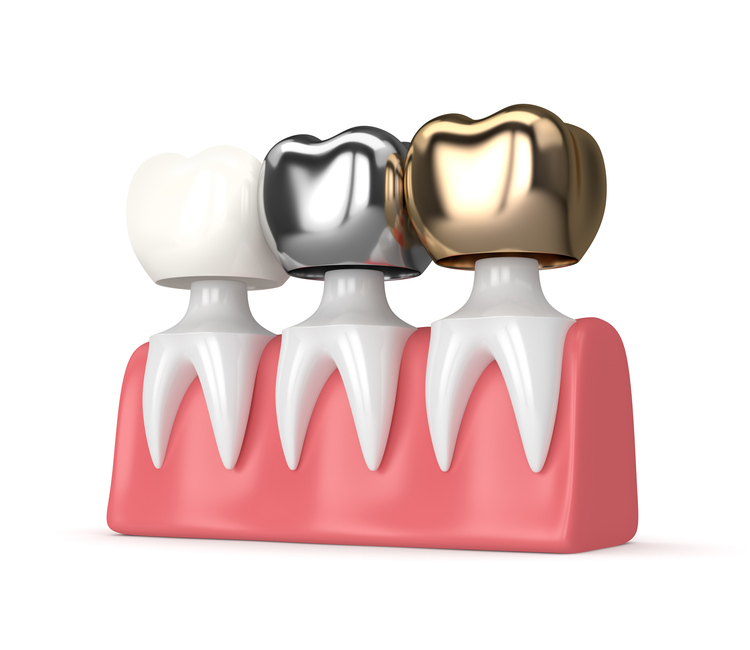
Choosing the right material for your crown is a key part of restorative dentistry, ensuring both strength and a natural appearance for long-term success. Material plays a big role in longevity:
- Gold or metal crowns often last 20-30+ years due to their strength.
- Zirconia crowns frequently endure 15-20+ years.
- Porcelain-fused-to-metal (PFM) and all-porcelain crowns typically last 10-15 years.
- Resin crowns are shorter-lived, around 3-5 years.
Factors Affecting Crown Durability
Several key factors influence how long dental crowns last. Understanding these helps you take better control of its longevity:
- Material Choice: As we explained above, strong materials like gold, zirconia, or metal handle biting forces well and resist chipping. Porcelain or PFM looks more natural but may chip or wear faster, especially on molars.
- Oral Hygiene Habits: Poor brushing and flossing let plaque build up around the crown, which can cause decay underneath or gum problems.
- Teeth Grinding (Bruxism): Clenching or grinding, especially at night, puts extra pressure on crowns and can lead to cracks, chips, or loosening.
- Diet and Lifestyle: Hard foods (ice, nuts) and sticky foods (caramel, toffee) can damage or pull crowns loose. Using teeth as tools also increases risk.
- Tooth Location and Condition: Crowns on back teeth wear out faster due to stronger chewing forces. Teeth with root canals or prior damage may be more vulnerable.
- Quality of Placement and Fit: A well-fitted crown placed by an experienced dentist lasts longer. Poor fit can trap bacteria and cause early failure.
- Regular Dental Check-Ups: Routine visits help catch small issues early, preventing bigger problems later.
In the following sections, we’ll explain in more detail the steps you can take to help extend the lifespan of your dental crown.
When Might You Need to Replace a Crown?
You may need to replace a dental crown if you notice cracks, chips, looseness, pain when biting, sensitivity to hot or cold, gum irritation, dark lines near the gum, or a persistent bad taste. While most crowns are replaced after 10–15 years, regular dental check-ups and early treatment can often help extend their lifespan.
Read more: Strengthen Your Weak Teeth Naturally with These Tips
Extend Your Dental Crown’s Life Before Problems Arise
Don’t wait for cracks, pain, or costly replacements; protect your investment in dental crowns today. At Pape Dental Centre, our experts provide personalized check-ups, professional cleanings, custom night guards for bruxism, and preventive care to help your crowns last longer.
Schedule a consultation now and avoid unnecessary repairs!
Expert Tips for Maintaining Dental Crowns and Extending Longevity
While dental crowns are designed to be durable, how long they last depends greatly on how you care for them. Below, we’ll review the most effective actions you can take to help your dental crowns last longer.
Daily Oral Hygiene Practices for Dental Crown Care
Consistent oral hygiene is the foundation of a long-lasting dental crown. A crowned tooth should be cared for just like a natural one to prevent plaque buildup, decay under the crown, and gum disease. Brushing twice daily with a soft-bristled toothbrush and fluoride toothpaste, using gentle circular motions, especially along the gum line, helps keep the area clean and healthy.
Daily flossing is just as important, particularly around the crown margins where bacteria tend to collect. You can use regular floss, floss threaders, interdental brushes, or a water flosser. Adding an antibacterial or fluoride mouthwash and rinsing with water after meals further reduces bacteria, protecting the crown’s edges and helping prevent early failure.
Tip: Keep your crown healthy by cleaning around the gum line and crown edges, making sure to floss properly and avoid common oral hygiene mistakes.
Professional cleanings by a dental hygienist can reach areas around the crown that are difficult to clean at home, protecting its margins and extending its lifespan.

Diet and Lifestyle Adjustments to Protect Your Crowns
What you eat and how you use your teeth play a major role in how long your dental crown lasts:
- Avoid hard foods like ice, nuts, popcorn kernels, or hard candy, as they can crack or chip the crown.
- Skip sticky foods such as caramel, toffee, or chewing gum, which may pull on the crown and weaken the cement.
- Limit sugary snacks and acidic drinks to reduce plaque buildup and lower the risk of decay around the crown.
- Do not use your teeth as tools for biting nails, opening packages, or chewing pens, as this adds unnecessary stress.
- Maintain a balanced diet rich in calcium, vitamin D, and fiber to support oral health and natural saliva flow.
Related Topic: What to Eat After Filling: Essential Tips for a Smooth Recovery
Using Protective Devices and Aids
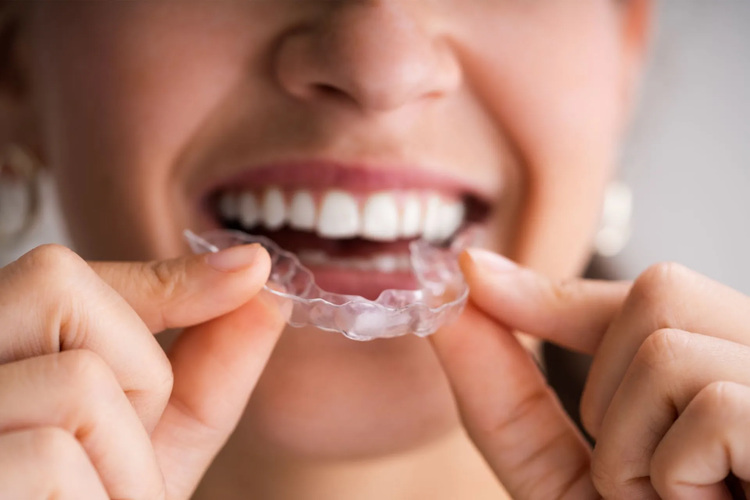
If you grind or clench your teeth (bruxism), especially at night, this puts extra pressure on crowns and can lead to cracks, chips, or loosening over time. A simple solution is to wear a custom night guard (also called a mouth guard) fitted by your dentist. It cushions your teeth, absorbs the force of grinding, and protects both the crown and your natural teeth.
For those who play contact sports, a mouth guard can also prevent trauma. If you notice signs of grinding like jaw soreness or worn teeth, talk to your dentist about getting one. It’s an easy, effective way to add years to your crown’s life.
The Role of Regular Professional Check-Ups
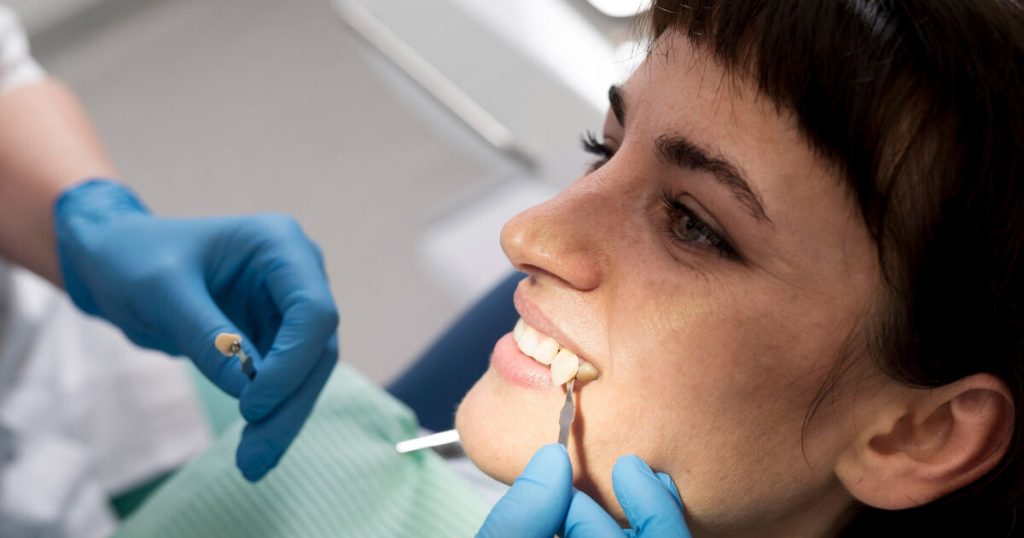
Regular dental visits every six months, or as recommended by your dentist, are essential for detecting small issues before they become serious. During these check-ups, your dentist examines the crown for wear or cracks, checks its fit, looks for signs of decay or gum problems, and performs professional cleanings to remove plaque from hard-to-reach areas.
Early detections, as a key part of preventive dentistry, allow for simple fixes instead of full replacements, making routine visits one of the most effective ways to extend the life of your dental crown.
You may find useful: Dental Hygienist vs. Dentist: Who Does What?
Maximizing Your Dental Crown Longevity
With good daily hygiene, smart diet choices, protection against grinding, and regular dental visits, most dental crowns can last 15-30 years or even longer (far beyond the average 10-15). Small, consistent habits make a big difference in avoiding cracks, decay, or early replacement, saving you time, discomfort, and expense.
At Pape Dental Centre in Toronto, our experienced team specializes in high-quality crown placement, custom night guards, and personalized preventive care to help your restorations last as long as possible. If you have a crown or are considering one, book a consultation today!
FAQ
How long do dental crowns typically last?
On average, dental crowns last 10-15 years, but with proper care, they can endure 20-30 years or more. Factors like material and hygiene play key roles.
What factors affect the lifespan of a dental crown?
Key factors include crown material (e.g., zirconia lasts longer), oral hygiene, teeth grinding (bruxism), diet, and tooth location (molars wear faster due to chewing pressure).
How can I make my dental crown last longer?
Maintain daily brushing and flossing, avoid hard foods, wear a night guard for grinding, and schedule biannual check-ups to prevent decay and damage.
Do different materials affect crown durability?
Yes, metal or zirconia crowns often last 15+ years due to strength, while porcelain ones (5-15 years) prioritize aesthetics but may wear faster.
When should I replace my dental crown?
Replace if you notice looseness, pain, cracks, or gum irritation. Regular exams detect issues early; most replacements occur after 10-15 years of wear.
What’s your experience with dental crowns? How long has yours lasted, or what’s your top care tip? Share in the comments below. We’d love to hear!