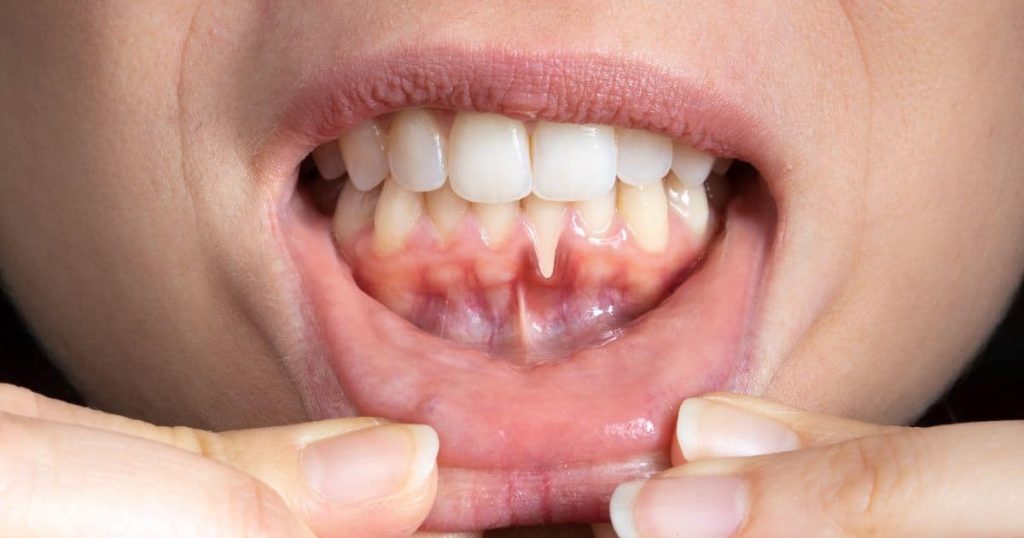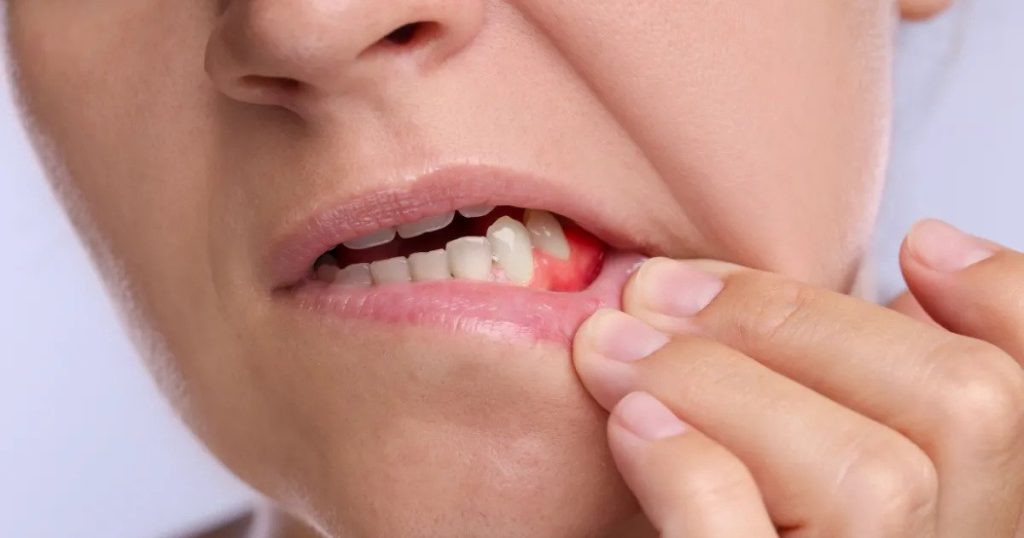

After a tooth extraction, getting back to normal meals can feel tricky; everyone wants to eat solid food after tooth extraction without risking pain or delayed healing. Timing, food choices, and proper care all play a role in a smooth recovery. By following a phased approach and listening to your body, you can safely return to regular foods while protecting the extraction site. Read on for clear guidelines, practical tips, and expert advice to help your mouth heal comfortably and efficiently.
Factors That Influence Your Aftercare Diet Timeline
Returning to solid food after tooth extraction doesn’t follow a fixed schedule. Your recovery time depends on several important factors, and understanding them helps you avoid rushing the healing process:
- Type of extraction: Surgical or impacted tooth removals, often performed as part of oral surgery, need more healing time before chewing is safe.
- Your healing speed: If pain and swelling improve quickly, you can progress sooner. Ongoing discomfort means your body needs more time.
- Complications: Dry socket, infection, or prolonged bleeding can significantly delay your ability to eat solid foods.
- Health and lifestyle factors: Smoking, diabetes, certain medications, alcohol use, and overall health can slow healing and extend your recovery timeline.
Research data: Complications like dry socket can significantly delay your return to solid foods. A study published in the Cureus Journal of Medical Science shows that about 20–40% of patients may develop dry socket after extraction, especially smokers or those with poor oral hygiene.
Recommended Timeline by Condition
As we discussed above, the right time to return to solid foods depends on your specific case. The table below shows general recovery ranges based on common clinical guidance:
| Condition | Initial Soft Foods Phase | Semi-Solid Foods (Minimal Chewing) | Full Solid Foods (Normal Chewing) |
| Simple extraction (routine removal of a visible tooth in a healthy patient) | 24–48 hours (liquids and very soft foods like yogurt, smoothies, mashed potatoes) | 2–3 days (scrambled eggs, soft pasta, oatmeal) | 5–7 days |
| Complex or surgical extraction (impacted wisdom teeth or procedures involving gum/bone) | 2–5 days (very soft, cool or warm foods) | 3–7 days (soft proteins, cooked vegetables, flaky fish) | 7–10 days |
| Extraction with complications or risk factors (dry socket, infection, smoking, diabetes, delayed healing) | 7+ days (remain on soft or semi-soft foods) | 7–14 days or until symptoms resolve | 10–14 days or after dentist approval |
Keep in mind: These timelines are general averages; your healing speed may vary. Only advance when chewing feels comfortable, start on the opposite side, and cut food into small pieces. If discomfort returns, move back to softer foods. A fully normal diet is often safe after about two weeks, but confirm with your dentist.
Related Topic: What Foods Can You Eat After Root Canal Therapy
Expert Tooth Extraction Care You Can Trust!
At Pape Dental Centre, our skilled team ensures safe, comfortable tooth extractions with personalized post-operative support, helping you heal faster and return to normal eating confidently.
Book your appointment today and take the first step toward a smooth recovery.
Recommended Foods and Foods to Avoid
Follow a gradual approach and only advance when chewing feels comfortable, just like after a root canal treatment. Always use the opposite side and stop if discomfort increases.
- Phase 1: First 24–48 Hours (Very Soft / Liquids). Cool, no-chew foods: yogurt, smoothies (no straw), applesauce, pudding, mashed potatoes, broth, blended soups, gelatin.
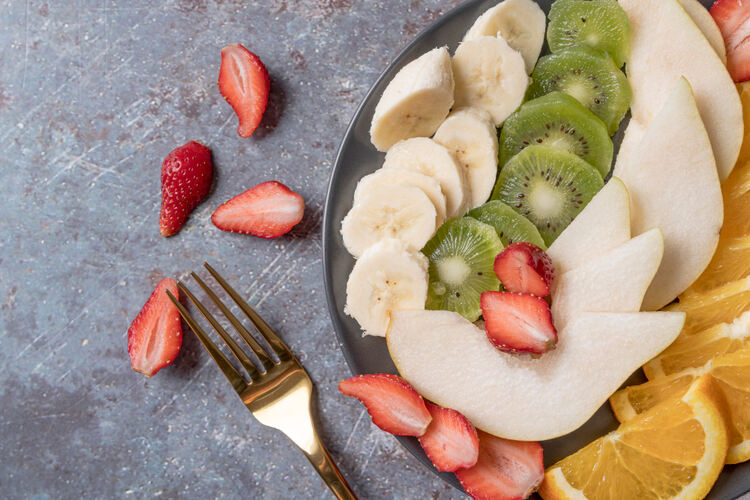
- Phase 2: Days 3–7 (Soft / Light Chewing). Easy-to-chew, protein-rich foods: scrambled eggs, oatmeal, soft pasta, cottage cheese, mashed banana or avocado, soft vegetables, flaky fish, shredded chicken, hummus.
- Phase 3: After 7–10 Days (Gradual Return to Solids). If pain-free, reintroduce softer solids first: tender meats (cut small), cooked rice, soft bread, steamed vegetables, soft fruits, eggs, pasta. A full diet is often tolerated around two weeks.
Don’t forget, solid foods are anything that needs real chewing and could irritate the extraction site.
Avoid Early On: Crunchy or hard foods, sticky or chewy items, spicy or acidic foods, very hot drinks, seeded/crumbly foods, alcohol, carbonated drinks, and straws.
If you’re in Canada, check out our guide on Canadian Foods After Extraction to know which foods are safe and support faster healing after your tooth extraction.
Essential Safety Tips & Complication Prevention
During the first week after a tooth extraction, protecting the surgical site is crucial to prevent dry socket, infection, or delayed healing. Preserve the blood clot during the first 24–72 hours by avoiding straws, smoking, vaping, forceful spitting, or vigorous rinsing (gentle sipping is fine). Ice packs (15–20 minutes on/off) and prescribed or over-the-counter pain medications help manage discomfort, and keeping your head elevated while sleeping can reduce swelling.
Note: According to Medical News Today, Dry socket most commonly develops within the first 3–5 days post-extraction, which is why protecting the blood clot and following a phased diet is crucial.
Skip brushing or flossing the extraction site for the first day, then rinse gently with warm saltwater 3–4 times daily and brush other teeth without touching the surgical area until it feels comfortable (usually 7–10 days). Chew on the opposite side, stay hydrated, and avoid very hot, spicy, acidic, or carbonated foods and drinks. Maintaining gentle oral hygiene, with guidance from a dental hygienist can reduce the risk of infection and promote faster recovery.
Watch for these warning signs requiring immediate attention:
- Severe or worsening pain 3–5 days after extraction (possible dry socket)
- Persistent or heavy bleeding beyond 24 hours
- Swelling that increases after day 3
- Fever, bad taste/odor, or pus from the site
- Difficulty opening your mouth or swallowing
If you notice these signs, contact an emergency dentist immediately to prevent further complications.
You may find useful: Managing Hypertension During Dental Extractions

Smooth Recovery for Returning to Solid Foods
Recovering after a tooth extraction takes patience and a phased approach. By following the timelines and food recommendations outlined here, you can safely progress to solid food after tooth extraction while minimizing pain, protecting the blood clot, and supporting faster healing. Listen to your body, chew on the opposite side, and avoid anything that might irritate the surgical site.
At Pape Dental Centre, our team specializes in extractions and post-operative care, providing expert guidance and support to ensure a safe, comfortable, and efficient recovery.
FAQ
Can I eat solid food 3 days after tooth extraction?
Possibly semi-solids (like soft pasta or eggs) if it’s a simple extraction and pain/swelling is minimal, but most experts recommend waiting 4–7 days for anything requiring real chewing to avoid complications.
How long should I stick to soft foods after wisdom teeth removal?
Usually 7–10 days for full solids, sometimes up to 2 weeks if surgical. Start semi-solids around day 3–5 only if comfortable; follow your oral surgeon’s advice closely.
What if I accidentally chew on the extraction side too soon?
Rinse gently with saltwater, apply ice, and monitor for increased pain/bleeding. Minor incidents often heal fine, but if symptoms worsen (especially dry socket signs), contact your dentist right away.
When is it safe to eat pizza, burgers, or crunchy foods again?
Generally after 10–14 days (or when the site feels normal and painless). Introduce gradually; start with soft versions and avoid anything very tough/crunchy for 2–3 weeks to be safe.
Have you recently had a tooth extraction? Share your experience or questions about returning to eating solid foods in the comments below!