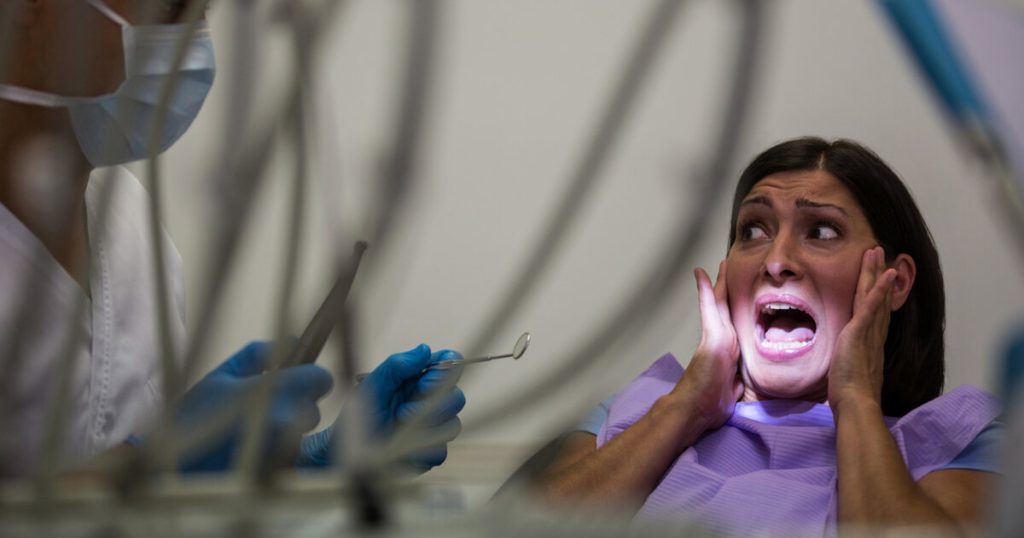

Going to the dentist shouldn’t feel scary, yet for many people it does. If dental visits make you anxious or afraid, you’re not weak, and you’re definitely not alone. Dental phobia is common, but it can be treated. From simple calming techniques to therapy and safe sedation options, there are effective ways to reduce fear. Visiting a trusted family dentistry practice can also make a big difference, providing a comfortable, supportive environment for patients of all ages.
In this article, we explain overcoming dental phobia in a clear, practical way and explore all available solutions to help you feel calm and confident at the dentist again.
A Quick Look at Dental Phobia
Dental phobia is a strong, persistent fear related to dental care that can push a person to delay or completely avoid treatment, even when they know it harms their health. Unlike everyday nerves, this fear feels overwhelming and hard to control.
Dental Phobia vs. Dental Anxiety. Many people feel uneasy before an appointment, but dental anxiety is usually manageable and does not fully stop care. Dental phobia is more intense and often tied to a deep fear of the dentist, not just a single procedure.
Note: Clinically, this fear can appear as Trait Anxiety (a long-term tendency to feel anxious about dental visits) or State Anxiety (a short-term surge of fear triggered by a specific moment, such as sitting in the chair or injection).
Common Causes. This fear often develops gradually and may stem from:
- Painful or frightening past dental experiences
- Hearing negative stories from others
- Feeling a loss of control or personal space during treatment
- Existing anxiety-related conditions that heighten stress responses
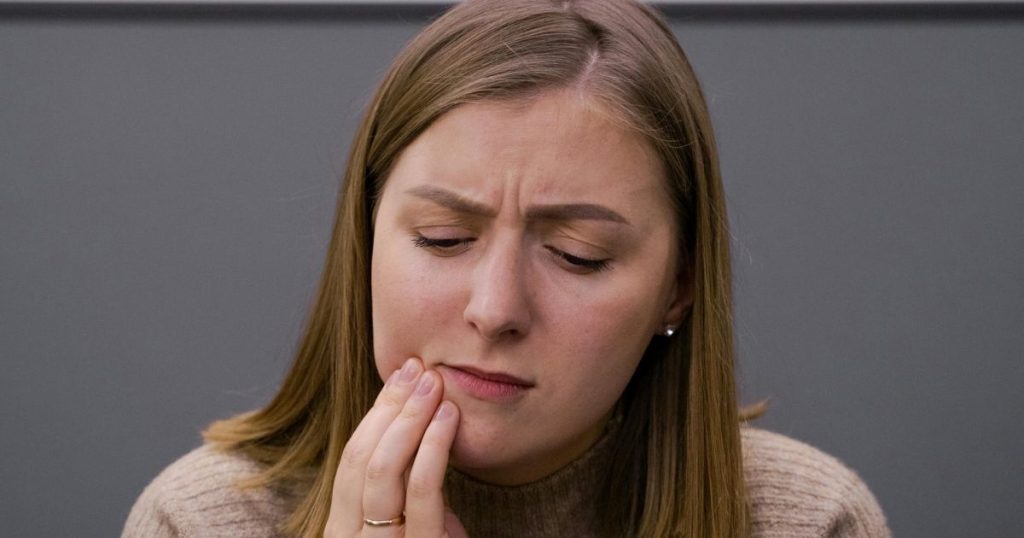
Common Signs. Dental phobia can show up both physically and emotionally, including rapid heartbeat, sweating, nausea, panic, or avoiding appointments altogether. Trouble sleeping before a visit is also common.
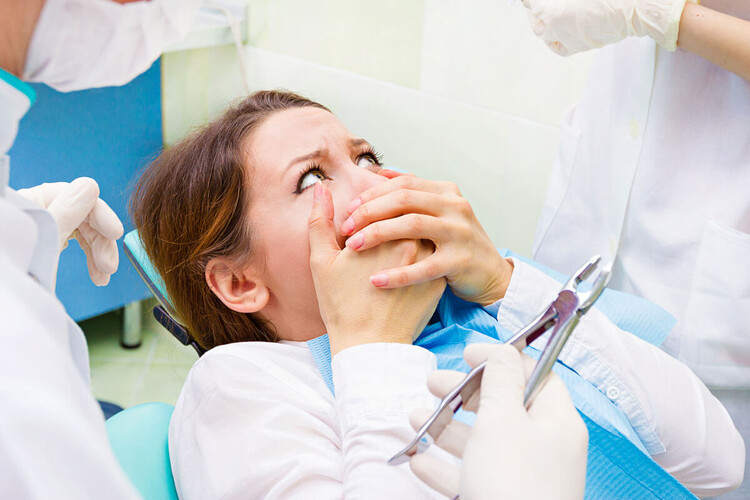
Consequences. Untreated fear can prevent regular oral care and delay necessary treatments, allowing minor issues to become serious dental problems. It may also disrupt procedures and reduce treatment success, which is why taking early steps, including regular check-ups and preventive dentistry, is essential to protect both your oral health and overall well-being.
Effective Strategies to Overcome Dental Phobia
You don’t have to live with dental phobia forever. Most people can successfully reduce their fear and feel more comfortable at the dentist. Managing dental anxiety often involves a mix of simple self-help techniques, better communication, psychological approaches, and professional options like sedation. The key is to start small and choose what works best for you.
Below, we’ll break down practical, proven strategies to help you take control and move toward fear-free dental care.
1. Professional Treatments for Dental Phobia
For many people, dental phobia can feel intense and hard to manage, but professional treatments are designed to make dental care calmer and more manageable. One of the most effective clinical approaches is sedation for dental anxiety. When used appropriately, sedation helps reduce fear, allows your body to relax, and makes it possible to complete dental treatment without emotional distress. The type of sedation can be adjusted based on how severe your anxiety is and what procedure is planned.
Evidence: According to NHS England’s guidelines, the most commonly used conscious sedation techniques have an excellent safety record and serve as a safe, acceptable alternative to general anaesthesia, enabling treatment in primary care for a wider group of anxious patients.
Below are the main professional solutions and sedation options, listed from the mildest to the most intensive:
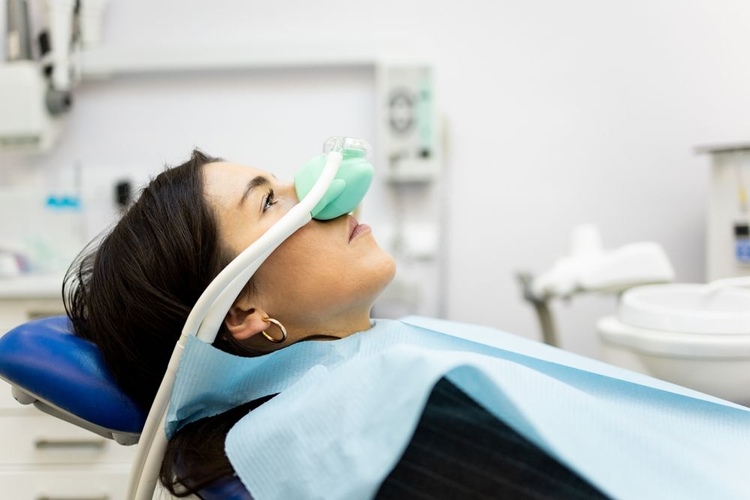
Nitrous Oxide Sedation (Laughing Gas / Relative Analgesia)
This is a widely used option for patients with mild to moderate anxiety, suitable for milder treatments such as dental fillings. You breathe a mixture of nitrous oxide and oxygen through a small mask placed over your nose. It creates a calm, pleasant sensation and works quickly. You remain awake, aware, and able to respond throughout the procedure. The effects wear off shortly after treatment, which makes it a safe and convenient choice offered by many dental clinics.
Oral Sedation (Anxiolytic Tablets)
With oral sedation, you take a prescribed tablet (such as temazepam) about one hour before your appointment. This produces mild to moderate relaxation while keeping you conscious. You may feel drowsy and less alert, but you can still follow instructions. This method is often used for patients who need extra support to feel comfortable during treatments like root canal.
IV Sedation (Intravenous Conscious Sedation)
IV sedation delivers medication directly into a vein, creating a deeper level of relaxation sometimes referred to as “twilight sedation.” You may feel very sleepy or lightly asleep, but you are still able to respond when spoken to. This option is suitable for severe anxiety or more complex treatments like dental implants, and must be provided by a dentist or sedationist with specific training and certification.
General Anesthesia
General anesthesia is reserved for extreme cases or complex oral surgeries. You are fully unconscious, and treatment is usually carried out in a hospital or specialist facility with an anesthetist present. Although effective, it involves longer recovery time and does not help build coping skills, so it is typically considered a last resort and combined with other long-term management strategies.
Note: To select the safest and most appropriate option, dentists often use assessment tools such as the Modified Dental Anxiety Scale. Your medical history will also be reviewed carefully, and in most cases, you will need someone to drive you home after sedation. With the right professional support, managing dental phobia and receiving consistent dental care becomes much more achievable.
You may find useful: Same-Day Extraction for Infected Teeth: What to Expect
Fear Less, Smile More!
Don’t let dental fear hold you back. Overcoming dental phobia is possible with the right support, techniques, and treatment options.
Trust your smile to Pape Dental Centre and take the first step toward stress‑free dentistry today.
2. Self-Help and Preparation Tips for Managing Dental Fear
You can start managing your fear of the dentist at home with simple, practical techniques that help calm both body and mind. Practicing these strategies regularly can make dental visits less stressful and more manageable.
- Deep Breathing: Inhale slowly through your nose for four counts, hold for four, and exhale through your mouth. Doing this before or during your appointment helps reduce stress and increases a sense of control.
- Progressive Muscle Relaxation: Tense and then relax different muscle groups from your toes to your head. This eases physical tension and promotes calmness.
- Guided Imagery: Close your eyes and imagine a peaceful place, focusing on sights, sounds, and smells. This shifts attention away from the dental setting and creates relaxation.
- Distraction: Bring headphones for music, podcasts, or audiobooks. Watching TV or videos at the clinic can also help take your mind off the procedure.
- Positive Preparation: Arrive early, think of the visit as a step toward better health, and reward yourself afterward. Gradually facing dental visits, starting with simple check-ups, builds confidence over time.
- Additional Comforts: Weighted blankets, regular meditation, or other familiar calming routines can further help manage anxiety triggers and make dental visits more comfortable.

3. Building Communication and Support
Talking openly about your dental fears and getting support can make visits much easier. Share your anxiety with your dentist so they can explain procedures, offer breaks, and accommodate your needs. Use a hand signal to pause if overwhelmed, and consider bringing a trusted friend for emotional support. Choosing a patient and understanding dental hygienist can help even more. Open communication and support build trust, reduce fear, and make dental care more comfortable over time.
4. Non-Pharmacological Therapies
For longer-term relief from dental phobia, non-pharmacological therapies focus on changing how you think and feel about dental visits without relying on medication. The most effective and widely recommended approach is Cognitive Behavioral Therapy (CBT), which helps you identify and challenge negative thoughts about dentistry, replacing them with more realistic and positive ones.
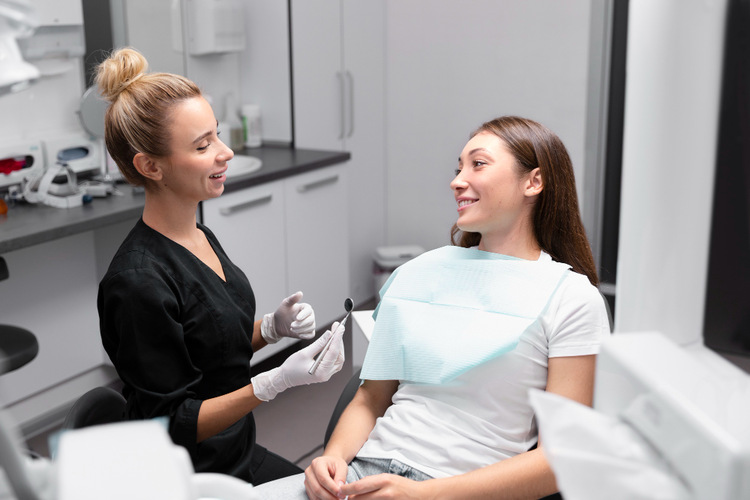
Another helpful method is gradual exposure therapy, where you slowly face your fears in a controlled way; starting with just thinking about a visit, then booking a simple check-up or oral examination, and progressing to more involved procedures. When combined with relaxation techniques and supportive communication, these therapies empower you to manage and often overcome dental phobia entirely.
When to Seek Professional Help
If your dental phobia is too strong to manage alone, it’s time to get professional support. Signs include frequent cancellations, severe anxiety or physical symptoms, and failure of relaxation techniques. Start by talking to your dentist, who can offer guidance, refer you to a sedation specialist, or recommend cognitive-behavioral therapy. A quick assessment with the Modified Dental Anxiety Scale (MDAS) can help determine the level of support you need.
Note: Learning about the consequences of delaying dental treatment can help shift your perspective. In many cases, the risks of avoiding care are far more serious than the treatment itself. To understand this better, take a look at What Happens After Skipping Dental Cleaning?
Your Path to Fear-Free Dental Visits
Dental phobia is common but treatable. By understanding your fear, practicing simple relaxation techniques, communicating openly with your dentist, and using therapies or sedation when needed, you can break the cycle of avoidance and maintain regular, comfortable dental care.
At Pape Dental Centre, our patient-focused team offers gentle techniques, sedation options, and a calming environment to make every visit easier. Take the first step toward fear-free dental care; book your appointment today and regain confidence in your smile.
FAQ
Is dental phobia treatable?
Yes, dental phobia is highly treatable with techniques like relaxation exercises, CBT, open communication with your dentist, and sedation options, leading to improved oral health and reduced avoidance.
What is the best way to overcome fear of the dentist?
Overcoming dental fear may involve communication, relaxation techniques, gradual visits, or sedation options. But the best approach for you depends on your anxiety level and should be determined with your dentist’s professional assessment.
Is sedation safe for dental anxiety?
Yes, options like nitrous oxide (laughing gas) or oral sedatives are safe when administered by trained professionals, providing relaxation without full unconsciousness and quick recovery.
How can I reduce anxiety before a dental appointment?
Practice deep breathing or guided imagery, arrive early to relax, listen to music, agree on a stop signal with your dentist, and bring a supportive friend for comfort.
Will the dentist judge me for my dental anxiety or poor teeth?
No, dentists are experienced with anxious patients and focus on helping without judgment; sharing your fears allows them to tailor care and build trust effectively.
Can cognitive behavioral therapy (CBT) help with dental phobia?
Yes, CBT is an evidence-based approach that changes negative thoughts and behaviors around dental visits, often for long-term reduction of phobia.
Have you ever felt nervous or anxious about visiting the dentist? Share your experiences, questions, or tips for managing dental fear in the comments below.