
Worried that hypertension during dental extractions might make getting a painful tooth removed unsafe? Many patients face the same concern, but the reality is that tooth extraction can be safely performed when blood pressure is properly monitored and managed.
In this guide, you’ll learn what your dentist monitors, what steps you need to take at home, and how to ensure your procedure goes smoothly from start to finish. By understanding the process, you can take control and get the care you need without unnecessary risk.
Why Blood Pressure Matters Before Tooth Extraction
Uncontrolled hypertension during dental extractions dramatically raises risks. Elevated blood pressure (BP) increases bleeding, triggers heart strain, and can cause sudden spikes from stress or epinephrine in local anesthesia.
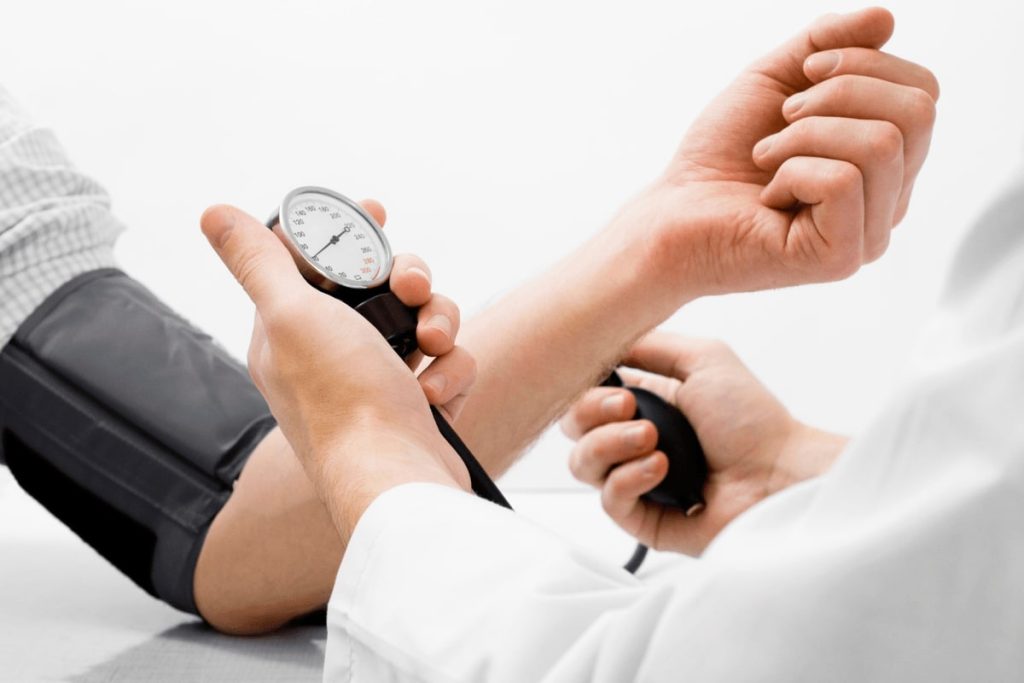
Checking BP isn’t optional; it’s the first line of defense. All reputable clinics mandate screening in their oral examinations to prevent intraoperative emergencies. Even in well-managed patients, blood pressure can rise significantly from anxiety alone. Early detection lets us act safely, protecting both heart and mouth.
Key Note: Kidney disease, diabetes, sleep apnea, hyperthyroidism, and severe obesity increase hypertension risk 2–5 times. Flagging these early is critical before any dental procedure like same-day tooth extraction.

The 3-Zone Decision Tree For Your Hypertension
According to the ADA’s guidelines on hypertension, one quick blood pressure reading in the chair decides everything. These guidelines simplify management into three color-coded zones based on your in-office BP. This evidence-based framework tells the dentist and you whether to extract today, add safeguards, or postpone it for medical control.
This table briefly shows how in-office blood pressure readings guide both the dentist’s decisions and your actions:
| Zone | BP Range (mm Hg) (systolic/diastolic ) | Dentist Decision | Patient Action |
| Green | <160/100 | Proceed normally | Take meds, stay calm |
| Yellow | 160–179/100–109 | Extract with caution; morning appointment, mild sedation, limited epinephrine | 3-day home BP log, avoid salt/caffeine |
| Red | ≥180/110 | Stop extraction; refer to Medical doctor | See physician within 48 h, bring BP diary |
In the following sections, we’ll take a closer look at each of these three zones and explain the key precautions and management tips for every stage.
Green Zone; Safe to Extract (<160/100)
Your blood pressure is under control (below 160/100), so we can proceed with the extraction safely and routinely. The dental team first checks your blood pressure in both arms and uses the higher number as a reference. Standard local anesthesia is given (up to two carpules with epinephrine, injected slowly) to keep everything stable. During the procedure, we’ll keep an eye on you, especially if you’re feeling nervous or tense.
Before your visit, take your morning blood pressure medication with a small sip of water. Have a light meal so you don’t come on an empty stomach, and arrive about 15 minutes early to sit calmly before the procedure starts. As part of the preventive dentistry approach, dentists encourage every patient to maintain routine check-ups and share their medical history to prevent unnecessary risks during extractions.
Important: Let your dentist know if you missed any medication or if you’re not feeling quite yourself today.
Yellow Zone; Extract with Caution (160–179/100–109)
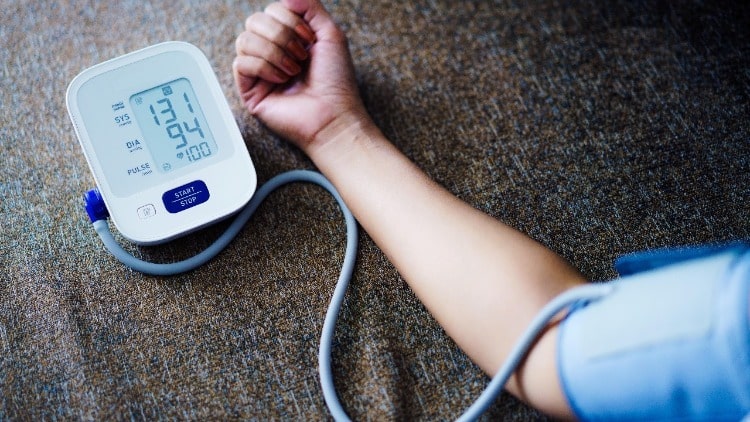
Careful management of hypertension during dental extractions is essential when your blood pressure is higher than ideal but not dangerously so. We don’t have to cancel your extraction, but we also won’t treat it as a routine case. A reading between 160–179 systolic or 100–109 diastolic means your heart and blood vessels are under extra pressure, so even small stressors like dental anxiety or the numbing injection can push your BP higher. That’s why we take extra precautions in the oral surgery to keep everything calm, controlled, and safe from start to finish.
What dental team do:
- They usually schedule you in the morning, when your body’s blood pressure is naturally lower and your medication is working at its best.
- To reduce anxiety, They may use nitrous oxide (laughing gas) or a very mild sedative taken about 30 minutes before you arrive.
- Local anesthesia is given slowly and carefully, with a small amount of epinephrine to keep you comfortable without affecting your heart rate.
- Throughout the procedure, your blood pressure is checked every few minutes, and if it rises too high, They pause immediately.
- To prevent bleeding afterward, they often use a hemostatic dressing such as gauze soaked in tranexamic acid or a small gelatin sponge.
- For pain control, acetaminophen is preferred over NSAIDs, which can interfere with blood pressure medications.
What you need to do:
- Keep a 3-day home blood pressure log (morning and evening) and bring the readings with you.
- Avoid caffeine, nicotine, and salty foods for 24 hours before your visit.
- Make sure you’ve taken all your blood pressure medications in the last 48 hours.
- Eat a light, low-sodium breakfast before coming in.
- If you’re taking oral sedation, arrive 30 minutes early and have someone drive you home.
- Wear a short-sleeve shirt so we can easily check your BP during the visit.
If everything stays stable, we can complete the extraction safely in one visit. And if your blood pressure starts to climb, we’ll finish only what’s safe and make sure you leave in good shape; no stress, no complications.
Our guide on tooth extraction pain offers practical tips for managing discomfort and anxiety, even when blood pressure is a concern.

Take Control of Your Tooth Extractions with High Blood Pressure
At Pape Dental, we provide safe, personalized care for patients managing hypertension, from careful monitoring to expert oral surgery techniques.
Book a consultation today and learn how to have your tooth extracted safely and confidently.
Red Zone; Stop Extraction (≥180/110)
If your blood pressure is 180/110 or higher, we don’t proceed with the extraction; no injection, no treatment, no exceptions. At this level, your cardiovascular system is under serious strain, and any stress or local anesthesia could trigger a stroke, heart attack, or uncontrolled bleeding. In this situation, hypertension during dental extractions would almost certainly cause complications, so our priority is your safety before anything else.
If you have severe tooth pain while your blood pressure is still high, an emergency dentist can guide you safely, manage your pain, and help plan your treatment when it’s medically safe.
What dental team do:
They stop the procedure immediately, explain the risks, and give you a referral note to your physician along with a blood pressure diary to record your readings. Treatment will only be rescheduled once your blood pressure has been consistently below 160/100 for at least a week and your doctor confirms it’s safe to continue.
What you need to do:
After leaving the clinic, you should see your doctor within 48 hours for medication adjustment or further evaluation. Start monitoring your blood pressure twice a day (morning and evening) and share those readings with both your doctor and our office. Until your blood pressure is stabilized, avoid alcohol, NSAIDs, and over-the-counter decongestants, as these can raise your BP even more. Once your numbers are under control, we’ll safely complete the dental treatment without unnecessary risks.
Note: Your dentist and physician may coordinate care, especially when reviewing prescription medications that can influence blood pressure control.

Post-Extraction Care For Managing Hypertension
After managing hypertension during dental extraction, keeping your blood pressure steady is just as important as the procedure itself. BP can rise later because of pain or missed medication, so follow these basics.
Rest. Rest for 48 hours. Avoid exercise, heavy lifting, or bending over to prevent blood pressure spikes.
Pain Control. Avoid NSAIDs because they can raise BP and increase bleeding. Use acetaminophen only (up to 3,000 mg per day unless your doctor says otherwise). If pain is stronger, a short course of stronger medication may be prescribed. Use ice packs 10 minutes on, 10 minutes off.
Bleeding. High BP can make bleeding last longer. Bite firmly on gauze for a full hour and don’t rinse, spit, or use straws for the first 24 hours. If bleeding continues after two hours of pressure, return to the clinic.
Check your BP twice daily for three days, and contact us if it goes above 160/100. Your dentist will also follow up with you at 48 hours.
You may find useful: 11 Daily Oral Care Habits Recommended by Dental Hygienists
Mind Your Hypertension to Have a Safe Extraction
Having hypertension doesn’t mean you can’t get dental treatment; it just calls for careful planning. By assessing your blood pressure, the dental team can decide the safest approach for your extraction while keeping you comfortable and protected. Your cooperation, such as taking medications and keeping track of your readings, plays an important part in a smooth and safe procedure.
For expert care in managing hypertension during dental extractions, Pape Dental provides professional, evidence-based services designed to keep both your teeth and your heart safe. Our team combines clinical expertise with careful monitoring to deliver dental extractions that are as safe and stress-free as possible.
FAQ
Why do dentists take blood pressure before pulling a tooth?
High BP raises risks of bleeding, stroke, or heart events. One quick reading tells us if it’s safe to proceed or if we need precautions.
Are there specific conditions that increase the risk of hypertension?
Yes; kidney disease, diabetes, sleep apnea, hyperthyroidism, and severe obesity raise hypertension risk 2–5 times. These require tighter pre-dental BP control.
What happens if my blood pressure spikes during the extraction?
We stop immediately, monitor you, and apply calming measures. If it stays above 180/110, we finish quickly, suture tightly, and schedule a follow-up.
Is epinephrine in anesthesia safe with high blood pressure during extraction?
Yes, in controlled doses; maximum 0.036 mg (one carpule) with slow injection and aspiration. We only use it in Green or Yellow Zones.
What should I do at home before a dental extraction with hypertension?
Take your meds, log BP twice daily for 3 days, skip caffeine/salt, eat a light low-sodium breakfast, and arrive calm and early.
Have you experienced challenges with high blood pressure during dental procedures? Share your thoughts and questions in the comments below; we’d love to hear from you!